
It was a quiet Sunday morning when I stepped into my bathroom and was hit by the dull, yellow tinge invading my once crisp white shower grout. That sinking feeling of realizing your pristine space is slowly losing its luster is all too familiar. I remember thinking, “How did this happen so fast? And more importantly, how can I fix it without gutting my entire shower?” It was a lightbulb moment—I’ve been neglecting my grout, and now, it’s paying the price. If you’re tired of looking at stubborn stains and want your bathroom to sparkle again, you’re in the right place. Today, I’ll share my tried-and-true, professional-grade tips for restoring that bright, clean look you love.
Why Yellowing Grout Ruins Your Bathroom’s Vibe
Over time, especially in bathrooms with constant humidity, grout can develop that unappealing yellowish hue. This discoloration isn’t just unsightly; it can also harbor mold and mildew, impacting your home’s hygiene and your own peace of mind. Many homeowners think scrubbing with standard cleansers does the trick, but often, it only scratches the surface. The truth is, deep stains and discoloration need more targeted, professional approaches to truly disappear. Plus, with the right methods, you can prolong the lifespan of your grout and maintain your bathroom’s fresh appearance for longer. It’s worth noting that poor maintenance habits early on can lead to more costly repairs later, so catching these issues now is key. If you’ve faced this problem firsthand, you know how stubborn these stains can be—like trying to erase a permanent marker with a damp cloth.
Is DIY Grout Whitening Actually Effective or a Waste of Time?
I used to make the mistake of just relying on organic cleaners, thinking they were enough to keep my grout white. Spoiler: they weren’t. The initial brightening was temporary, and the stains would come right back. It took some research—and a few costly experiments—to realize that professional-grade solutions yield lasting results. Did you know that some over-the-counter solutions can actually damage your grout if used improperly? That’s why understanding what works—and what doesn’t—is crucial. To ensure you’re not wasting effort or making things worse, I’ll guide you through the most effective methods, backed by expert insights, so you can restore your shower grout confidently.
Prep Your Workspace for Success
Start by thoroughly removing any loose debris from your grout lines using a soft brush or vacuum. Protect surrounding surfaces with plastic sheeting or painter’s tape because harsh chemicals can damage finishes if splashed. I once neglected this step and ended up cleaning dried grout residue off my tiles for hours—a lesson in preparation that saved me time later. Clear your workspace and gather all necessary tools to streamline the process, ensuring you stay organized and avoid unnecessary messes.
Choose the Right Cleaning Solution
Opt for a professional-grade grout cleaner that contains hydrogen peroxide or a specialized grout brightening formula—these are far more effective than DIY mixes like baking soda or vinegar. Avoid abrasive cleaners, which can erode the grout surface over time. I recall using a store-bought cleaning agent without checking the label; the chemical was too aggressive and discolored my grout further. Reading instructions carefully guarantees the best results and preserves your grout’s integrity.
Apply the Cleaner with Precision
Use a small, stiff-bristled brush or an old toothbrush dipped in the cleaner to target stained areas. Work in small sections to focus the cleaner’s action, ensuring it doesn’t dry out or cause uneven coloring. For stubborn stains, I found that letting the solution sit for 10–15 minutes enhances its effectiveness — similar to letting paint dry partially before applying a second coat for uniformity. Be meticulous around corners and edges for a uniform appearance.
Scrubbing and Rinsing Technique
Scrub vigorously — but not aggressively — to lift stains from the porous grout surface. Think of it like polishing a shoe: firm, controlled strokes remove grime without damaging the material. After scrubbing, rinse thoroughly with warm water to wash away loosened dirt and chemical residue. Using a spray bottle of clean water minimizes mess and helps you control coverage. I once rinsed with a damp cloth and realized too late that streaks remained; a sprayer made the rinsing process much more controlled and thorough.
Timely Sealing for Long-Term Protection
Once your grout is pristine and dried, apply a high-quality grout sealer. This acts as a waterproof barrier, preventing future stains and discoloration. Use a sealer with a silicon or polymer base, and apply evenly with a foam brush or applicator sponge. I learned this step the hard way after attempting to clean my grout repeatedly, only for stains to reappear within weeks—sealing locks in your hard work and extends the life of your grout. Regular reapplication every 1–2 years ensures ongoing protection.
Maintaining Your Results Long-Term
Establish a routine cleaning schedule, focusing on weekly wipe-downs and quick spot cleans for spills. Keep humidity levels in check by improving bathroom ventilation—install an extractor fan if necessary—as excess moisture accelerates grout discoloration. Also, avoid harsh chemical sprays near your grout lines to prevent degradation, and opt for gentle, pH-neutral cleaners. Remember, consistent care beats infrequent, aggressive cleaning sessions.
For a deeper understanding of maintaining various flooring types and ensuring their longevity, explore trusted laminate flooring maintenance tips and other expert care guides. Proper maintenance now saves you from costly repairs later, keeping your bathroom looking brand new year after year.
<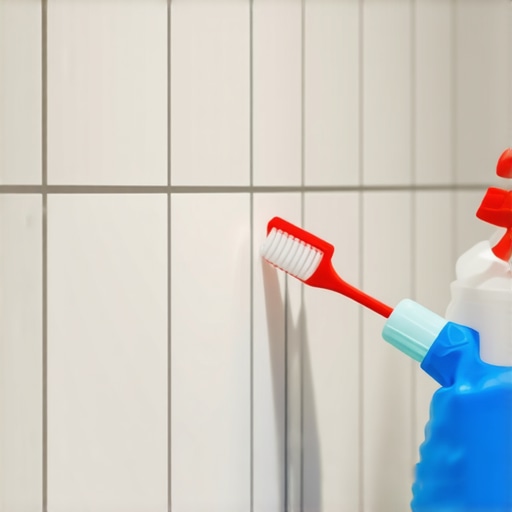 >When it comes to maintaining showers, hardwood floors, laminate, and grout, many homeowners fall prey to common misconceptions that can lead to costly mistakes. While surface cleaning might seem sufficient, the reality is far more nuanced. For instance, a widespread myth suggests that regular bleach cleaning keeps grout pristine forever. In truth, frequent use of harsh chemicals can degrade grout seals over time, making it more porous and susceptible to staining. Experts recommend gentle, pH-neutral cleaners combined with periodic sealing to preserve longevity, as detailed in trusted maintenance guides. Furthermore, many assume that hardwood flooring is always delicate and prone to water damage, but modern engineered hardwoods with robust sealing can withstand daily moisture if properly cared for—an advanced insight supported by recent studies on durable flooring options. A particular trap to avoid involves thinking laminate floors are completely waterproof; in reality, water trapped between the planks can cause warping and mold growth. Proper installation with adequate vapor barriers and prompt spill cleanup are critical. One often overlooked aspect is the importance of understanding the material’s breathability. For example, some believe sealing grout indefinitely prevents stains, but over-sealing can trap moisture, leading to mold beneath the surface—a serious issue that expert sources highlight. Have you ever fallen into this trap? Let me know in the comments. These nuances emphasize the need for tailored approaches rather than one-size-fits-all solutions, ensuring your investment lasts. For more in-depth strategies, explore comprehensive guides on trusted hardwood-laminate floor maintenance or effective grout cleaning tips that focus on long-term results.Achieving durable, professional results in bathroom flooring and grout maintenance demands the right tools and methods. Personally, I rely on a high-torque oscillating multi-tool equipped with a grout removal attachment to efficiently strip old, damaged grout before applying fresh sealants. Its versatility allows precise removal around shower corners or uneven surfaces, saving both time and effort. For deep cleaning, a steam cleaner has become indispensable—I use a commercial-grade model that can reach high temperatures and pressure, effectively killing mold spores and loosening embedded stains without harsh chemicals. This approach not only deep-clean’s the grout but also prepares it for sealing, which is crucial for long-term protection. Moving forward, the trend in maintenance points toward smart, sensor-activated solutions—imagine using IoT-enabled sealant dispensers that monitor humidity levels and notify you when it’s time to reapply a sealer, ensuring bathrooms stay pristine for years.
How do I maintain my bathroom floor and grout over time?
Regular inspection is key. I schedule biannual deep cleans using my steam cleaner and reapply grout sealer every 1–2 years, depending on usage. Upgrading to a professional-grade sealer with nanotechnology properties significantly enhances water repellency and stain resistance. When scaling these efforts, investing in durable, high-quality tools pays dividends. For example, I recommend using the Dremel Multi-Max oscillating tool with a tungsten carbide grout removal attachment for tough spots; this exact model has been reviewed positively by trade professionals for its reliability. Consistent maintenance is future-proofing your space; it reduces the need for costly repairs and keeps your bathroom looking like new. To explore deeper strategies for flooring longevity, check out trusted laminate flooring maintenance tips. Adopting these advanced tools and methods can revolutionize your cleaning routine—try integrating a high-performance steam cleaner into your next project for visible results.
The Hardest Lessons I Learned About Shower Grout and Hardwood Floors
One pivotal moment for me was realizing that deep stains and discoloration didn’t respond to surface cleaning alone. I learned that patience and proper chemical selection are key; rushing with harsh cleaners only worsened the problem. Additionally, I discovered that sealing grout isn’t a one-and-done task—regular reapplications are essential for lasting durability. Lastly, I found that understanding the material’s unique needs prevents costly mistakes and extends the life of my floors and grout lines.
My Tools for Lasting Bathroom Beauty
If I could recommend just a few tools, they’d be a quality steam cleaner for deep cleaning, a precision grout removal tool like the Dremel Multi-Max, and a nanotech-enhanced grout sealer. These tools have transformed my maintenance routine—they’re reliable, effective, and user-friendly. You can explore trusted guides and reviews to find tools that suit your space, simplifying your journey toward a pristine bathroom.
Your Journey Starts Now — Keep Your Floors and Grout Shining
Don’t let stubborn stains and faded grout dampen your bathroom’s appeal. With the right knowledge, tools, and a bit of patience, you can restore and maintain your floors for years to come. Remember, beautiful, durable floors are within your reach—each step you take today brings you closer to that goal. Have you tried any of these techniques before? Share your experiences below and inspire others to elevate their home care.
Reading this post really highlighted how important proper maintenance and professional-grade cleaning solutions are for stubborn grout stains. I used to rely solely on vinegar and baking soda, thinking they would be enough to keep my shower looking bright. However, I found that after a while, the stains would just come back, no matter how much I scrubbed. I finally decided to invest in a professional grout cleaner and a steam cleaner for deep cleaning, which made a noticeable difference. The tricky part I faced was knowing when to reseal the grout—some guides suggest every year, but I find every 18 months works better for my bathroom because of the humidity. For anyone dealing with persistent discoloration, what’s your experience with sealing frequency? Do you notice a big difference in stain resistance after sealing, or is it more about maintaining a routine cleaning schedule? I’d love to hear tips from others who have mastered the perfect upkeep routine.