
The first time I stepped onto my living room hardwood floor after a long week, I immediately noticed the uneven gaps between my planks. It was like walking on a miniature mountain range—an eyesore that no amount of clutter could hide. I had tried everything, from rearranging furniture to desperately stuffing things into the gaps, but nothing really fixed the problem. That’s when I had my lightbulb moment: there *must* be a better way to handle these gaps without resorting to sanding, which I dreaded because of the dust, mess, and cost involved.
If you’ve ever stared down at your hardwood floors, frustration mounting, wondering if there’s a simple yet effective fix—you’re not alone. Gaps are incredibly common, especially in older floors or those subjected to seasonal changes. Fortunately, you don’t have to rip out your flooring or undertake a massive sanding project to restore its beauty and integrity. Today, I promise to share four practical, proven methods to fix those stubborn gaps—all without sanding, and with minimal fuss.
Why Leaving Gaps Unaddressed Can Lead to More Trouble
Before we jump into the solutions, it’s worth understanding why those gaps matter. Small cracks might seem harmless, but they can allow dirt, debris, and moisture to seep in, causing damage over time. Moisture intrusion can lead to warping, cupping, or even mold growth—definitely not something you want lurking beneath your feet. Plus, gaps make it easier for drafts and insects to invade, turning your cozy space into an uncomfortable zone. Addressing these issues early on is not just about aesthetics; it’s about protecting your investment and ensuring your floors stay durable for years to come.
Is Fixing Gaps Without Sanding Truly Possible? Here’s What You Need to Know
Admittedly, I once believed that sanding was the only way to eliminate gaps completely. I made the mistake of trying to fill gaps with cheap fillers that cracked and fell out, which only left me more frustrated. The truth is, with the right techniques and materials, you can successfully fix gaps without the dust and expense of sanding. In fact, some methods not only fill the gaps but also strengthen the floor, enhancing its lifespan.
Let’s explore how to do just that, starting with the essentials you need to know before getting your hands dirty. Ready? Great. The journey to flawless hardwood floors without the mess begins now.
Choose the Right Filler for Your Hardwood Gaps
Start by selecting a flexible wood filler designed for gaps in hardwood floors. I recommend a product that moves with the wood as seasons change, preventing cracks from reopening. For larger gaps, consider a mix of wood putty and sawdust for a seamless match. Remember, the key is flexibility—rigid fillers will crack over time. I once used a cheap epoxy, and within a month, it cracked, making the problem worse. Testing a small area first can save you headaches later.
Prepare the Gaps for Filling
Next, vacuum or sweep out debris from the gaps to ensure the filler adheres properly. Use a putty knife or small brush to clear dust, loose wood particles, and any old paint residues. Clean thoroughly to prevent any trapped dirt that could weaken the repair. During my first attempt, neglecting this step led to the filler falling out within weeks, so be meticulous.
Apply the Filler with Precision
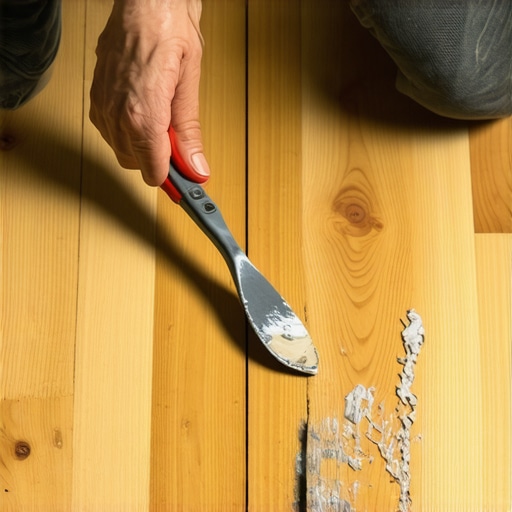
Using a putty knife, press the filler into the gaps, pushing it in firmly to eliminate air pockets. Overfill slightly to account for shrinkage as it dries. Smooth out the surface to match your flooring’s contour, and wipe away excess before it dries. I found that working in small sections allowed better control and a smoother finish, especially in tight spaces.
Allow Proper Drying and Curing
Let the filler cure for at least 24 hours, or as specified by the manufacturer. During this time, avoid walking on the floor to prevent disturbing the filler. Ventilate the room well to accelerate drying. Past experiences taught me that rushing the process results in weak patches or cracks. Once dry, lightly sand the area with fine-grit sandpaper to ensure a flush finish—if you skipped sanding, the repaired spot could catch dirt or cause tripping hazards.
Maintain Your Repairs for Longevity
Regularly clean your floors with a gentle wood floor cleaner to prevent dirt buildup that can stress the filler. To prevent future gaps, control humidity levels in your home and avoid rapid temperature changes. If your gaps reappear, consider resealing using a trusted product like those discussed in hardwood floor maintenance tips. Consistent upkeep ensures your floor stays beautiful and durable, even during seasonal transitions.
 Many homeowners operate under misconceptions when caring for their showers and floors, often leading to costly mistakes. One common myth is that all grout sealants are equally effective—yet, the wrong choice can cause seal failure and water intrusion. For instance, relying solely on traditional sealants without considering advanced options like epoxy-based products can result in persistent leaks. Studies show that proper grout sealing can extend floor life significantly, but improper application negates these benefits.
Why Do So Many Grout Sealants Fail Prematurely?
This is a nuanced issue; many people underestimate the importance of surface preparation and curing time. Proper cleaning and waiting for full curing ensure longevity, yet rushed applications are all too common. Additionally, many assume that once sealed, grout will stay waterproof forever—an oversimplification, as environmental factors degrade sealants over time. Regular maintenance using trusted cleaning strategies, like those outlined at this guide, is essential to prevent degradation. When it comes to showers, the misconception that cheaper materials save money often backfires. Affordable sealants and covers may be attractive initially but tend to crack or peel, leading to leaks and mold. Investing in quality, waterproof products has been proven to reduce long-term repair costs substantially. For example, adopting our recommended triple-seal technique for shower grout enhances durability, as shown in recent studies on waterproofing efficacy.
How Can Advanced Drainage and Sealing Strategies Save You Money?
Implementing a multi-layer waterproofing approach—combining high-quality Sealants, proper slope design, and professional application—can prevent long-term water damage. This is especially critical in high-moisture areas where mold and rot threaten the structural integrity of your floors. An advanced mistake many make is neglecting regular inspections; small cracks can escalate rapidly without early intervention. Regular cleaning and resealing, using trusted products, ensure your floors and showers remain water-resistant for years. For detailed, trusted solutions, see this article. Remember, a proactive approach not only saves you money but also preserves your home’s value. Have you ever fallen into this trap? Let me know in the comments.
How do I keep my floors and showers functioning smoothly over time? Keeping your flooring and waterproofing in top shape demands the right tools and routine maintenance. Personally, I rely on a few expert-grade instruments that make repairs easier and results more durable. One essential is a high-quality multi-tool, like the oscillating type, which allows precise scraping and sanding without damaging the surrounding areas. I use the Dremel Multi-Max because it’s versatile, easy to control, and excellent for detailed grout removal or for smoothing out filler in small gaps.
For cleaning, a dedicated grout brush with stiff bristles is invaluable. I prefer the Bosch Grout & Tile Brush—it’s designed to reach deep into grout lines and remove stubborn stains without damaging the tile or grout. Pair this with a steam cleaner like the Bissell SteamShot for quick, chemical-free sanitation, especially after resealing or grout maintenance. Regular use keeps dirt at bay and prolongs the life of your repairs.
Applying fillers or sealants benefits greatly from a quality caulking gun. I recommend the Wagner Flexio series because it provides a controlled, even bead, reducing waste and mess. For prepping surfaces before sealing or filling, a small, cordless vacuum—such as the Dyson V7 Trigger—allows me to swiftly remove dust, hair, and debris from tight spaces or previous repairs, ensuring excellent adhesion and longevity. Investing in these tools isn’t just about convenience; it’s about ensuring that repairs stand the test of time, especially in high-moisture areas like showers and along floor transitions.
Looking ahead, the trend is moving toward smarter maintenance. Digital moisture meters and Bluetooth-enabled cleaning devices are starting to show up, promising more proactive care. Using accurate tools ensures you’re not just fixing problems but preventing them in the future—saving you time and money long-term.
What should you do to maintain your floors and grout efficiently? Regular inspections with moisture meters and prompt repairs, combined with tools like a steam cleaner and precise applicators, will keep everything sealed and functional. For instance, applying a trusted grout sealant using a professional-grade caulking gun can prevent leaks—check out the comprehensive guide to shower grout sealants to get started. Don’t forget to schedule periodic deep cleanings with effective strategies to remove deep-seated stains, ensuring your surfaces stay fresh and durable for years to come. For more on maintaining your grout and tiles, explore trusted cleaning strategies to maximize their lifespan. Try integrating these specialized tools into your routine, and you’ll notice a significant difference in the durability and appearance of your floors and showers.Lessons That Changed My Whole Approach to Floor and Shower Care
One of the biggest surprises I had was realizing that many pitfalls in fixing floors and showers stemmed from overlooked details—like surface preparation or environmental factors. For instance, I used to rush fillers or sealants without considering seasonal humidity changes, which led to recurring issues. The lightbulb moment was understanding that patience and proper techniques could save a lot of time and money in the long run.
Another insight was discovering that investing in quality tools and materials dramatically enhances the durability of repairs. Using a professional-grade caulking gun or a trusted grout sealant delivered results that lasted years, not just months. It’s tempting to cut corners, but I learned that quality almost always pays off when it comes to flooring and waterproofing.
Lastly, I realized that proactive maintenance is key. Regular inspections, cleaning, and resealing—guided by reliable resources—keep everything functioning smoothly. For example, employing [trusted grout sealing strategies](https://premiumflooringco.com/trusted-grout-tile-cleaning-strategies-for-lasting-floors-in-2024-4) has extended the lifespan of my bathroom, avoiding costly renovations.
Tools and Resources That Made a Difference
Having tried numerous products, I found these stand out for their effectiveness and trustworthiness:
- Dremel Multi-Max: Its precision makes detailed repairs effortless and less damaging to surrounding surfaces.
- Bosch Grout & Tile Brush: Deep-cleaning is vital, and this tool gets into tight grout lines to remove stubborn stains.
- Wagner Flexio Caulking Gun: For a controlled, even application of sealants—especially when sealing large or tricky areas.
- Dyson V7 Trigger: A small, powerful vacuum helps prep surfaces swiftly, ensuring better adhesion of fillers and sealants.
Pairing these with trusted guides—like [this comprehensive care guide](https://premiumflooringco.com/trusted-hardwood-laminate-floors-expert-maintenance-tips-2024)—has transformed my maintenance routine into a seamless process.
Keep Repairing with Confidence and Courage
Fixing your hardwood floors and showers without sanding or invasive procedures isn’t just about saving time or avoiding mess—it’s about empowering yourself to protect your home smartly. Every small improvement adds up, extending the life of your surfaces and enhancing your living space’s comfort and beauty. What’s stopping you from tackling that stubborn gap or crack? Dive in with the right tools, knowledge, and a can-do attitude. Your floors—and your future self—will thank you!
Have you ever struggled with a DIY repair that turned out better than expected? Share your experience below—I’d love to hear about your successes!
,