
I remember the first time I stepped into my bathroom after a complete renovation, only to be greeted by dull, stained grout that made the whole space look grimy—even though I knew I had kept everything spotless. That sinking feeling that your beautiful new tile might be losing its shine because of overlooked grout care was all too familiar. It was a lightbulb moment for me: I realized that without proper maintenance and sealing, even the best-quality floors can start to deteriorate quickly.
Since then, I’ve delved deep into trusted techniques for grout and tile cleaning, discovering that many homeowner mistakes—like neglecting regular sealing or using abrasive cleaners—can sabotage those long-lasting, stunning floors we all want. Over time, I’ve found effective, realistic strategies that not only restore my floors’ beauty but also prevent damage, saving time and money in the long run.
Today, I want to share those insights with you. Whether you’re dealing with visibly stained grout, persistent mold, or just aiming to keep your tile floors looking brand new, understanding the right approach can be a game-changer. Proper grout and tile maintenance isn’t just cosmetic; it’s essential for the durability and functionality of your floors.
Are you tired of cleaning floors only to see stains reappear within weeks? Or perhaps you’re unsure which sealants truly offer lasting protection? Rest assured, with the right knowledge and tools, you can safeguard your investment and enjoy beautiful, durable floors for years.
Before jumping into specific cleaning routines, it’s crucial to grasp why proper grout care matters so much. Neglecting it can lead to moisture seeping beneath tiles, causing them to loosen or crack over time—problems that become costly and complicated. Plus, unsealed or poorly maintained grout provides a perfect breeding ground for mold, bacteria, and stains that make your floors look dull and unappealing.
According to flooring experts, sealing grout is one of the most effective ways to extend the lifespan of your tile surfaces. For comprehensive tips on selecting the best sealants, check out this [ultimate guide to grout sealants for durable waterproof bathrooms](https://premiumflooringco.com/ultimate-guide-to-grout-sealants-for-durable-waterproof-bathrooms-in-2024). Putting these practices into place can truly make a difference.
Now, let’s explore how to implement these strategies effectively—step by step—so you can reclaim your floors’ original beauty and ensure they stay that way for years to come.
Start by removing loose debris using a soft broom or vacuum to prevent scratching your tiles during scrubbing. For example, I once neglected this step and scratched my tiles, leading to a more complicated cleaning process. Clearing the area ensures a smoother cleaning surface and prevents dirt from settling into grout lines, which can be like trying to wash out stains from a sponge instead of a cloth.
Use a pH-balanced cleaner designed for tile and grout; avoid abrasive products that can erode grout seals. I experimented with harsh bleach cleaners on my kitchen tiles and noticed grout discoloration. Instead, I mixed a solution of warm water and a few drops of mild detergent, which kept my grout looking new without damage. For stubborn stains, consider a specialized grout cleaner or a baking soda paste applied with a toothbrush.
Apply the cleaning solution with a soft-bristled brush or sponge, focusing on grout lines, as they are most susceptible to dirt build-up. I once used an old toothbrush to target grout around my bathroom tiles, which loosened grime without harming the grout or tiles. Use gentle, circular motions to lift dirt without damaging the grout seal. Avoid metal brushes that can scratch or wear down grout edges, similar to how sandpaper can damage delicate wood surfaces.
After scrubbing, rinse the area with clean water to remove any residual cleaning agents, which can lead to buildup or discoloration if left behind. I learned this the hard way when soap residue left a dull film over my tiles. Use a microfiber cloth or mop to wipe away excess moisture, ensuring no cleaner remains within the grout lines, as this can weaken their seal over time.
Once the surface is completely dry, apply a quality grout sealant following the manufacturer’s instructions. For my shower, I watched a tutorial and carefully sealed every grout line, which greatly reduced mold and stain reappearance. When applying, use a small brush or applicator to ensure even coverage, like painting fine lines on a canvas. Wait the recommended drying time before exposing the floor to moisture; it’s worth the wait to prevent water from seeping into porous grout, causing damage.
Choosing the right sealant is crucial; opt for waterproof, mold-resistant products. I found that top-rated sealants, such as those discussed in this guide to grout sealants, provide lasting protection. Regular reapplication—every 1-2 years—keeps your grout resilient against moisture and staining, much like applying sunscreen protects your skin year-round.
Establish a routine of weekly cleaning and monthly inspections. Wipe down tiled surfaces after showers to limit moisture buildup, which can lead to mold growth—imagine how a damp sponge quickly abandoned will mildew. Promptly addressing minor stains or mold spots prevents them from becoming stubborn, saving you time and effort long-term.
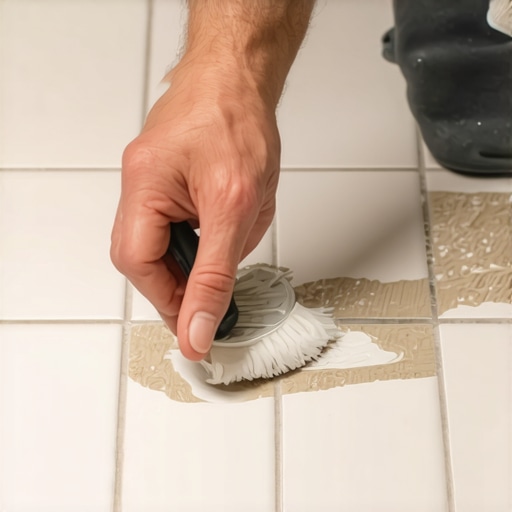 Many homeowners believe that basic cleaning and sealing are sufficient to maintain showers, laminate, hardwood floors, and grout, but in reality, there are nuanced pitfalls that can undermine long-term durability. For instance, a common misconception is that sealing grout once is enough; however, experts emphasize that reapplication every 1-2 years is crucial to prevent moisture ingress and mold growth, which can cause severe damage over time. Additionally, many assume that using excessive cleaning agents will boost longevity, but highly alkaline or acidic cleaners can wear down sealants and surface finishes, leading to costly repairs. Instead, it’s better to opt for pH-balanced products tailored for your flooring type, such as those recommended in our grout sealant guide.
How can advanced sealing techniques optimize long-term shower waterproofing?
We often overlook the importance of applying multiple layers of professional-grade sealants or utilizing penetrating sealants that bond deeper into the material, creating a more resilient barrier against water penetration. According to industry research, proper sealant selection and application can cut down moisture-related issues by up to 75%, especially when combined with proper surface preparation—a step many underestimate. For example, thorough cleaning and drying before sealing is essential; otherwise, trapped moisture can compromise the sealant’s effectiveness, leading to mold development or tile loosening. External studies, such as those published by the National Tile Contractors Association, support the critical role of advanced sealants in preventing water damage.
Another underestimated aspect is the impact of cleaning methods on surface longevity. Using abrasive brushes or harsh chemicals not only damages the surface but also deteriorates sealants and finishes faster. Instead, employing soft-bristle brushes and neutral cleaners preserves both appearance and integrity. In the case of laminate and hardwood floors, over-wetting during cleaning can cause swelling or warping; thus, mindful damp-mopping with well-wrung cloths is recommended—more details on maintaining these delicate surfaces can be found in our floor care guide.
Stop falling prey to these common mistakes by adopting a more nuanced approach to maintenance. Selecting the right sealant, applying it correctly, and using gentle cleaning practices are essential steps toward preserving your investments long-term. Remember, a proactive, well-informed strategy can save you significant repair costs and ensure your floors and showers remain pristine and durable. Have you ever fallen into this trap? Let me know in the comments.Maintaining durable and beautiful floors and showers requires more than just basic cleaning; investing in the right tools and mastering specific techniques can significantly extend their lifespan. One of my go-to tools is a **high-quality steam cleaner** for tiles and grout. I personally prefer models like the McCulloch MC1275 because they deliver deep sanitation without harsh chemicals, effectively breaking down stubborn stains and mold in grout lines—saving time and reducing chemical exposure. Regular use of a steam cleaner helps maintain cleanliness in high-moisture areas, preventing mold growth and buildup of grime. For hardwood and laminate floors, I rely on a **microfiber damp mop** equipped with a **well-wringer bucket**. This setup ensures minimal water contact, which is crucial since excess moisture can cause warping and swelling. I’ve found that a microfiber pad captures dust and dirt more effectively than traditional mops, and gentle dampness preserves the surface’s integrity. When applying sealants, I prefer a **precision brush applicator**, such as a silicone-tipped detail brush, which allows me to seal grout lines thoroughly without excess product. Following the manufacturer’s instructions, I reapply sealant every 12-18 months, a step recommended by industry experts to keep water intrusion at bay. Additionally, a **gauging sponge** helps in evenly pressing and smoothing sealant across surfaces, leading to a tight, uniform seal. Looking ahead, I believe the trend is leaning towards **smart cleaning devices** equipped with sensors that detect moisture and dirt levels, optimizing maintenance routines. This evolution promises to make floor care more efficient and less guesswork-based.
Consistency is key. Establishing a monthly routine that includes deep cleaning with specialized tools, inspecting for damage or sealant wear, and reapplying protective layers as needed ensures longevity. For example, periodically checking grout lines with a flashlight can reveal early signs of deterioration, prompting timely sealing. Moreover, integrating software like **FloorRadar**, which tracks maintenance schedules and alerts homeowners when reapplications are due, can streamline long-term care. If you’re serious about preserving your investment, I highly recommend trying out a steam cleaner on tiles and grout—it’s a game-changer in preventing buildup and extending the durability of your surfaces. For more in-depth guidance on sealing and maintenance, you can explore this trusted resource on waterproofing sealants.
The Hardest Lesson I Learned About Showers, Laminate, and Hardwood Floors
One of my most eye-opening realizations was that even premium flooring and shower materials can deteriorate rapidly without ongoing care. I once thought sealing was a one-time fix, but I discovered that regular reapplications are essential to prevent moisture infiltration and staining—something that caught me off guard when my bathroom tiles started showing signs of mold after just a year. This taught me that maintenance needs to be a proactive routine, not a reactive fix.
3 Myths About Floor and Shower Care That Held Me Back
Many homeowners assume that a single sealing or cleaning method is enough for long-term durability. I believed that scrubbing aggressively would remove deep stains, but it actually damaged my grout seals, leading to more problems. Additionally, I thought using harsh chemicals would restore my floors faster, only to find they eroded the surface and sealants. These misconceptions delayed proper care and cost me more time—and money—down the line. Now, I know gentle, pH-balanced products and proper sealing schedules are key.
What Experts Won’t Tell You About Protecting Your Floors and Showers
Professionals emphasize that surface preparation before sealing, combined with multiple layers of high-quality sealants, creates a waterproof barrier that significantly reduces long-term damage. Surprisingly, many overlook that even small details—like thoroughly drying the surface before sealing or inspecting grout lines annually—can make an enormous difference. Incorporating these expert tips has transformed my maintenance routine, making it more effective and less labor-intensive. For comprehensive strategies, exploring trusted resources like our guide on waterproofing sealants can provide invaluable insights.