
It was a typical Saturday afternoon when I stepped into my living room and immediately noticed it—scratches, dull patches, and a visual wear and tear that just wouldn’t quit. For a moment, I thought, “Why did I even bother installing those beautiful hardwood floors?” It hit me then—I’ve been neglecting proper maintenance. So many of us assume that hardwood floors, or even laminate, are maintenance-free marvels, but the truth is, without proper care, they can lose their luster faster than you might imagine.
Why Your Hardwood Floors Aren’t Surviving Without Proper TLC
In my early days of owning hardwood floors, I made a rookie mistake: I overlooked the importance of regular maintenance and believed that simple sweeping was enough. It wasn’t until I noticed deep stains and minor scratches that I realized I had missed some crucial steps. According to recent industry insights, neglecting proper care can significantly shorten the lifespan of your floors, leading to costly replacements. Proper maintenance isn’t just about keeping things clean; it’s about protecting your investment for years to come.
Is It’s Worth Investing in Expert Tips or Just Hype?
Honestly, I was skeptical at first. I wondered if those expert maintenance tips were just marketing hype or genuinely useful advice. Early on, I stubbornly used generic furniture polish, which only made things worse—causing buildup and uneven wear. It was a learning curve, but I discovered that following specific, trusted routines can profoundly extend your floor’s durability. For reliable insights, I recommend checking out [Trusted Hardwood Floors: Expert Maintenance & Care Tips 2024](https://premiumflooringco.com/trusted-hardwood-floors-expert-maintenance-care-tips-for-2024), which helped me transform my approach.
Now, with the right strategies, maintaining my floors feels less like a chore and more like an investment in their longevity. If you’ve ever felt overwhelmed or unsure about how to keep your hardwood or laminate floors looking their best, you’re not alone. Let’s dive into some of those essential tips that can help you preserve that beautiful sheen for years to come—because trust me, a little effort goes a long way.
Deep Cleaning: The Foundation of Longevity
Start with a thorough cleaning to remove embedded dirt that sweeping alone can’t tackle. Use a microfiber mop and a pH-neutral cleaner designed for hardwood or laminate floors. I remember the first time I did this—it was messy; I spilled a bucket, leaving a temporary puddle, but I learned that patience and proper tools matter. Rinse the mop frequently and avoid excess water to prevent warping.
Protective Measures That Actually Work
Next, install felt pads on furniture legs to prevent scratches. During my last overhaul, I replaced worn pads with new ones, which instantly reduced scuff marks. Think of these pads as a shield, preventing the friction that wears down your finish. Regularly check and replace them every 6 to 12 months.
Quick Response to Spills and Impacts
Spills should be wiped immediately with a dry cloth. For sticky stains, use a damp cloth with your cleaning solution, then dry thoroughly. Once, I spilled red wine—panic set in—but swift action with a blot and gentle cleaning salvaged my floor’s appearance. Delaying cleanup leads to staining and permanent damage. Keep a clean, soft cloth nearby for quick access.
Refinishing and Sanding: When and How
Over time, scratches or dullness may necessitate refinishing. If scratches are superficial, buffing with a fine-grade abrasive pad can restore shine. For deeper marks, sanding and re-coating may be required—similar to resurfacing a wooden table. I hired a professional for my aging floors, which gave me a flawless finish, but DIY refinishing is possible with proper safety gear and attention. Check out expert tips before proceeding.
Seasonal Maintenance Rituals to Use Year-Round
Adjust your care routine based on seasons. Humidity levels affect wood expansion; during dry months, use humidifiers, and in humid seasons, run dehumidifiers. During winter, avoid using excessive water for cleaning, and in summer, do monthly deep cleans. Think of this as tuning a musical instrument—you need to adjust settings to keep everything in harmony.
Specialized Cleaning for Grout and Shower Areas
If your floors include grout or are in bathrooms, use specific cleaner strategies. For grout, apply a grout cleaner with a brush and sealant to prevent water infiltration, as shown in trusted grout cleaning tips. I once tackled this with a DIY mixture of baking soda and vinegar, which worked surprisingly well—just ensure thorough rinsing afterward. Sealing grout lines annually prevents stains and deterioration, maintaining both aesthetics and function.
Routine Inspection and Maintenance Checklist
Set a schedule: weekly sweeping, bi-weekly damp mopping, monthly protective checks, and annual refinishing if needed. This cycle acts like regular doctor visits for your floors, catching issues early. I mark my calendar to stay consistent—consistency is key to durability.
Invest in Quality Sealants and Care Products
Using reputable sealants enhances moisture resistance and shine. For bathrooms and kitchens, choose products tested for durability, like those recommended in expert care guides. I discovered that not all sealants are created equal; investing in high-quality supplies makes maintenance easier and extends your floors’ lifespan.
Every step, from routine cleaning to refinishing, builds up a defense against wear. Remember, consistent and deliberate care transforms minor scratches or dullness into a thing of the past, preserving your floors’ beauty for years to come.
While many assume that laminate and hardwood floors are nearly maintenance-free and that grout and shower seals last forever, the truth is far more nuanced. A common myth is that high-quality floors require little to no ongoing care; however, expert insights reveal that regular, targeted maintenance is essential to prevent premature aging. For instance, some believe that simply cleaning with water and generic products suffices, but over time, this can lead to stubborn residues or surface damage. Instead, using specialized cleaning solutions and understanding the materials’ sensitivities can significantly extend their lifespan.
Another widespread misconception is that grout sealing is a one-time fix. Many think applying a sealant once suffices, yet studies show that grout sealants degrade over time, especially in high-moisture areas, necessitating reapplication to maintain waterproofing and aesthetic appeal. Failing to re-seal can lead to water infiltration, mold, and staining, undermining your investment.
For showers, a common trap is neglecting the importance of proper waterproofing before grout application. Rushing this step or assuming every sealant provides equal durability can be disastrous. High-quality sealants tailored for shower environments create an effective barrier against water, but only if applied correctly and maintained periodically. Expert guidance emphasizes that consistent inspections and reapplications are critical for long-term performance.
A sophisticated question often overlooked is: How do material compositions influence maintenance strategies? For example, laminate floors with a melamine surface have different care needs compared to hardwood with an oil-based finish. Recognizing these differences allows for tailored routines, preventing damage from inappropriate cleaning or sealing practices.
Research in flooring durability, such as the recent study published in the Journal of Building Engineering, confirms that periodic re-sealing and specialized cleaning extend the functional life of these surfaces. Neglecting these nuances can lead to costly repairs or replacements much earlier than expected.
Have you ever fallen into this trap? Let me know in the comments. Remember, understanding these hidden details ensures your surfaces remain pristine and durable for years to come.Maintaining your hardwood, laminate, or shower surfaces requires more than just routine cleaning; it calls for the right tools and a strategic approach to ensure longevity and durability. One of my go-to items is a **high-quality microfiber mop**, such as the Swiffer WetJet or Bona Microfiber Mop. I prefer these because their soft fibers trap dirt effectively without scratching delicate finishes, and they’re lightweight enough for daily use. Additionally, I use a **pH-neutral cleaner** specifically designed for hardwood and laminate floors, which prevents surface damage—a crucial factor I learned early on from trusted guidelines. For stubborn stains or grout issues, I swear by an **ultra-fine grout cleaning brush** paired with an enzyme-based cleaner, which breaks down organic stains without the harsh chemicals that can degrade sealants over time. These tools combined provide a professional-level clean that extends the life of your surfaces.
In the shower area, a **stainless-steel squeegee** is indispensable for removing excess water after each use. This might seem minor, but it significantly reduces water spots and mold risk, according to https://premiumflooringco.com/trusted-shower-waterproofing-sealants-for-lasting-bathrooms-in-2024. To keep grout lines sealed and protected, I recommend reapplying a **quality grout sealant** at least once a year—this prevents water infiltration and staining. An advanced technique I’ve recently adopted is using a **digital moisture meter** to monitor humidity levels, especially in bathrooms, which helps me decide when to run dehumidifiers or humidifiers, depending on the season.
Predicting the future, I believe smart moisture sensors and IoT-enabled cleaning devices will become essential in professional maintenance routines, providing real-time data to prevent issues before they escalate. Imagine receiving a notification on your smartphone when humidity exceeds safe levels or when a sealant needs reapplication—making maintenance practically foolproof.
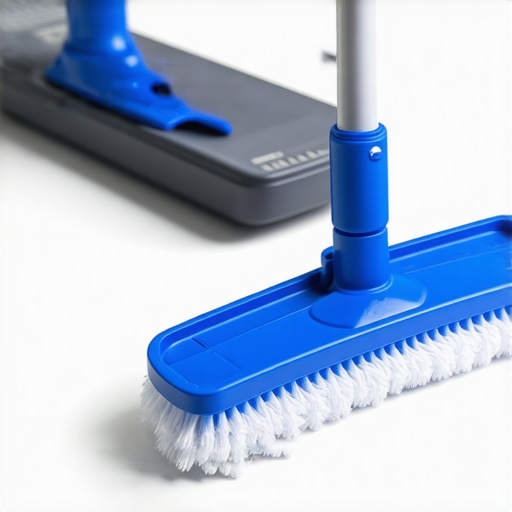
Prompt: Close-up of a microfiber mop and grout brush in a bathroom setting, highlighting tools for floor and grout maintenance. Alt: Microfiber mop and grout brush for cleaning and sealing tiles; Title: Essential Tools for Long-Lasting Bathroom Floors.
**How do I maintain my sealed grout and shower waterproofing over time?** Regular reapplication of high-quality sealants and using moisture monitoring tools can dramatically keep your surfaces in top shape, preventing issues like mold, staining, and water damage. Incorporate these advanced tools into your routine, and you’ll notice a marked difference in how your floors and showers withstand the test of time. Why not start today by testing your grout’s sealant integrity with a simple, affordable moisture meter? It’s a game-changer for proactive maintenance.
The Hardest Lesson I Learned About laminate,hardwood floors,grout,showers
One of my biggest surprises was realizing that even the highest quality floors need consistent care—neglect leads to premature aging, and I had to learn this the hard way. I’ve discovered that regular attention, like timely sealing and proper cleaning, can be the difference between a floor that lasts decades and one that needs replacing in a few years. Trusting outdated myths, like “once sealed, you’re done,” can be costly. Understanding the nuanced needs of different materials has been a game-changer in preserving their beauty.
3 Myths About laminate,hardwood floors,grout,showers That Held Me Back
Myth one: All sealants are created equal. The truth is, choosing the right sealant for your material and environment makes a substantial difference, as shown in this guide. Myth two: Water-based cleaning is always safe. But in reality, using pH-neutral solutions specifically designed for your flooring type prevents unnecessary damage. Myth three: Reapplying grout sealant is a one-time fix. Regular re-sealing extends grout’s life, especially in high-moisture zones, according to trusted waterproofing tips. Busting these myths has empowered me to make smarter, more durable choices for my home.
What Experts Won’t Tell You About laminate,hardwood floors,grout,showers
Many professionals avoid discussing the critical role of humidity control; yet, maintaining optimal moisture levels using smart sensors can prevent cracks and warping, as noted in recent expert insights. Also, there’s often little mention of the importance of quick spill response—delays can lead to stains and structural issues. I’ve learned that investing in tools like moisture meters and high-quality sealants not only saves money but also keeps my surfaces looking pristine longer. These insider tips have been invaluable in extending the lifespan of my floors and showers beyond what I thought possible.
My Essential Toolkit for Floor and Shower Longevity
Over the years, I’ve curated a set of trusted tools that make maintenance manageable. A soft microfiber mop from this trusted source ensures gentle cleaning without scratches. For grout and seals, a durable grout brush paired with an enzyme cleaner has kept my bathroom looking fresh. Using a stainless-steel squeegee after showers significantly reduces mold risk, as recommended in waterproofing guides. These tools, combined with high-quality sealants and moisture monitors, have transformed my routine from tedious to effective, giving me peace of mind that my investment is protected.
Step Into a Future Where Your Floors Reshape Your Home
Now, I see maintenance not as a chore but as a way to honor the craftsmanship of my floors and showers. With knowledge, the right tools, and proactive habits, you can dramatically extend their lifespan, saving money and preserving beauty. Imagine a home where each step is supported by confidence rather than concern—that’s the power of strategic care. I encourage you to start today, incorporating just a few of these insights, and watch your floors become a lasting legacy for your space.
This post really hits home for me. I used to think my hardwood floors were almost maintenance-free until I noticed scratches and dull patches that just wouldn’t go away. I’ve since started implementing some of the expert tips mentioned here, like using felt pads on furniture and regular deep cleaning with pH-neutral solutions. What really made a difference was the routine sealing of grout lines, especially in high-moisture areas like the bathroom. It’s amazing how much simple, consistent care can extend the life of these surfaces. I do wonder, though, how often do others professionally refinish their floors versus doing it themselves? I’ve considered hiring a professional for my aging floors, but I’m curious about the DIY experience—any tips or pitfalls to watch out for?
I totally relate to the experience shared here. When I first moved into my home, I underestimated how quickly floors can show wear from everyday traffic and spills. Regular deep cleaning with pH-neutral solutions and installing felt pads made a noticeable difference in keeping scratches at bay. What I’ve found most effective is setting a seasonal maintenance schedule—like you mentioned, humidity control is often overlooked but plays a crucial role, especially during dry winters or humid summers. It’s also helped me to spot early signs of wear or potential damage, giving me the chance to address issues before they escalate.
One challenge I still face is keeping grout lines spotless long-term, especially in high-moisture areas. Sealant reapplications help, but does anyone have tips for easier, less labor-intensive maintenance of grout lines between deep cleanings? I’d love to hear how others keep their bathrooms looking fresh without a ton of hassle. Overall, the investments in good tools and regular upkeep have definitely extended the lifespan of my floors, but I’m curious—how often do seasoned DIYers or professionals recommend sanding and refinishing if slight damage persists? Would appreciate your insights!