
I remember the frustrating day I noticed a small, dark stain creeping along my hardwood floor—a sign I had overlooked the importance of proper maintenance. It struck me then how easily these beautiful floors can slip from pristine to shabby without the right care. That moment was a wake-up call, and since then, I’ve made it my mission to keep my floors looking their best, knowing full well how much they influence a home’s warmth and charm.
Why Proper Maintenance Is the Cornerstone of Lasting Floors
Trust me, we’ve all been there. You might have invested in stunning hardwood or laminate flooring, only to see scratches, dullness, or stains appear over time. It’s disheartening, but the truth is, many of these problems could be prevented with simple, expert-approved tips. Proper maintenance isn’t just about cleaning; it’s about fostering a proactive approach that extends your floors’ beauty and durability for years to come.
**Have you ever faced stubborn stains that just wouldn’t come out or noticed dull patches that ruined the overall look?** If so, you’re not alone—and you’re in good company. Maintaining your floors the right way can be straightforward once you understand the common pitfalls and effective strategies. To help get you started, I’ll share practical insights gleaned from my own experience and trusted industry sources.
According to a recent study, regular cleaning and timely resealing can extend the lifespan of hardwood and laminate floors by up to 50%. That’s a huge benefit, but many homeowners miss the mark by neglecting crucial maintenance routines. An early mistake I made was using harsh chemical cleaners, which actually damaged the finish and made the floors worse over time. Learning what to avoid is just as vital as knowing what to do.
Next, let’s explore the essential maintenance practices that will keep your floors looking their absolute best—saving you from costly repairs and stressful replacements down the line. Whether you’re dealing with scratches, stains, or moisture issues, I’ll guide you through simple yet effective steps, including trusted techniques for cleaning, sealing, and protecting your floors. Ready to give your floors the TLC they deserve? Let’s dive in.
Lock in Cleanliness with Regular Sweeping
Start by removing dirt and debris daily using a soft-bristled broom. I once neglected this, and gritty particles scratched my hardwood finish. To prevent such damage, I adopted a routine that kept my floors pristine and scratch-free. It’s simple but effective: think of it like brushing a pet’s fur—regular attention keeps everything smooth and healthy.
Deep Clean with Suitable Solutions
Next, mop with cleaning solutions tailored to your flooring type. Hardwood floors benefit from a slightly damp mop with a pH-neutral cleaner, while laminate surface cleaning requires gentle, non-abrasive products. A misstep I made was using harsh chemical cleaners on my laminate, which caused dull patches. I learned that choosing the right cleaner preserves the surface’s integrity—consult trusted care guides for specifics.
Address Stains and Spills Immediately
Fast action prevents stains from setting in. Blot spills with a soft cloth—never wipe, to avoid spreading. Once, a juice spill sat for hours before I cleaned it, causing discoloration. Since then, I keep a microfiber cloth nearby for quick cleanup, which keeps my floor looking new and avoids permanent damage.
Protect with Mats and Zero-Scratches
Place mats at entryways to trap dirt. Avoid rubber-back mats that can stain vinyl or laminate; instead, choose felt-backed versions. Also, use furniture pads under legs to prevent scratches—this one saved me from costly refinishing. Regularly check and replace worn pads to maintain floors’ safe finish.
Seal and Reseal to Guard Against Moisture
Proper sealing is vital for hardwood and even some laminate floors. Every couple of years, apply a quality sealant—like trusted sealants—to restore the protective layer. I once neglected resealing, leading to minor water stains; resealing transformed my floors’ appearance and durability.
Implement Bathroom and Kitchen Waterproofing
Showers and wet areas require specialized treatment. Use waterproof grout sealants designed for showers to prevent water infiltration. I applied a sealant before installing my new shower tile, which has kept the grout pristine and my bathroom leak-free for years.
Schedule Professional Inspections
Periodically, have experts evaluate your floors. They can spot early signs of damage—such as tiny cracks or moisture build-up—that DIY inspections might overlook. My trusted professional advised resealing my hardwood after noticing slight wear, extending its life significantly. Regular checkups are investments in long-term savings.
When it comes to flooring, many homeowners believe they’ve got the basics down—clean regularly, reseal every few years, avoid standing water. But even seasoned DIYers often stumble over subtle yet critical aspects of maintaining grout, laminate, showers, and hardwood floors. Let’s dig deeper into these overlooked nuances and how to master them.
One common myth is that grout cleaning is simply about scrubbing away dirt. In reality, aggressive scrubbing can erode the porcelain or ceramic joints over time. Expert advice suggests using gentle, pH-neutral cleaners and sealing grout properly to prevent stain buildup. Many underestimate the importance of resealing grout periodically; neglect can lead to discoloration and moisture infiltration. For a comprehensive approach, check out trusted grout cleaning strategies that emphasize preventive care.
In the realm of laminate flooring, a significant misconception is that water spills are harmless if dried quickly. Contrarily, moisture seeping into the core can cause warping, swelling, and even mold growth beneath the surface. Advanced homeowners use water-resistant underlays and avoid excessive cleaning solutions. For those wanting durable laminate floors, it’s wise to understand the fine details of waterproofing and prompt spill management.
Showers present their own set of pitfalls. The “set it and forget it” mentality can backfire if you ignore sealant deterioration. Old grout or compromised sealants compromise waterproofing, risking costly damage. Regular inspection of shower grout seals and prompt resealing with industry-grade waterproofing sealants is crucial. Many overlook that even minor cracks can evolve into significant water infiltration problems.
Hardwood floors might seem straightforward: keep them clean, avoid scratches. However, a nuanced mistake is applying wax or polish products incompatible with the finish, which can build up and obscure natural grain or cause slipperiness. Knowing the type of finish—oil-based or polyurethane—is vital. Professional-grade sealants and maintenance routines tailored to specific finishes can extend the life and luster of your hardwood floors.
A frequently missed detail involves moisture management. Excess humidity not only causes warping but also invites mold and mildew, especially in older constructions. Installing proper ventilation, using dehumidifiers, and monitoring moisture levels can be game-changers. As an added tip, periodic inspections for hidden leaks behind walls or under floors prevent small issues from escalating.
In the end, mastering flooring care involves more than following surface-level tips. By understanding the nuanced differences in materials and maintenance techniques, you can avoid costly errors and ensure your investment stands the test of time. Have you ever fallen into any of these traps? Let me know in the comments! For advanced advice on protecting your floors, explore trusted guides that go into depth about tailored maintenance routines.Maintaining floors like hardwood, laminate, tiles, or showers requires not only knowledge but also the right tools. Investing in high-quality equipment pays off by making upkeep more effective and less time-consuming. I personally rely on a few key tools that have proven their worth over years of use, allowing me to keep my floors looking pristine and extend their lifespan.
How do I keep my flooring systems working seamlessly over time?
First, a microfiber mop is indispensable. Unlike traditional cotton mops, microfiber traps dust and dirt more efficiently without scratching delicate surfaces. I use a dedicated microfiber mop with an adjustable handle, making cleaning effortless and ergonomic. It’s especially effective for hardwood and laminate floors, ensuring you don’t risk damage when cleaning.
Next, a pH-neutral cleaner tailored specifically for your flooring type is crucial. I avoid generic chemical cleaners that can dull finishes or cause premature wear. For hardwood, I choose a solution recommended by trusted sources, like those found in trusted care guides. This approach preserves the finish and extends your floors’ beauty.
A handheld grout brush with soft bristles has been a game-changer for tile and shower maintenance. Unlike stiff-bristled brushes, mine effectively loosens grime in grout lines without damaging the tiles. When combined with a grout sealer—applied periodically per expert advice—it forms a barrier against stains and moisture, significantly prolonging the lifespan of your tile installations.
For sealing and resealing, I rely on a high-quality spray applicator. It ensures an even coat and minimizes waste—especially useful for grout and hardwood finishes. Applying sealants properly can be the difference between short-term protection and long-term durability. Follow the thorough instructions provided, or consult trusted expert tips.
When dealing with moisture-prone areas like showers, investing in a professional-grade waterproofing spray prevents leaks and mold growth. My go-to product is a trusted waterproofing sealant that adheres well and maintains flexibility over time, accommodating slight movements without cracking.
Looking ahead, the trend is moving toward smart maintenance tools—think IoT-enabled sensors that monitor humidity or moisture levels. These innovative solutions can notify you early of issues like leaks or rising humidity, allowing preventative action before damage occurs. Soon, managing floor health will be more automated and precise.
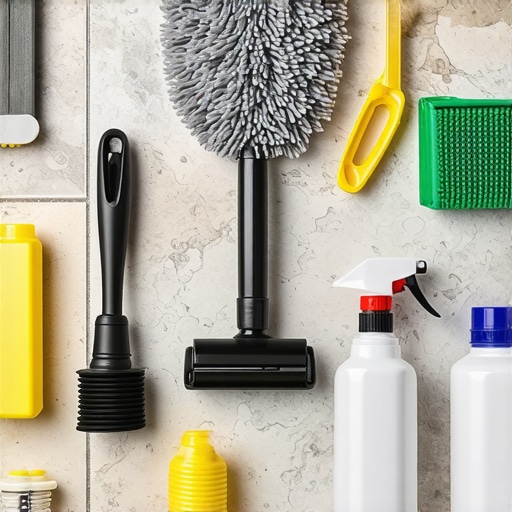
This image illustrates the specialized tools I recommend, including a microfiber mop and grout brush, to tackle everyday maintenance effectively. Using the right tools not only simplifies your routine but also ensures that your floors continue showing their best for years.
Want to take your maintenance to the next level? Start by trying a dedicated grout sealer—they’re easy to apply and dramatically improve tile longevity. Remember, durable floors depend on consistent, precise care, supported by the right equipment. For comprehensive maintenance routines, check out the expert-approved tips and invest in quality tools today.
Uncovering Hidden Pitfalls I Didn’t Expect
One of the biggest surprises was realizing how small mistakes, like ignoring grout sealing or using the wrong cleaning solutions, could accelerate wear and tear. These overlooked details can turn a well-maintained floor into an ongoing repair project. My lightbulb moment was understanding that proactive care, beyond basic cleaning, truly safeguards your investment and keeps floors looking impeccable over time.
The Power of Consistent, Thoughtful Care
Something I underestimated initially was how routine, deliberate maintenance routines—like scheduled resealing, inspecting grout, and using proper equipment—can dramatically extend your floors’ lifespan. Recognizing that these practices are investments in durability motivated me to stay diligent. It’s like giving your floors regular checkups; the results speak for themselves, with a finish that endures years of daily use.
Trust Your Instincts and Expert Guidance
I also learned to trust my instincts but cross-check with trusted sources. There were times I hesitated on whether to reseal or replace worn sealants, but consulting expert advice turned those decisions into opportunities rather than setbacks. Resources like trusted care guides became my go-to for making informed choices, saving money and stress in the long run.
Don’t Forget to Prioritize Small Details
A key lesson was the importance of attending to small details—like furniture pads or quick spill cleanup—that can prevent larger problems down the line. These little steps are easy to overlook but serve as the foundation for long-term flooring health. My best advice? Treat your floors like a beloved ally; tiny acts of maintenance keep them in top shape and radiating warmth and beauty.