
It was a typical Saturday morning when I stepped into my bathroom—and immediately regretted it. The grout around my shower tiles was nothing short of a nightmare: stained, grimy, and stubbornly resisting every cleaning attempt I threw at it. It was then I had my lightbulb moment. After countless failed DIY tricks, I realized that the old methods weren’t cutting it anymore. If you’re struggling with grout that just won’t clean up, believe me, you’re not alone. Many homeowners face this exact frustration, feeling overwhelmed by the stubborn dirt that seems to cling no matter what. The good news? I’ve discovered some game-changing hacks that actually work—and they’re surprisingly simple.
Why Grout Cleaning Should Be a Top Priority in 2026
Keeping grout clean isn’t just about aesthetics; it’s about health, longevity, and saving yourself money in the long run. Mold and mildew love to hide in those tiny crevices, turning your beautiful bathroom into a potential health hazard. According to the Environmental Protection Agency, prolonged exposure to mold can worsen respiratory issues and allergies, making regular grout maintenance essential. Yet, I used to neglect this vital task, thinking harsh chemicals were the only solution. That was a mistake. Early in my cleaning journey, I over-scrubbed with abrasive tools, damaging the grout instead of cleaning it. Building trust with effective, safe techniques is key.
So, can these hacks truly make a difference? Absolutely. In fact, my transition from harsh chemicals to more natural, proven strategies transformed my bathroom’s appearance—and my peace of mind. Today, I’ll share the best methods I’ve found that are not only effective but also gentle on your tiles and your wallet. Are you ready to conquer that grimy grout once and for all?
Is All the Hype About New Cleaning Hacks Actually Worth It?
I know what you’re thinking—that some of these new tips might sound too good to be true. I was skeptical, too. When I first heard about using simple household items or specialized sealants, I wondered if they would hold up. My initial mistake was dismissing these methods without trying them out—I held onto the misconception that only commercial-grade cleaners could do the job. That’s a trap I want you to avoid. Proven strategies, such as trusted grout cleaning techniques, are backed by research and real-world success stories. If you want to learn more about maintaining your grout’s health over time, check out effective grout tile cleaning strategies for lasting floors.
Now that we’ve set the stage, let’s dive into the practical hacks to restore your grout’s original beauty—without spending a fortune or risking damage to your tiles.
Prepping Your Workspace Efficiently
Begin by removing any loose debris or soap scum from the grout using a vacuum or a dry brush. This step prevents dirt from smearing during cleaning. I once tackled a particularly stubborn shower grout, and skipping this initial phase only made the task messier. Be meticulous—this sets the foundation for effective cleaning.
Choose the Right Cleaning Solution for Your Surface
For ceramic or porcelain tiles, a mixture of baking soda and water can be surprisingly effective. For more stubborn stains, add a few drops of dish soap or hydrogen peroxide. Think of grout like the mortar between bricks—if you ignore the mortar, the structure weakens. For hardwood floors, avoid excess moisture and opt for cleaning methods tailored to wood, such as a damp microfiber cloth. Learn more about maintaining hardwood and laminate floors.
Apply and Let the Solution Penetrate
Using an old toothbrush or a grout brush, sponge the solution onto the grout lines thoroughly. Press into the crevices—think of it as filling in the cracks of a rocky path. Allow the solution to sit for at least 10-15 minutes. This dwell time enables the cleaning agents to loosen embedded grime, just as a marinade tenderizes meat. I recall a time I let the solution sit longer—up to 30 minutes—and the results were visibly brighter grout lines.
Scrub With Intention and Care
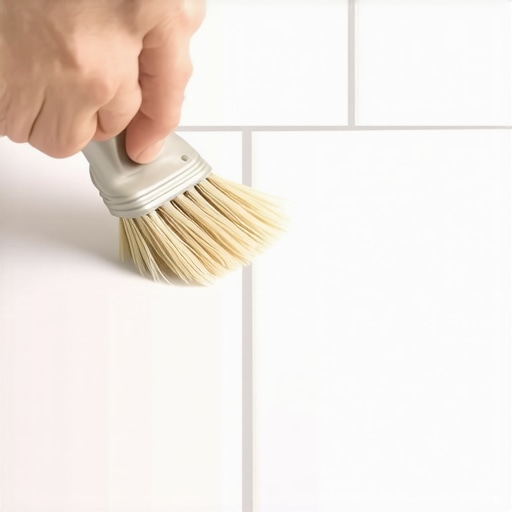
Next, scrub the grout vigorously but carefully, aiming to lift dirt without damaging delicate tiles or sealants. Use a stiff-bristled brush or a specialty grout cleaning tool. For shower grout, I used a narrow brush to access tight corners—sometimes, a simple toothbrush sufficed. Be mindful not to gouge or erode the grout—a common mistake that leads to costly repairs. For sealed and waterproofed areas, avoid abrasive tools that could compromise water resistance. Consult waterproofing best practices for more details.
Rinse and Remove Residue Systematically
After scrubbing, rinse the area with clean water using a damp cloth or sponge. For large surfaces, a handheld spray or gentle mop works well. Be thorough—residual cleaning agents left behind can attract more dirt over time. Dry the surface promptly with a towel to prevent new stains from forming. During my initial attempts, I ignored rinsing, which caused new grime to settle faster—lesson learned the hard way.
Seal the Grout for Long-Term Protection
Once the grout is clean and dry, apply a trusted grout sealant. This acts like a barrier—akin to raincoat for your grout—protecting against future stains and moisture penetration. For instance, I tried a popular sealant recommended in waterproofing guides, and it significantly extended the clean look of my grout lines. Sealants are vital in preventing mold buildup and aiding future cleaning efforts.
 While many homeowners believe they understand the basics of floor and bathroom maintenance, there are subtle nuances and common misconceptions that can undermine your efforts. For instance, a frequent mistake is assuming that all grout is created equal and requires the same cleaning approach. In reality, different types of grout—such as sanded versus unsanded—react differently to various cleaning agents and sealants, affecting longevity and appearance. Similarly, the myth that sealing grout once is sufficient overlooks the importance of reapplication over time; even high-quality sealants can wear down, leading to stains and mold buildup. For advanced maintenance, understanding the porosity of your grout and choosing the appropriate sealant—like a penetrating versus a topical one—can significantly extend its life. Want to dive deeper? Check out trusted strategies for long-lasting grout results.
Many people also underestimate the delicate balance required for laminate and hardwood floors. They might believe that regular sweeping and minimal maintenance are enough, but neglecting periodic deep cleaning or proper refinishing can cause surface wear and color fading. An often-overlooked detail is the impact of moisture—excess water can seep into wood, leading to warping or swelling. The nuance lies in selecting the right cleaning products; for hardwood, alkaline cleaners can damage the finish, while natural solutions like diluted vinegar can be effective but must be used cautiously.
When it comes to showers, a widespread misconception is that high-pressure steam cleaning alone can eliminate embedded mold and mildew. However, without proper sealing and regular grout maintenance, mold spores can hide deep within the grout lines—making DIY remedies ineffective over the long term. That’s why choosing water-resistant sealants and maintaining proper ventilation are critical strategies often overlooked by homeowners. Expert advice emphasizes that neglecting these details is a leading cause of costly repairs down the line.
Proper maintenance isn’t just about cleaning—it’s about understanding your materials. Missteps like using abrasive tools on delicate surfaces or ignoring signs of moisture intrusion can accelerate damage, turning minor issues into major expenses. To truly master your flooring’s care, it’s vital to educate yourself on material-specific strategies and avoid the trap of one-size-fits-all solutions.
**Ever fallen into this trap of oversimplifying your flooring maintenance?** Let me know in the comments, and remember—taking the time to understand these nuances can save you money and prolong the life of your investments.Maintaining your floors in top condition requires more than just routine cleaning; it demands using the right tools and adopting effective methods that stand the test of time. Over the years, I’ve refined my toolkit to include specific equipment and techniques that deliver professional-grade results at home. One essential tool I rely on is a high-quality grout cleaning brush with stiff, angled bristles. This design allows me to get into tight grout lines without damaging surrounding tiles, making deep cleaning more efficient and less labor-intensive. I’ve found that investing in a grout cleaning drill attachment, which combines power and precision, significantly reduces the effort needed for stubborn stains—it’s like having a portable power cleaner for your floors.
For larger surface areas like hardwood or laminate, an oscillating floor cleaner with adjustable microfiber pads is invaluable. I personally prefer models that can switch between gentle and deep-clean modes, depending on the need. These machines ensure even cleaning without excessive moisture, which is crucial for protecting delicate materials like hardwood. For example, using a dedicated steam mop on laminate floors not only deep cleans but also kills bacteria without introducing water damage, aligning with best practices outlined in trusted maintenance guides.
Recognizing that long-term results depend on consistent upkeep, I recommend establishing a regular maintenance schedule. Incorporate routine vacuuming with a HEPA-filtered vacuum to prevent dirt buildup, which can wear down surfaces over time. Then, periodically deep-clean using specialized tools—like the drill attachment for grout and an oscillating cleaner for floors—about once every three to six months. This proactive approach preserves the integrity and appearance of your flooring.
Looking ahead, the trend leans toward smart cleaning solutions, such as app-controlled robot vacuums equipped with sensors to avoid delicate areas and optimize cleaning paths. These innovations can significantly reduce manual effort and ensure your floors stay pristine with minimal intervention. Companies like iRobot and Roborock are advancing in this space, promising even smarter, more efficient cleaning systems in the near future.
How do I keep hardwood and laminate floors looking their best over time? The key is consistency combined with targeted tools. For instance, applying a reputable sealant periodically can protect surfaces against moisture and stains—a crucial step that I often overlook but which can dramatically extend your floors’ lifespan. Trust me, integrating a dedicated grout cleaning tool along with routine maintenance routines has saved me both money and stress—try using a grout drill attachment this weekend to see immediate results.Even after years of DIY cleaning, I finally realized the biggest lesson: knowing your materials and how they react is the key. For example, I once used harsh chemicals on my hardwood, thinking they’d cut through grime—only to damage the finish. It took a scare and a little research to learn that gentle, pH-balanced cleaners work best for wood, and sealing it properly can prevent future damage. Another insight was understanding the differences in grout types—sanded versus unsanded—each requiring specific cleaning approaches to avoid erosion or discoloration. Sitting back and considering these details made me a more confident homeowner, turning a frustrating task into a rewarding routine.
I totally relate to the struggle with stubborn grout stains. When I first tackled mine, I was tempted to go straight for chemical cleaners, but after some research and trial, I found that a simple mix of baking soda and hydrogen peroxide did wonders without any harsh fumes. It’s interesting how everyone’s grout reacts differently depending on the material and age—I’ve learned that patience and testing small sections is key before committing to a full clean. I also started sealing my grout every year after a deep clean, which significantly reduced future staining and mold buildup. One thing I’d love to hear from others is—what’s your go-to tool for scrubbing tight corners? I’ve found that a small, narrow brush makes a huge difference in reaching those hidden spots in the shower. Keep up the great tips—this post has inspired me to give my bathroom a refresh this weekend.
I’ve dealt with stubborn grout stains myself, especially in older bathrooms where the grout has yellowed over time. What really helped me was switching to natural cleaning solutions; after trying commercial cleaners that often overwhelmed my system, I found that a paste of baking soda and vinegar worked wonders without the harsh fumes. Plus, sealing the grout right after cleaning has kept it looking fresh much longer. The tip about letting the solution sit longer resonates—I once left it for about 20 minutes, and I saw a significant difference. One tool I swear by is a narrow, stiff-bristled brush, which gets into those tight corners and helps lift the dirt that’s deep inside. For those with a lot of tile lines, have you tried electric grout cleaning brushes? They save my hands a lot of effort. Also, I’m curious—what are your thoughts on reapplying grout sealant? How often do you do it to maintain that bright, clean look?