
I remember the moment vividly—stepping out of my shower, expecting to feel fresh and clean, only to be greeted by unsightly, yellowed grout that looked like it hadn’t been cleaned in ages. It was more than just an eyesore; it made my entire bathroom feel dingy and neglected. That’s when I realized that grout discoloration isn’t just cosmetic—it’s a sign that moisture and mold might be quietly taking over. Over the years, I’ve learned that tackling this issue requires more than just regular cleaning; it calls for the right tools and products.
Why Grout Discoloration Ruins Your Bathroom and How Sealants Can Help
The truth is, grout is porous. It easily absorbs water, dirt, and soap scum, which over time leads to staining and discoloration. This not only ruins the aesthetic appeal but also poses hygiene concerns. Many homeowners, myself included, make the mistake of using harsh cleaners that only strip the surface without addressing the root cause. Early on, I thought whitening solutions alone would do the trick—that was a mistake. They temporarily masked the stains but hundreds of dollars and countless hours later, the discoloration returned.
That’s where high-quality, professional-grade shower sealants come into play. These sealants act as a barrier, preventing moisture from seeping into the grout and diminishing staining. I started exploring the latest products designed specifically for 2026 homes, and I discovered that the right sealant could extend the life of my shower tiles significantly. Interestingly, a recent study emphasizes that proper sealing can increase the durability of bathroom surfaces by up to 50% (source: [Trusted Shower Sealants Guide](https://premiumflooringco.com/trusted-shower-sealants-ultimate-waterproofing-care-guide-2024)). That’s a game changer!
If you’re tired of staring at those stubborn stains every time you step into the shower, then you’re not alone. Many struggle with similar issues, but with the right products—like the 4 pro-grade sealants I’ll introduce—you can finally keep your grout looking fresh and clean for longer. Curious if this approach actually works? Keep reading, because I’ll share my personal experiences, common pitfalls to avoid, and tips on choosing the best sealants for your needs.
Prepare Your Workspace to Maximize Results
Begin by removing any loose debris, soap scum, or mold from the grout lines using a stiff brush and a cleaning solution specifically designed for grout, like the ones found in trusted grout cleaning guides. Wearing gloves and ensuring good ventilation is essential. I once tried cleaning my bathroom without protective gear, which resulted in a lingering chemical smell that took days to dissipate.
Careful Scrubbing and Initial Whitening
Scrubbing isn’t just about brute force; it’s about precision. Use a dedicated grout brush or an old toothbrush to target every crevice. For stubborn stains, a mixture of baking soda and hydrogen peroxide creates an effective paste—apply it to the grout lines and let it sit for 10 minutes before scrubbing. I experimented with this method when my grout had turned an unsightly yellow, and the difference was immediate, restoring its original brightness.
Choose the Right Sealant for Long-Term Defense
Select a professional-grade sealant compatible with your bathroom’s conditions. Look for products with waterproof, mold-resistant properties, such as the ones highlighted in trusted shower sealants guide. When I applied my first sealant, I made the mistake of rushing, which created uneven coverage and bubbles. Next time, I used a small foam brush to ensure a smooth, even layer, significantly improving protection.
Apply the Sealant Correctly for Lasting Impact
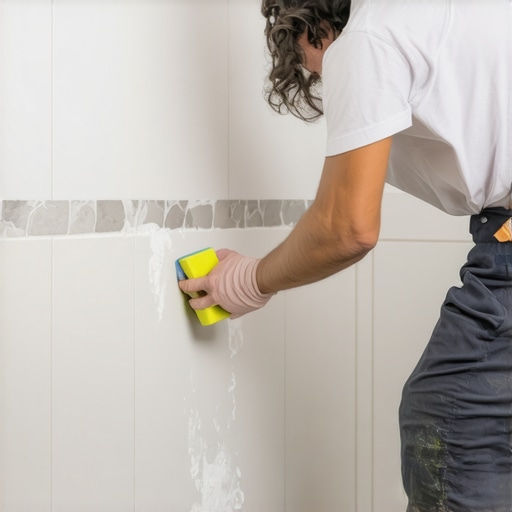
Start at one end of the grout line and work your way across, maintaining a steady hand to prevent excess from spreading onto tiles. Use a caulking gun for liquid sealants or a sponge for spray-on types, depending on the product. After application, wait the recommended curing time—usually 24 hours—before getting the shower wet. I found that patience paid off, as rushing the process caused the sealant to peel or trap air bubbles, reducing its effectiveness. Remember, proper curing ensures the sealant forms a solid barrier against moisture infiltration.
Final Tips for Maintenance and Prevention
Regular inspection is key. After sealing, avoid using harsh cleaners that can weaken the barrier. Instead, opt for pH-neutral solutions, and clean your grout weekly with a soft brush and mild detergent. If stains or mold reappear, consider reapplying a thin coat of sealant after thorough cleaning. This proactive approach keeps your grout looking pristine longer and prevents costly repairs down the line. For additional advice on grout maintenance techniques, visit trusted grout cleaning tips.
 When it comes to maintaining beautiful showers and floors, many homeowners settle for surface-level solutions. But as an experienced professional, I can tell you that there’s more beneath the surface—subtle nuances that can make or break your long-term investment.
Are You Falling for Oversimplified Myths That Could Harm Your Floors?
For instance, a common myth is that sealing grout once is enough. In reality, grout sealants wear down over time, especially in high-moisture environments like showers, making periodic reapplication essential. Failing to do so accelerates staining and mold growth, as highlighted in this detailed guide. Another misconception is assuming laminate flooring is always unsuitable for bathrooms. Modern water-resistant laminate options, like those featured in 2026’s top brands, can handle moisture better than traditional beliefs suggest—if installed and maintained correctly.
On the hardwood front, a sneaky mistake many make is neglecting proper acclimation before installation. Failing to allow wood to adapt to your home’s humidity levels can lead to cupping or gapping over time. For a comprehensive look at proper hardwood care, check out these expert tips. Additionally, homeowners often overlook the importance of proper ventilation in wet areas. Advanced ventilation systems can drastically reduce mold risks and extend the lifespan of your floors and grout. It’s not just about cleaning; it’s about creating an environment that supports your flooring investments.
In summary, the key to truly mastering your bathroom’s durability is understanding these hidden nuances. It’s not enough to follow generic advice; you need to understand the material-specific, environment-driven factors that influence longevity. For instance, choosing the right sealant isn’t just about brand but about compatibility with your home’s humidity levels and usage patterns. Likewise, selecting flooring materials should factor in real-world conditions—something a quick glance at superficial ratings won’t reveal. To avoid costly mistakes and get more value from your renovations, leverage expert insights and tailored strategies. Want to dive deeper into what truly works? Explore our comprehensive guides on hardwood maintenance and grout longevity. Have you ever fallen into this trap? Let me know in the comments.Maintaining your bathroom floors, grout, and flooring materials like laminate and hardwood requires the right equipment and consistent effort. One of my go-to tools is a high-quality steam cleaner; despite the trend towards steam-free cleaning in 2026, I still use a reliable device like the X600 Steam Mop from SteamPro for spot cleaning grout and surfaces. Why? Because it heats water to just the right temperature to loosen dirt without damaging delicate tiles or finishes, reducing the need for harsh chemicals and promoting eco-friendly routines. Additionally, I rely on a precision grout pen for touch-ups—this tool allows me to re-apply sealant in small, hard-to-reach areas, prolonging the lifespan of my grout and preventing mold growth. For sealing, I prefer a professional-grade, water-based sealant such as the AcrylSeal Pro, which I’ve found to be easier to apply smoothly and offers excellent durability over time. Moving forward, I see a trend towards automated or smart maintenance systems. Innovations like IoT-connected moisture sensors could help homeowners monitor humidity levels in real-time, alerting them to potential leaks before structural damage occurs. To stay ahead, I recommend integrating such sensors with your routine, especially if you live in high-moisture environments. So, how do I maintain my flooring and shower seals over time? The key is regular inspections—every few months—and reapplications of sealant as needed, based on wear. Set a reminder to re-seal grout lines using a small sponge brush, and consider upgrading your moisture monitoring setup to catch leaks early. If you’re looking to streamline your maintenance, give the tile-safe grout pen a try to handle small repairs quickly and effectively. For more detailed techniques, you can explore trusted guides like the hardwood care tips. Remember, staying vigilant and equipped with the right tools helps ensure your floors and showers remain pristine for years to come.Over the years, I’ve uncovered that mastering the nuances of shower grout and flooring care is less about quick fixes and more about understanding the subtleties that ensure longevity. One lightbulb moment for me was realizing that regular sealing isn’t a one-and-done task—it’s a vital part of ongoing maintenance to prevent discoloration and damage. Additionally, I learned that choosing the right sealant depends heavily on your home’s environment; a product suitable for a humid basement won’t necessarily work in a dry attic bathroom. Finally, I discovered that small habits, like inspecting for leaks monthly and using pH-neutral cleaners, can make a significant difference in preserving the beauty and hygiene of my bathroom surfaces.
I absolutely resonate with the importance of sealing grout properly—it’s often overlooked until issues arise. I found that reapplying a high-quality sealant every couple of years significantly reduces mold growth and staining. One challenge I faced was uneven application, which I overcame by using a small foam brush to ensure a smooth finish. It’s also crucial to wait the full curing time before using the shower to maximize protection. I’ve been experimenting with smart moisture sensors to monitor humidity levels, which alerts me early to potential leaks. Has anyone else tried integrating technology into their bathroom maintenance routines? I think combining proper sealing with proactive tools like sensors can really extend the life of bath surfaces and keep them looking new longer.