Waterproofing & Sealants for Showers

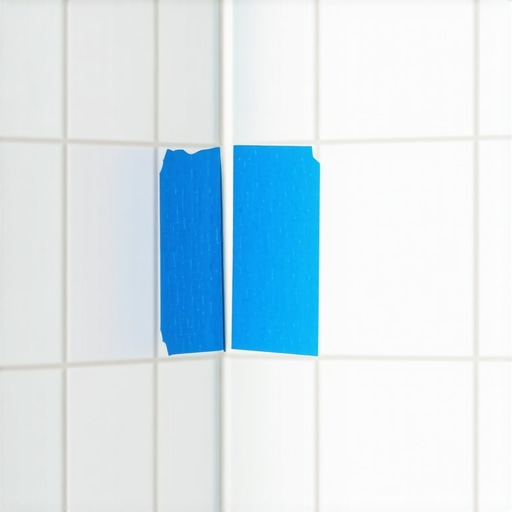
The Flashlight Test for Checking Shower Wall Waterproofing

The shadows never lie about your shower wall The flashlight test is a diagnostic method used to identify subfloor irregularities, wall plane deviations, and waterproofing membrane defects by casting a parallel light beam across the surface. This technique reveals planar issues that lead to grout cracking, efflorescence, and structural failure within the shower assembly. I […]

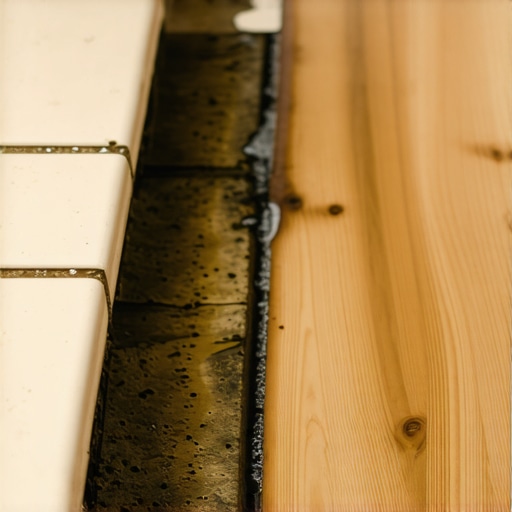
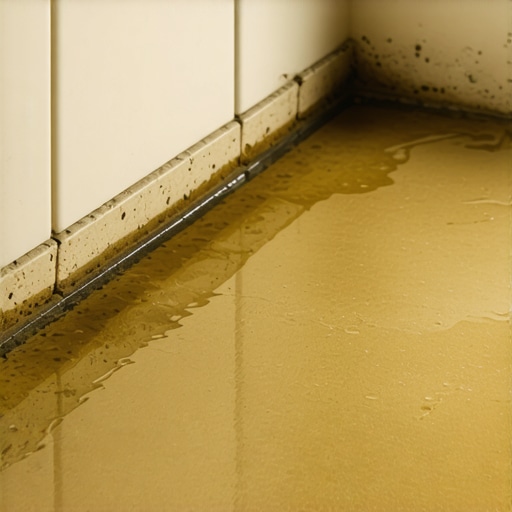
Why Your Bathroom Tiles Feel Loose Under Your Feet After Showers

The structural reality of a shifting bathroom floor Bathroom tiles feel loose after a shower because of excessive subfloor deflection or moisture ingress that compromises the bond between the tile and the substrate. High humidity levels and direct water contact can cause certain subflooring materials to expand, while improper thin-set application leads to hollow spots […]

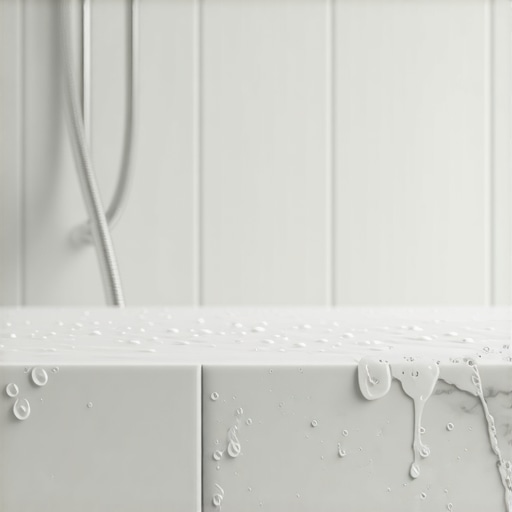
Why Your Shower Bench Must Always Slope Toward the Drain

The gravity trap in your bathroom Shower bench drainage requires a precise slope to prevent standing water from penetrating the grout joints and waterproofing membrane. Every horizontal surface in a wet area must maintain a minimum quarter-inch per foot pitch toward the floor drain to ensure the longevity of the structure and prevent mold growth. […]

Scroll to top