
Why your subfloor is lying to you
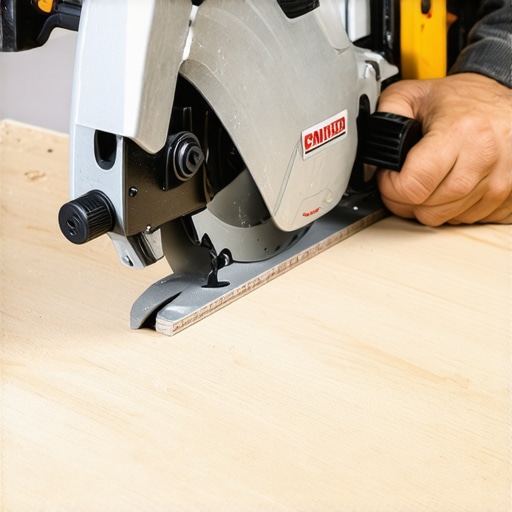
To get perfect 45-degree cuts on baseboards, you must first ensure the subfloor and wall intersection is square, use a digital protractor to find the actual angle, and utilize a high-tooth-count carbide blade. Most guys skip the leveling compound. They think the underlayment will hide the dip. It won’t. I spent three days grinding concrete on a job last month just so the floor wouldn’t click like a castanet. When you are dealing with hardwood floors or even laminate, the structural integrity of the base depends entirely on the plane of the floor. If the floor has a 1/8 inch dip at the wall, your miter joint will open at the top or bottom. It is a simple matter of physics. You cannot expect a straight piece of wood to sit flush against a curved surface. This is where most DIY projects fail before the saw even starts spinning. I have seen guys try to force it with a nail gun, but all that does is create tension that will eventually pull the grout out of adjacent tile or cause the wood to buckle. [image_placeholder_1]
The physics of the compound miter
The first thing you need to understand is that a 45-degree angle is a myth in residential construction. I have been in this game for 25 years and I have yet to find a house where the walls meet at a perfect 90-degree angle. Most are 89 or 91 degrees. If you cut your baseboard at exactly 45 degrees, you will have a gap. This is where the digital protractor becomes your best friend. You need to measure the angle of the corner, divide by two, and set your saw to that specific number. If the corner is 91 degrees, your cut needs to be 45.5 degrees. It sounds like a small difference, but in the world of professional finishing, half a degree is the difference between a masterwork and a hack job. I smell the oak dust and the machine oil every morning, and it reminds me that precision is the only thing that separates us from the builders who slap together cookie-cutter houses with no regard for the long-term movement of the materials.
“A floor is only as good as the subfloor beneath it; deflection is the enemy of every joint.” – Master Flooring Axiom
The ghost in the expansion gap
Expansion gaps are the most misunderstood aspect of floor installation because they require leaving a space that looks like a mistake to the untrained eye. When installing hardwood floors, you must leave at least a 1/2 inch gap at the perimeter. For laminate, it might be slightly less, but the principle is the same. Wood is a living material. It breathes. It expands when the humidity hits 60 percent and shrinks when the heater kicks on in November. If you pin your baseboards too tight against the floor, you are essentially locking the floor in place. Something has to give. Usually, it is the locking mechanism on the planks. I have walked into homes where the hardwood floors were cupping so bad they looked like potato chips. The reason was simple. The installer did not leave enough room at the walls, and the floor had nowhere to go but up. You need to nail your baseboards into the wall studs, not the floor. The baseboard should float just a hair above the flooring surface to allow for that natural movement.
When grout meets the baseboard line
The transition between wet areas like showers and dry flooring requires a specific approach to baseboard installation to prevent moisture wicking and mold growth. In bathrooms, especially near showers, you should never use MDF baseboards. MDF is basically a sponge made of sawdust and glue. Once it touches a drop of water, it swells and stays that way. For these areas, I always recommend solid PVC or at least a high-quality wood that has been back-primed. The grout lines in your tile should be sealed before the baseboard goes on. If you are running laminate up to a tiled area, the transition strip needs to be installed with a structural adhesive that can handle the shear force of people stepping on it every day. I once saw a job where the guy used grout to fill the gap between the tile and the baseboard. It cracked within a week because the house settled. Use a color-matched caulk instead. It stays flexible and handles the movement that grout cannot. [image_placeholder_2]
A comparison of trim materials
Choosing the right material for your baseboards is just as important as the cut itself. Different materials react differently to the blade and the environment. You need to know what you are working with before you pull the trigger on that miter saw. Below is a breakdown of the materials I see most often on the job site.
| Material | Stability | Difficulty to Cut | Moisture Resistance |
|---|---|---|---|
| Solid Oak | High | High | Medium |
| MDF | Low | Low | Very Low |
| Pine (Primed) | Medium | Medium | Low |
| PVC/Composite | Very High | Medium | High |
As you can see, solid oak is the gold standard for hardwood floors, but it is a bear to cut if your blade is dull. It will burn and smoke, leaving a black mark that you will have to sand out. Pine is a decent middle ground, but it has knots that can deflect a finish nail and send it flying out the side of the trim. PVC is great for the area around showers, but it feels like plastic because it is plastic. You have to decide what your priorities are before you start. Personally, I will take the oak any day. There is nothing like the smell of fresh-cut hardwood to start the day. It beats the chemical stench of MDF any time.
“Wood is a hygroscopic material that will expand and contract in response to changes in atmospheric humidity.” – NWFA Technical Manual
The checklist for a flawless finish
Before you even think about nailing that first piece of trim, you need to go through this list. If you miss one step, you are going to be back at the lumber yard buying more material. I have seen it happen a thousand times. Don’t be that guy.
- Check the moisture content of your wood trim with a pin-less meter.
- Acclimate the baseboards in the room for at least 72 hours.
- Clean the subfloor of all debris and dried grout chunks.
- Verify that your miter saw blade has at least 80 teeth for a clean finish.
- Mark your wall studs with a piece of tape so you know where to nail.
- Test your cuts on scrap pieces before moving to the long runs.
- Keep a damp rag handy to wipe away excess wood glue from the joints.
The chemistry of the bond
The secret to a miter joint that never opens up is the use of two-part cyanoacrylate glue combined with traditional wood glue. Many installers just use nails. Nails are not enough. The wood will eventually move. I use a bead of yellow wood glue on the main part of the miter and a few dabs of CA glue on the outer edges. The CA glue acts as a temporary clamp, holding the joint perfectly tight for the ten seconds it takes to set, while the wood glue provides the long-term structural bond. This is especially vital when you are working with hardwood floors that have high Janka hardness ratings. The denser the wood, the more it wants to fight the fasteners. You have to win the war of chemistry if you want the joints to stay tight for the next twenty years. If you are working near showers, make sure the adhesive is waterproof. You do not want the humidity to break down the bond and leave you with a gaping hole in your craftsmanship. [image_placeholder_3]
The final turn of the blade
At the end of the day, flooring and trim work is about discipline. It is about checking your level for the fifth time. It is about knowing that the grout in the bathroom is still curing and staying off the floor until it is ready. If you take the time to prep your subfloor and understand the physics of your miter saw, those 45-degree cuts will look like they were grown together. It is not magic. It is just the result of not taking shortcuts. I have spent my life on my knees on these floors, and I can tell you that the 1/8 inch you ignore today will be the 1/2 inch gap you regret five years from now. Treat the house with respect, and the materials will do what they are supposed to do. Forget the fancy “aesthetic” tips you see on television. Stick to the NWFA standards. Use your moisture meter. Keep your blades sharp. That is how you get a perfect finish. Every single time.