
The physics of wood restoration and the chemical reality of wax
I once walked into a house where a $15,000 wide-plank walnut floor was cupping so bad it looked like a potato chip because the installer didn’t check the crawlspace humidity. The homeowner thought they could just sand it down. They were wrong. The issue was not the surface but the structural failure of the environment. When you look at an old hardwood floor covered in decades of yellowed, gummy wax, you are not just looking at a cosmetic eyesore. You are looking at a complex layer of long-chain hydrocarbons that have bonded to the cellular structure of the wood. This is not a job for a weekend warrior with a bucket of soapy water. If you introduce water to a floor that has been sealed with wax for forty years, you are inviting a catastrophic failure of the grain. You must understand the chemistry of the bond before you attempt to break it.
The chemical betrayal of floor polish
To strip wax off your hardwood floors safely, you must use odorless mineral spirits or a dedicated chemical wax remover that does not introduce excessive water to the wood fibers. This process requires #0000 steel wool and a deep understanding of solvent evaporation rates. Avoiding water prevents grain raising and warping, ensuring the structural integrity of the planks remains intact for future refinishing. Most people reach for a mop, but in the world of professional flooring, water is a solvent that causes the wood cells to expand, which will trap the wax even deeper into the tracheids of the timber.
“A floor is only as good as the subfloor beneath it; deflection is the enemy of every joint.” – Master Flooring Axiom
The ghost in the expansion gap
Wood is a living material that never stops moving. It breathes. It reacts to the humidity in your home just like your skin does. When wax is applied year after year, it eventually migrates. It finds its way into the expansion gaps at the perimeter of the room and into the tongue-and-groove joins of the planks. This is where the real nightmare begins. If you use a liquid stripper that is too thin, it will carry the dissolved wax into these gaps. Once the solvent evaporates, the wax re-solidifies inside the joints. This creates a hidden friction point that will cause your floor to squeak and groan every time you walk across it. You are not just cleaning a surface. You are managing the mechanical tolerances of a structural system. You have to be precise.
Why your subfloor is lying to you
Before you even touch a bottle of mineral spirits, you need to know what is happening underneath the boards. I have seen guys spend three days stripping a floor only to have the whole thing buckle a month later because the subfloor was holding moisture. If your subfloor is concrete, the wax might be the only thing preventing the moisture from rotting the wood from the bottom up. Wax acts as a vapor retarder. When you remove it, you change the equilibrium moisture content of the wood. Always use a pin-type moisture meter to check the levels before and after stripping. If the moisture content jumps more than two percent during the process, you are working too wet. You are risking the floor’s life.
The microscopic reality of wax removal
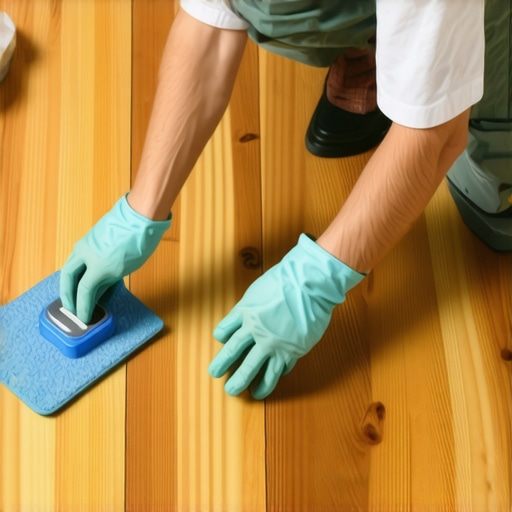
Removing wax is a mechanical and chemical dance. When you apply a solvent like mineral spirits, the molecules of the solvent insert themselves between the wax polymers. This breaks the secondary bonds of the wax, turning it back into a liquid state. But you only have a window of a few minutes before that solvent evaporates and the wax re-attaches to the wood fibers. This is why you work in small two-foot by two-foot sections. You apply the solvent, you agitate it with fine steel wool, and you wipe it away immediately with a clean cotton rag. If the rag comes away yellow, there is still wax. If it comes away clean, you have reached the wood. It is tedious. It is hard on the knees. But it is the only way to ensure the wood is clean enough to take a modern polyurethane or oil finish later.
| Wood Species | Janka Hardness | Porosity Level | Wax Absorption Rate |
|---|---|---|---|
| White Oak | 1360 | Medium | High |
| Brazilian Cherry | 2350 | Low | Low |
| Sugar Maple | 1450 | Low | Medium |
| Black Walnut | 1010 | High | High |
The 1/8 inch that ruins everything
Precision is the difference between a floor that lasts a century and one that ends up in a dumpster. When you are stripping near transitions, such as where the hardwood meets the grout of a tile entry or the base of a shower stall, you have to be extremely careful. Solvents can degrade the sealants used in showers or discolor the grout in your bathroom. I always tape off these areas with a high-quality painter’s tape and a plastic barrier. A single drop of wax stripper on a piece of laminate in the next room can melt the wear layer instantly. Laminate is just plastic and sawdust, it does not have the resilience of old-growth oak. You have to respect the boundaries of the materials.
A checklist for the professional restorer
- Odorless mineral spirits or a high-grade naphtha solvent.
- Professional grade #0000 steel wool pads.
- A mountain of clean, white cotton rags.
- A respirator with organic vapor cartridges.
- Chemical resistant gloves and knee pads.
- A moisture meter to monitor the wood’s health.
- A plastic scraper for heavy buildup areas.
The regional impact of humidity on wax hardening
If you are working in the swampy humidity of Houston, the wax on your floors is likely gummy and soft. It will clog your steel wool in seconds. You will need more rags than you think. However, if you are in the dry heat of Phoenix, that wax has likely baked into a brittle, glass-like shell. In dry climates, the wax can actually crack, allowing dust and grime to get underneath it. This creates an abrasive paste that acts like sandpaper every time someone walks across the room. In these conditions, you might need a slightly more aggressive solvent to break the heat-hardened bond. Always adjust your chemistry to the climate. The wood is already doing it, so you should too.
“Wood is hygroscopic, meaning it will gain or lose moisture until it is in equilibrium with the humidity and temperature of the surrounding air.” – NWFA Technical Manual
How 1950s maintenance ruins 21st century dreams
The biggest problem we face today is the legacy of paste wax. Back in the day, people would wax their floors every month. They thought they were protecting them. In reality, they were building up a thick, uneven shell that traps dirt. Modern finishes like water-based polyurethanes will not stick to wax. Even a microscopic trace of wax will cause a finish to fish-eye or peel. This is why the stripping process is so critical. You cannot sand wax. If you put a drum sander on a waxed floor, the heat of the friction will melt the wax and drive it deep into the grain, making it nearly impossible to ever get a new finish to bond. You have to chemically strip it before you ever think about mechanical sanding.
The hidden danger of mineral spirits
While mineral spirits are the safest choice for the wood, they are not without risks to the human doing the work. These are volatile organic compounds. They are flammable. They require constant ventilation. You should never strip a floor in a sealed room. I have seen guys pass out because they thought an open window was enough. You need cross-ventilation and a proper respirator. Also, the rags you use are a fire hazard. As the solvent evaporates from the rag, it generates heat. If you pile those rags in a corner, they can spontaneously combust. Always submerge your used rags in a bucket of water and dispose of them according to local hazardous waste regulations. Your floor is important, but your house staying upright is more important.
Why mechanical abrasion fails where chemistry succeeds
Some people try to use green scrub pads or heavy-duty sandpaper to remove wax. This is a mistake. Wax is a lubricant. When you try to sand it, the wax fills the grit of the paper immediately. You end up just sliding over the surface, generating heat and smear. Chemistry is the only way to lift the wax out of the grain. By using a solvent, you are suspending the wax particles in a liquid that can then be absorbed by your rag. It is a transfer of matter, not just a displacement of it. This is why the quality of your rags matters. If you use cheap, polyester rags, they will not absorb the wax. You need 100 percent cotton. The capillary action of the cotton fibers is what actually pulls the wax away from the wood.