
I still vividly remember the moment I stepped into my bathroom after a long week, only to find a small puddle of water seeping beneath the shower door. It was like a punch to the gut. That tiny leak turned into a full-blown nightmare, with mold creeping in and the floor feeling soggy every time I stepped in. It hit me then—waterproofing isn’t just about aesthetics; it’s about protecting your home and peace of mind.
Why Waterproofing Your Bathroom Matters More Than Ever
Bathrooms are high-humidity zones, and if the grout and sealants aren’t up to the task, water will find a way in—leading to costly repairs and health hazards. I learned this the hard way early on, making the mistake of trusting cheap sealants that seemed fine at first, but quickly failed. That experience pushed me to do my homework and discover the real deal—trusted grout sealants and shower sealants that deliver lasting waterproofing.
Today, I want to share what I’ve uncovered. Whether you’re renovating or just trying to extend the life of your existing bathroom, understanding the best products and techniques can save you headaches down the road. I’ll guide you through the essentials, including how to choose the right sealants, application tips, and common pitfalls to avoid. Trust me, a little knowledge can make a world of difference.
Is the hype around grout sealants actually worth it?
I used to think all sealants were the same—until I made a costly mistake. Early on, I bought a cheap grout sealer that promised long-lasting waterproofing but faded within months. It was frustrating and wasteful. After digging into the science and reading expert reviews, I found that not all sealants are created equal. For lasting results, you need products specifically designed for durability and resistance to mold and moisture. For example, I now swear by products listed in trusted grout sealants that truly deliver on their promises.
If you’ve ever faced the disappointment of a sealer that failed prematurely, you’re not alone. The key is selecting the right product and applying it properly, which I’ll cover in the upcoming sections. Stay tuned—your bathroom’s waterproof future depends on it!
}
Select the Right Sealant for Your Bathroom
Think of choosing a sealant like picking the right armor for a knight — it must be strong, durable, and suited for the specific battle. I recommend starting with trusted products listed in trusted grout sealants that have proven resistant to mold and moisture. Skip the cheap options; they’re like paper armor that fails at the first splash.
Prepare the Surface Properly Before Application
Preparation is everything, like sharpening a sword before a duel. I once rushed into sealing my shower without cleaning thoroughly, which led to poor adhesion and quick failure. Remove any dirt, soap scum, or old sealant using a stiff brush and a cleaning agent suitable for tiles. Allow the surface to dry completely — moisture is the enemy here. For detailed cleaning tips, check expert grout sealing tips.
Apply the Sealant Using a Consistent Technique
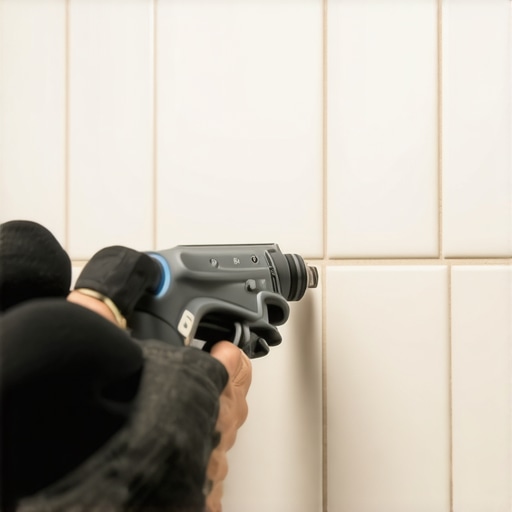
Applying sealant is like icing a cake — smooth and even coverage yields the best results. Use a caulking gun for precision and steady pressure. Cut the tip at a 45-degree angle to control flow. Squeeze slowly along the grout lines, maintaining a steady hand. If you notice gaps or unevenness, smooth the sealant with a damp finger or a smoothing tool immediately. I remember a time I applied too much, creating a mess; carefully removing excess with a damp cloth saved me from a sticky cleanup.
Allow Proper Curing Time for Maximum Effectiveness
Patience is key. Most sealants require at least 24 hours to cure fully. During this period, avoid using the shower or exposing it to water. Think of it like letting glue dry; rushing it weakens the bond. For best durability, follow the specific curing instructions on your product’s label. After curing, test the seal by gently spraying water on the lines — if beads up and rolls off, you’re good to go. For ongoing maintenance, see trusted maintenance tips.
Regular Inspection and Maintenance Keep Your Bathroom Waterproof
Don’t forget to periodically check your sealed areas for cracks or wear. Address minor issues immediately to prevent bigger problems. Cleaning grout and sealant residues with gentle solutions also helps maintain their waterproof properties. For detailed cleaning routines, visit expert cleaning tips.
Many homeowners fall prey to misconceptions about waterproofing, often leading to costly mistakes. Let’s dig deeper into what most people get wrong and how to avoid these pitfalls.
Why Cutting Corners on Sealants Can Backfire
It’s tempting to opt for inexpensive sealants, thinking they’ll do the job just as well. However, the truth is, not all sealants are created equal. Cheap products often lack the necessary resistance to mold, moisture, and wear over time. This can result in sealant failure within months, causing water to seep behind tiles and leading to hidden damage. Investing in trusted grout sealants listed in trusted grout sealants is a small price to pay for long-term peace of mind. Remember, the initial savings can turn into a major expense if water damage occurs.
Beware of DIY Shortcuts During Application
Many assume that applying sealant is a quick task that doesn’t require attention to detail. This misconception can lead to uneven coverage, missed grout lines, or improper curing. Using a steady hand and applying sealant in thin, even layers is paramount. Skipping preparation steps, like thorough cleaning and drying, can also compromise adhesion. For expert tips on ensuring perfect application, check professional advice here.
How Advanced Moisture Traps Can Sabotage Your Efforts
Even with proper sealing, moisture can still find its way in if hidden issues exist. For example, vapor barriers or improperly installed shower pans can trap moisture behind tiles, creating a breeding ground for mold and damage. This is a nuance that many overlook. Ensuring your shower’s waterproofing system includes adequate vapor barriers and proper sloping can prevent these problems. According to expert research, addressing these hidden moisture paths is crucial for durable waterproofing as detailed here.
Ever Wonder Why Some Waterproofing Fails Over Time?
The key lies in understanding that waterproofing isn’t a one-time fix. It’s an ongoing process that requires regular inspections and maintenance. Small cracks or wear can develop unnoticed, especially in high-traffic areas. Regularly inspecting grout lines and resealing when necessary can extend the life of your waterproofing. Remember, even the best sealants need touch-ups over time. For maintenance tips, visit trusted maintenance guides.
Have you ever fallen into this trap? Let me know in the comments. Understanding these nuances can save you thousands in future repairs and keep your bathroom safe and beautiful for years to come.
Keep It Working: Tools I Trust for Waterproofing Maintenance
Maintaining the waterproofing in your bathroom is an ongoing process that benefits greatly from the right tools. Over the years, I’ve tested various equipment to ensure my bathroom remains leak-proof and mold-free, and I want to share my top recommendations. These tools not only make the job easier but also help extend the lifespan of your waterproofing efforts.
Precision Caulking Gun for Seamless Application
I personally swear by a high-quality, adjustable caulking gun, such as the Milwaukee M18 Cordless Caulk & Adhesive Gun. Its cordless design reduces fatigue during large sealing projects, and the adjustable pressure control allows for smooth, even bead application. Proper caulking ensures no gaps or uneven sealant layers, which is critical for long-term waterproofing. Investing in a reliable gun prevents uneven application and reduces waste, making it a cost-effective choice in the long run.
Fine-Tip Applicator for Detail Work
For tight corners and grout lines, a fine-tip applicator or a detail brush is indispensable. I prefer silicone tools over plastic ones because they mold better to the surface, ensuring complete coverage. Using these tools helps me avoid missed spots and ensures that the sealant bonds properly to all surfaces, which is vital for durability.
Moisture Meter to Detect Hidden Problems
One of my secret weapons is a reliable digital moisture meter. This device allows me to check the moisture levels behind tiles or under flooring, especially after repairs or if I suspect hidden leaks. Early detection of excess moisture can prevent mold growth and structural damage, saving money and hassle down the line. I recommend models like the Extech MO55 for accurate readings and ease of use.
Cleaning Tools for Surface Preparation
Before sealing, proper cleaning is non-negotiable. I use a combination of stiff-bristled brushes and a high-pressure steam cleaner to remove soap scum, mold, and old sealant residues. These tools ensure the surface is pristine, which is essential for adhesion. For stubborn grime, a solution of baking soda and vinegar works wonders—just be sure to rinse thoroughly and let surfaces dry completely.
Future Trends in Waterproofing Maintenance
Looking ahead, I believe automation and smart home integration will play a bigger role in waterproofing. Imagine using moisture sensors connected to your phone to alert you of leaks or areas that need resealing. As technology evolves, staying ahead with these innovations can simplify maintenance and prevent costly repairs.
How do I keep my waterproofing system in top shape over time?
The key is regular inspections, cleaning, and timely resealing. I recommend setting a routine—at least once a year—to check grout lines with a moisture meter, clean surfaces thoroughly, and reapply sealant in any areas showing signs of wear. Using trusted products and the right tools makes this process efficient and effective. For detailed maintenance routines, visit trusted maintenance tips.
Don’t forget, the more proactive you are, the longer your bathroom will stay dry, safe, and beautiful. Try incorporating a digital moisture meter into your routine—you might be surprised how much it helps catch issues early before they become major problems.
The Hardest Lesson I Learned About Bathroom Waterproofing
One of my biggest surprises was realizing that even the best sealants need regular attention. I once thought a good sealant was enough, but over time, I learned that ongoing maintenance is what truly keeps water out. Catching small cracks early can save thousands in repairs later.
My Essential Toolkit for Bathroom Waterproofing
From high-quality caulking guns to moisture meters, these tools have transformed my approach. A reliable digital moisture meter helped me detect hidden leaks before they became disasters. Plus, a steady hand with my trusted grout sealant ensured my bathroom stayed dry for years.
Don’t Wait for a Leak to Act
Proactive maintenance is everything. Regular inspections, resealing grout lines, and using quality products are investments in your home’s safety. Remember, waterproofing isn’t a one-time fix but a continuous effort. Incorporate these habits, and your bathroom will remain a safe haven against water damage.