
I once walked into a house where a $15,000 wide-plank walnut floor was cupping so bad it looked like a potato chip because the installer did not check the crawlspace humidity. The homeowner was desperate. They wanted to sand it flat. I took one look at the heat register and saw the tongue. There was nothing left to sand. It was a heartbreaker. That walnut was now just expensive firewood. This is the reality of wood flooring that many people ignore. A floor is not an infinite resource. It is a structural element with a finite lifespan dictated by the thickness of the wood remaining above the tongue and groove joint.
The reality of the wear layer
Determining if your hardwood is thick enough for sanding requires measuring the wear layer which is the portion of the wood sitting above the tongue and groove connection. A standard three quarter inch solid wood floor typically has a five sixteenths inch wear layer. If this layer is less than one eighth of an inch sanding is dangerous and likely to cause structural failure. You have to understand the physics of the board. Wood is a living material. It breathes. It moves. When you strip away the top layer you are reducing the mechanical strength of the entire system. I have seen guys try to sand a floor that was already too thin. The drum sander just eats right through to the void of the tongue. Suddenly you have holes in your floor and a very expensive replacement project on your hands. The wear layer is your safety net. Once it is gone the floor is done.
“A floor is only as good as the subfloor beneath it; deflection is the enemy of every joint.” – Master Flooring Axiom
The telltale signs of a dying floor
Identifying a floor that has reached its limit starts with a visual inspection of the perimeter. Look at the edges where the wood meets the baseboards or the transitions to other rooms. Often you can see the profile of the wood there. If you see the top of the groove or the metal of a floor nail you are in trouble. This is a clear indicator that the wood has been sanded multiple times over the decades. I look for the ghost of the previous sander. If the wood looks transparent or if you can see the fastener heads peeking through like little silver eyes stop immediately. You cannot sand steel nails with a wood sander without creating sparks and ruining your paper. It is a sign of a floor that has been loved to death. Every pass of a drum sander with thirty six grit paper removes roughly a thirty second of an inch. Do that four or five times and you are out of wood. It is simple math. It is also a matter of cellular integrity. The deeper you go the closer you get to the pith and the less stable the wood becomes.
Measuring the meat of the wood
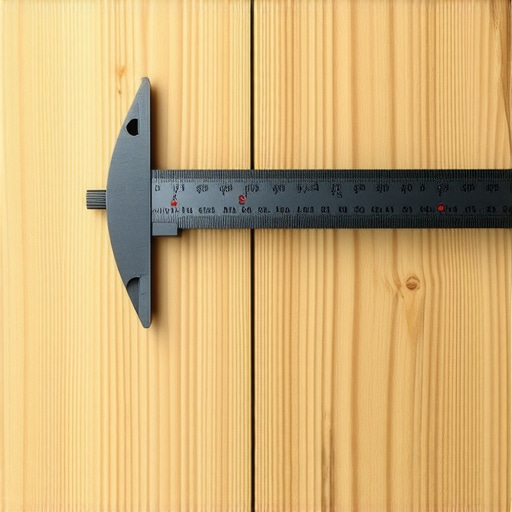
You do not need to rip up a board to check the thickness. Use the vents. Pull up a floor register and look at the cross section of the wood. This is the most honest view you will ever get of your floor. Take a ruler or a pair of calipers. Measure from the top surface down to the top of the tongue. If that measurement is less than three thirty seconds of an inch you are done. There is no magic trick to create more wood. Some people think they can just use a lighter grit. They think a buff and coat will save them. While a screen and coat can refresh the finish it will not fix the deep scratches or the cupping that requires a full sand. If you do not have a vent you can carefully remove a piece of transition molding or base shoe. This reveals the edge of the boards. I have spent hours in old Victorian homes doing this. You have to be a detective. You are looking for the history of the house written in the grain of the oak.
| Wood Species | Janka Hardness | Max Sanding Cycles | Acclimation Time |
|---|---|---|---|
| Red Oak | 1290 | 5 to 7 | 10 to 14 Days |
| White Oak | 1360 | 5 to 7 | 10 to 14 Days |
| Hard Maple | 1450 | 4 to 6 | 14 to 21 Days |
| Black Walnut | 1010 | 3 to 5 | 14 Days |
| Cherry | 950 | 3 to 5 | 14 Days |
The mechanics of drum sanding
The process of sanding is aggressive. We are talking about a heavy machine with a belt spinning at high speeds. It is designed to flatten. If the subfloor has any deflection the sander will hit the high spots harder than the low spots. This is why levelness is more important than being plumb. In the humid environments of places like New Orleans or the coastal regions of Florida the wood might be expanded to its limit. If you sand a cupped floor flat while it is wet you are in for a surprise. When the wood dries out and shrinks the floor will crown. It will humped up in the middle of each board. This is why moisture testing is not optional. I use a pin meter to check the core of the wood. If the moisture content is more than four percent different from the subfloor you do not touch it. You wait. You let the HVAC system do its job. You let the wood reach equilibrium. Patience is the mark of a master. Speed is the mark of a hack.
Structural integrity and the subfloor bond
A floor is a system. It is not just the wood you walk on. It is the fasteners and the subfloor and the joists. When the wood gets thin the fasteners lose their grip. The staple or nail is driven into the tongue. If the wood above that tongue is thin the tongue becomes brittle. It will snap. This is when you start hearing the floor talk to you. The squeaks and the pops are the sound of the floor failing. Every time you walk across it the boards rub together because they are no longer held tight. No amount of finish will fix a mechanical failure. I have seen people try to inject glue or use trim screws to stop the noise. It is a temporary fix. If the wood is too thin the structural integrity is gone. This is why the National Wood Flooring Association has strict guidelines. They know that a thin floor is a dangerous floor. It can splinter. It can fail under the weight of heavy furniture like a piano or a large bookshelf.
- Check the floor registers for a side profile view.
- Inspect the gap between the wood and the baseboard.
- Look for visible nail heads or staples in the field.
- Use a business card to feel the depth of the tongue in a gap.
- Perform a moisture test to ensure the wood is stable.
- Verify the subfloor thickness and material type.
The moisture factor and wood expansion
Wood is hygroscopic. It attracts water. In the dry winters of the Midwest the wood will shrink. In the humid summers it will expand. This cycle of expansion and contraction puts stress on the tongue and groove. If you have already sanded the floor three times the wood is less able to resist these forces. It becomes more prone to cracking along the grain. I have worked on jobs in Phoenix where the air is so dry the wood literally pulls itself apart. If the wood is thin those cracks will go all the way through the board. You are no longer looking at a floor. You are looking at a series of loose sticks. This is why I always check the relative humidity of the room before I even bring the sander in. If the house is not climate controlled the floor is a ticking time bomb. You need to maintain a consistent environment to keep that wood stable. This is especially true for wide plank floors which have more surface area to react to the air.
“A floor is only as good as the subfloor beneath it; deflection is the enemy of every joint.” – Master Flooring Axiom
The final verdict for your flooring investment
If you find that your floor is too thin you have a choice. You can leave it alone and live with the character of the scratches and dents. Or you can replace it. Some people try to hide the thin spots with rugs. Others try to use a floor leveler and go over the top with a laminate or a luxury vinyl plank. But if you love the look of real wood there is no substitute. Just remember that once the wear layer is gone you are walking on the structural skeleton of the floor. It was never meant to be a finished surface. Take care of your wood. Do not sand it just because you want a different color. Sand it because it needs it. Treat every millimeter of that oak or maple like the precious resource it is. When you respect the wood it will last a hundred years. When you treat it like a disposable commodity it will fail you in ten. That is the hard truth from someone who has seen the best and the worst of the flooring world. Keep your moisture in check. Keep your sander level. And always measure twice because you can only sand it once too many times.