
Have you ever stepped into your bathroom only to notice a tiny leak that slowly turned into a major headache? I remember the moment I realized my shower wasn’t as waterproof as I thought it was. Water had seeped behind the tiles, causing mold and damage that cost me more than I’d like to admit. It was a lightbulb moment that made me rethink how I approach bathroom waterproofing. Since then, I’ve learned that investing in trusted waterproofing solutions, especially sealants and sealants, can be a game-changer for durability and peace of mind.
Why Waterproofing Matters More Than Ever
Bathrooms are one of the most vulnerable spaces in a home when it comes to water exposure. Over time, even the tiniest cracks in grout or sealants can lead to leaks. These leaks don’t just cause cosmetic issues—they can weaken your structure, promote mold growth, and lead to costly repairs. According to a recent study, water damage in bathrooms accounts for a significant percentage of home insurance claims, often costing thousands to fix. That’s why proper waterproofing isn’t just an option; it’s essential for long-term durability.
Have you faced this frustrating problem yet?
If you’re like me, you might have overlooked the importance of quality sealants or thought a quick fix would do. Early on, I made the mistake of ignoring the importance of trusted sealants, thinking all products were the same. But cheap sealants failed within months, leaving me back at square one. That’s why I want to share what I’ve learned about choosing reliable waterproofing solutions that really stand the test of time. Curious about how to avoid these mistakes? Stay tuned, because the next steps can save your bathroom—and your wallet.
For a comprehensive understanding of how to properly waterproof your shower, check out the ultimate guide to shower waterproofing sealants. It’s packed with expert tips and product recommendations that can help you make informed decisions and keep water where it belongs: outside your walls.
Prep Your Surface Like a Pro
Before applying any waterproofing sealant, ensure your surfaces are clean, dry, and free of debris. I remember the first time I tried to seal my shower without cleaning the grout thoroughly; the sealant didn’t adhere properly, leading to leaks. To avoid this, use a high-quality grout and tile cleaner (check out trusted grout and tile cleaning tips) to remove dirt, soap scum, and old sealant residues. Once cleaned, let everything dry completely—this prevents moisture from weakening the sealant bond.
Choose the Right Sealant for Durability
Not all sealants are created equal. For a bathroom that stands up to daily moisture, opt for high-quality, water-based silicone or polyurethane sealants designed specifically for wet environments. I once used a cheap, generic sealant on my bathtub and watched it peel within months. The secret is selecting products labeled for bathroom use, with proven water resistance. For additional protection, consider sealants that contain antimicrobial agents to inhibit mold growth, which is a common issue in bathrooms. Want to find the best options? Review our top-rated grout and shower sealants for lasting waterproofing.
Apply Sealants with Precision
Application technique matters just as much as product choice. Use a caulking gun for even, controlled application along seams, joints, and edges. When I sealed my shower, I carefully ran a steady bead of sealant along the grout lines, then smoothed it out with a damp finger or a sealant finishing tool. This process prevents air pockets and ensures a tight seal. Remember, don’t rush—excessive application can lead to messy finishes or seepage. For detailed tips, visit trusted waterproofing tips.
Let the Sealant Cure Properly
Patience is key. Allow the sealant to cure for at least 24 hours before exposing it to water or moisture. I learned this the hard way when I tested my newly sealed shower after just a few hours and noticed leaks. Proper curing ensures the sealant forms a strong, flexible barrier. During this time, avoid touching or cleaning the area to prevent disrupting the bond. For more detailed curing times and maintenance advice, check out expert waterproofing advice.
Regular Maintenance to Extend Sealant Life
Even the best sealant needs regular upkeep. Clean your shower surfaces with non-abrasive cleaners and reapply sealants when you notice cracks or deterioration. I schedule a quick inspection every six months to spot early signs of wear, which has saved me costly repairs down the line. For comprehensive maintenance practices, explore trusted shower waterproofing maintenance tips.
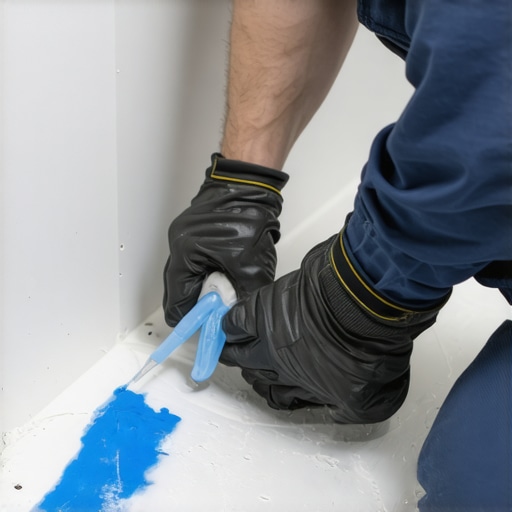
Many homeowners believe that applying a basic sealant once is enough for long-term waterproofing, but this is a misconception. In reality, waterproofing is an ongoing process that requires attention to detail and understanding of the nuances involved. One of the most common myths is that all sealants are created equal. However, as I learned through personal experience, choosing the wrong type of sealant—especially those not specifically designed for bathrooms—can lead to premature failure. For example, using a generic silicone that isn’t formulated for high-moisture environments often results in peeling or cracking within months, exposing your bathroom to water damage.
Another mistake I see frequently is neglecting proper surface preparation. It might seem trivial, but if the surfaces are not thoroughly cleaned and dried, even the best sealant will struggle to adhere properly. This oversight can cause leaks that are difficult to detect early, leading to mold growth, structural damage, and costly repairs down the line. For a thorough cleaning, I recommend trusted grout and tile cleaning tips to ensure your surfaces are free of soap scum, dirt, and old sealant residues—check out trusted grout and tile cleaning tips.
Why does sealing technique and curing matter for durability?
Many DIY enthusiasts make the mistake of rushing the sealing process or not allowing the sealant to cure fully. I’ve learned that a proper application involves running a controlled bead of sealant along seams using a caulking gun, then smoothing it out with a damp finger or a finishing tool. More importantly, I always give the sealant at least 24 hours to cure before exposing it to moisture. Skipping this step can compromise the entire waterproofing effort, leading to seepage and damage over time. For detailed tips on application and curing, see trusted waterproofing tips.
Lastly, many overlook the importance of regular maintenance. Sealants aren’t a one-and-done solution. Cracks and deterioration can develop over time, especially in high-moisture areas. Regular inspections and reapplication of sealant at the first sign of wear can extend the lifespan of your waterproofing system considerably. For a comprehensive approach, explore trusted shower waterproofing maintenance tips.
Have you ever fallen into this trap? Let me know in the comments. Taking these advanced precautions can save you from costly repairs and ensure your bathroom stays dry and durable for years to come.
Maintaining effective waterproofing in your bathroom requires more than just the right sealants; it demands the right tools and a disciplined approach. Over the years, I’ve refined my toolkit to ensure that every application and inspection is precise, durable, and efficient. In this post, I’ll share the specific tools I rely on and why they make a difference in keeping your waterproofing system working flawlessly.
Why a Quality Caulking Gun Is Non-Negotiable
First and foremost, I swear by a high-quality, ergonomic caulking gun. It allows me to control the bead of sealant with precision, avoiding uneven application that can leave gaps or air pockets. I prefer the manual, ratchet-style guns because they give me better tactile feedback, which is crucial when sealing seams in tight spaces. Investing in a durable caulking gun reduces waste and makes reapplication easier, saving both time and money in the long run. For best results, I always choose a gun with a smooth trigger and a non-slip grip.
Precision Smoothing Tools Make the Difference
Once the sealant is applied, I use a dedicated sealant finishing tool—often a small, flexible plastic spatula—to smooth out the bead. This ensures a tight, even seal and helps prevent air pockets that compromise waterproofing. I keep a few different sizes on hand to match the width of the joints I’m working on. A damp finger can work in a pinch, but a proper smoothing tool delivers consistent results every time, especially in hard-to-reach corners.
Power Cleaners and Surface Prep Equipment
Preparation is key, so I rely on a high-powered, handheld grout and tile cleaner. My favorite is a cordless, oscillating cleaner that can reach into grout lines and remove dirt or old sealant residues thoroughly. A clean, dry surface is essential for sealant adhesion, and investing in quality cleaning tools saves me from future water damage repairs. For stubborn stains, I use a small wire brush attachment, which is gentle yet effective at removing debris without damaging tiles.
Inspection and Cure Monitoring Gadgets
To ensure my waterproofing lasts, I also use a simple moisture meter. This gadget helps me verify that surfaces are fully dry before application and that curing is complete afterward. It’s a small investment that prevents premature exposure to water, which can cause sealant failure. Regular checks with a moisture meter have helped me catch issues early, avoiding costly repairs down the line.
Looking Ahead with Advanced Maintenance Strategies
As waterproofing technology advances, I predict that smart sensors capable of monitoring moisture levels in real-time will become standard in bathroom maintenance. These devices could alert homeowners to leaks or dampness long before visible signs appear, revolutionizing how we keep our bathrooms dry and safe. To stay ahead, I recommend trying out a moisture meter as a practical first step in your maintenance routine.
Remember, the right tools are fundamental to maintaining your waterproofing system effectively. For more detailed techniques on surface prep and sealant application, explore trusted waterproofing tips. Using these tools consistently will help you extend the lifespan of your waterproofing, saving you money and stress in the future. Don’t hesitate—invest in quality tools today and give your bathroom the protection it deserves!
When it comes to bathroom waterproofing, the lessons I’ve learned through personal experience have been invaluable. These insights go beyond basic tips and dive into what truly makes a difference in long-term durability and peace of mind.
The Hardest Lesson I Learned About Waterproofing
One of my most significant lightbulb moments was realizing that surface preparation is everything. Skipping thorough cleaning and drying of tiles and grout before sealing led to early sealant failure and costly repairs. I now understand that investing time in proper cleaning, using trusted grout and tile cleaning tips, pays off in enduring waterproofing results.
Three Myths About Shower Sealants That Held Me Back
I used to believe that all sealants were created equal and only needed a quick application once. The truth is, high-quality, bathroom-specific sealants with antimicrobial properties last longer and resist mold better. Also, I thought that a single application was enough—regular inspections and reapplications are essential for ongoing protection.
What Experts Won’t Tell You About Curing and Application
Patience is crucial. I used to rush the sealing process, only to find my efforts compromised. Running a controlled bead of sealant with a proper caulking gun and smoothing it carefully, then allowing at least 24 hours to cure, makes all the difference in creating a reliable barrier against water.
Curated Resources for Waterproofing Success
To enhance my waterproofing routine, I rely on specific tools and guides. For instance, a high-quality caulking gun with a smooth trigger helps me control application precisely. A cordless grout and tile cleaner ensures surfaces are perfectly prepared before sealing. The trusted waterproofing tips from industry experts have been my go-to resource for ongoing maintenance strategies, keeping my bathroom dry and damage-free.
Step Up Your Waterproofing Game Today
Implementing these insider lessons and using the right tools can dramatically extend the lifespan of your bathroom waterproofing system. Remember, maintenance isn’t a one-time task but an ongoing commitment to protect your home.
What’s the most unexpected lesson you’ve learned about waterproofing? Share your story below—I’d love to hear your experiences!