
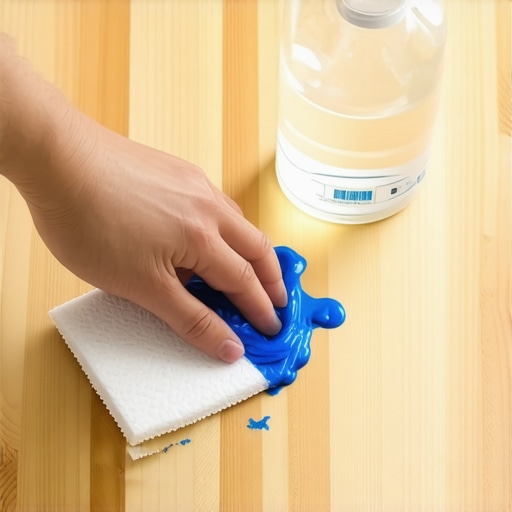
The ink stain that almost cost five grand
Homeowners always ask why their waterproof vinyl or high end laminate is buckling or staining. Usually, it is because they treated a high performance surface like a cheap piece of plastic. I once walked into a house where a homeowner had panicked over a permanent marker leak on a brand new wide plank laminate install. They used a scouring pad and a heavy degreaser. By the time I arrived, the ink was gone, but so was the entire aluminum oxide wear layer. The floor looked like a mangled mess of white haze. That five thousand dollar floor was ruined because they did not understand the chemistry of the surface. You do not need abrasives. You need a targeted solvent that respects the resin matrix of the floor. Rubbing alcohol is that solvent, provided you understand the physics of the application. It will work. But if you do it wrong, you are looking at a full plank replacement that will never quite match the rest of the room.
The molecular reality of the laminate wear layer
Laminate flooring is a marvel of engineering that people often mistake for simple wood. It is a multi layered composite. At the base, you have a high density fiberboard or HDF core. This core is basically wood flour compressed under extreme pressure with resin. On top of that is the decorative paper, which gives you the oak or hickory look. The real hero is the top layer, which is a transparent melamine resin infused with aluminum oxide crystals. Isopropyl alcohol works as a solvent because it breaks the chemical bonds of the ink without dissolving the melamine resin or the aluminum oxide armor. This specific balance is what makes it the preferred tool for professional installers. If you use something stronger like acetone, you risk softening the plasticizers in the wear layer. That leads to a permanent loss of sheen. Stick to rubbing alcohol because its evaporation rate is high enough to prevent it from soaking into the HDF core through the seams.
“A floor is only as good as the subfloor beneath it; deflection is the enemy of every joint.” – Master Flooring Axiom
The chemistry of a ninety one percent solution
When you head to the cabinet to grab your bottle of alcohol, the percentage matters more than you think. You will usually find seventy percent or ninety one percent isopropyl alcohol. For ink removal on laminate, the higher concentration is actually safer. The remaining percentage in the bottle is mostly water. Water is the natural enemy of the HDF core. If you use a lower concentration, you are introducing more moisture to the surface than necessary. Ninety one percent alcohol dissolves the ink faster and evaporates almost instantly. This prevents the liquid from sitting in the bevels or the click lock joints. If liquid gets into those joints, the fiberboard swells. Once HDF swells, it never goes back down. You get what we call peaked seams. That is a structural failure that no amount of cleaning can fix. Always opt for the highest concentration of alcohol to ensure the fastest dry time possible.
Why your subfloor determines the stain risk
You might wonder what the subfloor has to do with an ink stain on the surface. It comes down to structural movement. If your subfloor is not level, specifically within the industry standard of one eighth of an inch over a ten foot span, the planks will flex as you walk on them. This constant vertical movement creates micro gaps in the locking mechanism. When you spill ink or a liquid cleaner on a floor with these micro gaps, the liquid is pulled into the joint by capillary action. Once the ink reaches the raw fiberboard edges of the plank, it is game over. The ink will bleed into the wood fibers under the wear layer where no amount of rubbing alcohol can reach it. This is why I spend three days grinding concrete or screwing down plywood before I ever pull a plank out of a box. A level floor stays tight. A tight floor keeps the ink on the surface where it can be cleaned.
Tactical steps for permanent ink extraction
To remove the ink without damaging the finish, you must follow a strict protocol. The first step is to apply the alcohol to a white microfiber cloth rather than pouring it directly onto the floor. This gives you control over the volume of liquid. Secondly, you must blot the stain starting from the outside edges and moving inward to prevent the ink from spreading. Thirdly, you must wipe the area with a damp water cloth immediately after the ink is gone to neutralize any residue. Finally, you must dry the area with a fresh towel. Never use a circular scrubbing motion. That creates heat through friction, which can glaze the resin and leave a shiny spot that will catch the light every time you walk by. Patience is the tool of a master. Speed is the tool of the person who ends up calling me for a repair estimate.
| Flooring Type | Wear Layer Material | Solvent Resistance Rating |
|---|---|---|
| Standard Laminate | Melamine Resin | High |
| Commercial Laminate | Aluminum Oxide | Very High |
| Solid Hardwood | Polyurethane / Oil | Moderate |
| Luxury Vinyl Plank | Urethane / PVC | High |
The ghost in the expansion gap
The biggest mistake I see during any cleaning or repair is the neglect of the perimeter expansion gap. Every floating laminate floor needs at least a quarter inch of space against the walls. If you are cleaning near the baseboards and you flood the area with alcohol or water, the liquid will run right into that gap. Underneath the baseboard, the HDF core is exposed. There is no wear layer on the edges. If the alcohol gets back there, it can dissolve the adhesive used in some transition strips or soak into the drywall. I always tell my apprentices to treat the edges of the room like a cliff. You do not want anything falling over that edge. If the ink is near the wall, use a Q-tip. It allows for surgical precision and keeps the solvent away from the structural perimeter.
Hardwood floors and the risk of solvent damage
If you have hardwood floors mixed in with your laminate, do not assume the alcohol trick is universal. Solid oak or maple is typically finished with a polyurethane or a site finished oil. Rubbing alcohol can be a disaster on these surfaces. It acts as a solvent for many older floor waxes and can cloud a water based poly finish. On a site finished hardwood floor, the ink might have already penetrated the grain if the finish is thin. Laminate is non porous, which is why the alcohol works so well. Hardwood is a biological material that breathes and absorbs. If you have an ink spill on wood, you are likely looking at a screen and coat job or a localized sanding. This is why I prefer the durability of a high AC rated laminate for home offices where pens are a constant threat. The surface is just tougher.
Grout and tile challenges with ink spills
Comparing laminate to tile is like comparing a tank to a sports car. If you spill ink on a tiled surface, the ceramic or porcelain is usually safe. The grout is the vulnerability. Grout is essentially a sand and cement sponge. If ink hits unsealed grout, it is deep in the crystalline structure within seconds. You can try rubbing alcohol there, but it will likely just pull the ink deeper. In those cases, I usually recommend a specialized grout cleaner or a steam treatment. If the ink is on the tile itself, you can be much more aggressive with your solvents than you can with laminate. You could use acetone or even a razor blade on porcelain. Try that on laminate and you will be shopping for a new floor by the weekend.
Why your subfloor is lying to you
Most guys skip the leveling compound. They think the underlayment will hide the dip. It won’t. I spent three days grinding concrete on a job last month just so the floor wouldn’t click like a castanet. If you have a dip in the floor, the laminate planks will bounce. That bounce causes the joints to rub against each other. This friction wears down the wax coating that manufacturers put on the tongues and grooves to keep them water resistant. Once that wax is gone, an ink spill becomes a permanent tattoo for your house. The levelness of your slab is the only thing standing between a minor spill and a total loss. I use a ten foot straight edge to check every single foot of the subfloor. If there is a gap bigger than a nickel, it gets filled or ground down. No exceptions.
“A floor is only as good as the subfloor beneath it; deflection is the enemy of every joint.” – Master Flooring Axiom
- Check the AC rating of your laminate before using solvents.
- Always use a white cloth to avoid dye transfer from the rag to the floor.
- Verify that your subfloor is dry using a calcium chloride test or a pinless moisture meter.
- Never leave any liquid on the floor for more than sixty seconds.
- Maintain a consistent humidity level between thirty and fifty percent to keep joints tight.
The one eighth inch that ruins everything
Precision is not a suggestion in the flooring world. If you leave a gap that is too small at the wall, the floor will peak. If the gap is too large, the baseboard wont cover it. If you have a spill near a transition strip, you have to be even more careful. Transition strips often cover the most vulnerable part of the install. This is where two different planes of flooring meet. If you are cleaning ink off laminate that meets a shower or a bathroom tile, you must ensure the silicone bead at that transition is intact. If it is not, the rubbing alcohol can seep under the transition and hit the subfloor. If you have a plywood subfloor, it will soak it up. If you have a concrete slab, the liquid will sit there and grow mold. Flooring is a system of layers, and every layer must be respected. Clean with care, blot with precision, and always keep your subfloor level.