
I remember a time when I walked into my bathroom after a long shower and noticed a small, stubborn stain creeping along the grout lines. At first, I brushed it off—just a little mold, I thought. But then, water started seeping through, causing my hardwood floor nearby to warp. That was my lightbulb moment. I realized that trusting cheap sealants or overlooking proper waterproofing could turn a DIY nightmare into a costly repair. I’ve learned the hard way that waterproofing isn’t just about quick fixes; it’s about lasting protection.
Why Waterproofing Your Shower & Floors Can Save You a Fortune
In 2024, waterproofing no longer means just sealing a few tiles. It’s about understanding the right sealants, proper application, and maintenance to keep moisture out of your most valuable spaces. Without it, you risk mold, warping, and even structural damage—problems that can cost hundreds or thousands to fix. Trust me, investing in quality waterproofing is like buying peace of mind for your home.
Is All Sealant Created Equal, or Just a Marketing Gimmick?
I initially thought any grout sealant would do the trick. I applied a generic product, and months later, I was back to square one looking at moldy tiles and leaks. It wasn’t until I switched to trusted products designed specifically for bathroom environments that I saw real results. For the best protection, consider [trusted shower and grout sealants](https://premiumflooringco.com/trusted-shower-grout-sealants-for-lasting-waterproof-bathroom-floors) that offer durability and water resistance, because cheap alternatives often don’t hold up over time.
So, have you faced a similar dilemma—trusting that quick fix or unsure about what truly works? Well, stick around, because I’ll walk you through the essential steps to waterproof your bathroom and protect your floors effectively in 2024. Let’s dive into the practical side of making your home resilient against water damage, starting with understanding the best sealants and maintenance tips.
.
Seal the Shower Base Properly
Start by thoroughly cleaning the shower area, removing any existing grout or caulk that appears damaged. Use a high-quality, trusted shower and grout sealant, such as those recommended in this guide, to ensure maximum water resistance. Apply the sealant evenly with a caulking gun, covering all joints and seams, then smooth it out for a seamless barrier. I once faced a leak because I skipped the thorough cleaning step, which caused the sealant to not adhere properly, resulting in a costly fix—learning from that, I now always prep meticulously.
Prioritize Proper Drainage and Sloping
Ensuring your shower floor slopes away from the drain prevents water pooling and reduces seepage risks. Use a level to check existing slopes or create a gentle incline during renovation. Think of it as a tiny hill that guides water straight into the drain, much like how a road directs traffic. I remember adjusting the slope in my shower after noticing standing water; a 2-degree tilt did the trick, and now my shower stays dry and mold-free longer.
Protect Hardwood and Laminate Floors
Floors like hardwood and laminate need a different approach. First, install a waterproof barrier—think of it as an umbrella that shields your floors from water splashes or leaks. Use a vapor barrier beneath your flooring and ensure all seams are sealed with trusted sealants, similar to the methods outlined here. When cleaning, avoid excessive moisture; instead, damp-mop with a microfiber cloth. Micro-stories from my own experiences show that applying a protective sealant every couple of years preserved my laminate’s appearance despite a nearby shower leak—regular maintenance pays off.
Maintain and Reapply Sealants Regularly
Don’t let your waterproof efforts go to waste. Schedule reapplication of sealants based on manufacturer instructions—typically every 1-2 years. Think of it as a coat of armor; over time, it wears thin, especially in high-moisture zones. For instance, I re-sealed my bathroom grout last spring after noticing tiny cracks forming, and I immediately saw improved water resistance. This simple step extends the lifespan of your floors and prevents minor issues from becoming major repairs.
Monitor and Address Leaks Promptly
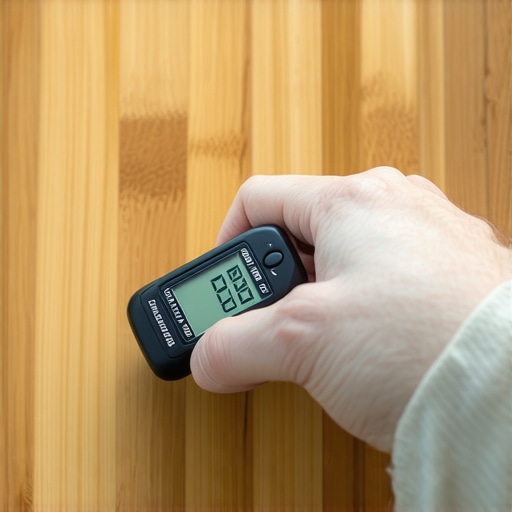
Stay vigilant. Check for signs of water seepage like discoloration or soft spots. Use a moisture meter for accuracy—quickly catching leaks can save hundreds in repairs. A specific time I caught a slow leak behind my vanity thanks to vigilant inspections, preventing mold growth and drywall damage. When in doubt, reapply or upgrade your sealants, keeping your waterproofing defenses strong.
Summary of Actionable Steps
- Thoroughly clean and seal shower joints with trusted sealants
- Ensure proper slope to drain water effectively
- Install waterproof barriers beneath hardwood or laminate floors
- Reapply sealants periodically as recommended
- Inspect for signs of moisture and leaks diligently
Many homeowners assume they know the basics of grout, showers, and flooring maintenance, but the real pitfalls lie in overlooked nuances that can trip you up. One common myth is that regular cleaning alone keeps grout and floors in perfect condition. In reality, the composition of grout and the way it reacts to moisture requires a more strategic approach, including periodic sealing with trusted sealants to prevent absorption and staining. Relying solely on surface cleaning without understanding the porous nature of grout can lead to long-term problems like mold and discoloration, which are far more difficult and costly to fix later. For instance, many assume that once grout is clean, it’s ‘sealed’ for years—this is false, as even high-quality sealants can wear down over time, especially in high-moisture areas. Regular reapplication, guided by manufacturer instructions, is essential for maintaining long-lasting protection.
When it comes to showers, a common misconception is that if water isn’t pooling visibly, there’s no risk. However, moisture can seep behind tiles and into hidden crevices, leading to hidden mold, wood rot, and structural damage. Advanced homeowners are now using moisture meters to detect these issues early—something I wish I had learned sooner. Moreover, many believe using generic sealants is enough, but not all sealants are created equal. As researched by industry experts, using specialized sealants designed for bathroom environments significantly extends the lifespan of waterproofing efforts. Applying these sealants correctly, especially in edges and seams, creates an effective barrier that prevents water infiltration, even under constant use.

Hardwood and laminate floors are often thought to be maintenance-free beyond regular sweeping. Yet, this couldn’t be further from the truth. A sneaky mistake many make is neglecting the importance of a proper vapor barrier beneath the flooring, which can lead to moisture getting trapped and causing warping or buckling over time. Beyond installation, high moisture levels from leaks or humidity require careful monitoring. Advanced solutions include installing moisture sensors in vulnerable spots—something I added after a minor leak to avoid future surprises. Additionally, many assume that a simple mop with water is suitable; however, using excessive moisture or harsh cleaning agents can deteriorate the surface. Instead, damp-mopping with microfiber cloths and using trusted care products for your specific flooring type will preserve their beauty and longevity. Regular maintenance, including reapplying protective finishes when necessary, is essential—don’t wait until damage is obvious.
Why do many foolproof sealing methods sometimes fail?
It’s tempting to think that a single application of sealant will last years, but environmental factors like humidity, temperature fluctuations, and foot traffic accelerate wear. Without reapplication or choosing premium products, your efforts can be rendered ineffective, leaving vulnerable spots exposed. According to a dedicated study from the Building Science Corporation, proper maintenance routines are crucial—repeating sealant reapplications every 1-2 years significantly reduces the risk of water infiltration. The key is to view waterproofing as an ongoing process, not a one-time fix. Have you ever fallen into this trap? Let me know in the comments.
Stick to Your Maintenance Routine for Longevity
Consistency is key when it comes to maintaining your waterproofing and flooring. Regularly inspecting seals, grout lines, and caulking can prevent minor issues from escalating into costly repairs. Schedule annual check-ups of your grout and caulking, especially in high-moisture areas, to ensure they’re still providing an effective barrier. Remember, even the best sealants will degrade over time, so proactive reapplication based on a schedule—usually every 1-2 years—is vital. This habit guarantees your investments remain protected, saving you money and hassle in the long run.
My Go-To Tools for Waterproofing and Maintenance
Over the years, I’ve refined my toolkit to include only high-quality, reliable equipment that makes maintenance more effective and less time-consuming. A dual-temperature steam cleaner is invaluable for deep cleaning grout lines and tiles without harsh chemicals, which not only sanitizes but also helps identify areas where sealants might be failing. For applying sealants, I swear by a high-precision caulking gun that offers smooth control, ensuring even coats in tricky corners and seams—a crucial factor for longevity.
To evaluate potential moisture issues behind floors and walls, I deploy a calibrated moisture meter. This device provides instant readings and helps detect hidden leaks early, allowing preventive action before visible damage occurs. For in-depth inspections, I use a borescope camera—compact, easy to operate, and excellent for peering into tight spaces behind tiles or under flooring to catch potential problems early.
Future of Floor and Shower Upkeep
With technological advancements, I predict that smart moisture sensors and IoT (Internet of Things) integrations will become commonplace in home maintenance routines. These devices will continuously monitor humidity levels and alert homeowners of anomalies, enabling real-time interventions. Investing early in such technology might seem costly now, but it can significantly reduce long-term repair costs, making your home smarter and more resilient.
How do I maintainWaterproofing and Flooring Over Time
One effective method I recommend is scheduling routine inspections with digital documentation. Using a dedicated home maintenance app to log each check, reapplication, and repair keeps you accountable and helps track the health of your waterproofing systems. In addition, using trusted sealants recommended by experts, like those outlined here, ensures you get durable protection. Try applying a UV-resistant sealant to vulnerable edges of your laminate or hardwood floors—this advanced step can guard against fading and damage caused by sunlight, vastly extending your floors’ lifespan.
Remember, maintenance isn’t just about fixing things after they break—preventative care using the right tools and routines keeps your entire home running smoothly. Incorporate moisture meters into your inspections and commit to reapplying sealants every couple of years for enduring protection. Your future self will thank you for the investment in advanced tools and regular upkeep. Taking these steps now, guided by expert advice, can dramatically improve the durability of your floors and showers, ensuring they remain beautiful and functional for years to come.
The Hardest Lesson I Learned About Grout and Floors
One pivotal moment for me was realizing that a quick re-seal isn’t enough; you need a consistent maintenance approach. Catching early signs of sealant wear saved me from extensive damage, teaching me that proactive inspections trump reactive fixes every time.
Why Some DIY Waterproofing Fails Despite Effort
I once thought applying a sealant once would be enough. The truth is, environmental factors like humidity and foot traffic wear down even the best products. Regular reapplication and using trusted sealants from this guide kept my floors waterproof longer.
What No One Tells You About Hardwood and Laminate Durability
Underestimating the importance of a vapor barrier and proper cleaning routines almost cost me my floors. Micro-story: after installing a vapor barrier and damp-mopping regularly, my hardwood stayed pristine despite nearby leaks. Reliable products and routine care are game-changers, as outlined here.
Why Ignoring Moisture Checks Could Ruin Your Home
Ignoring small signs like discoloration or soft spots can lead to significant damage. Using a moisture meter early on saved me from expensive repairs, reinforcing that vigilance and smart tools protect your investment better than any quick fix.
Harnessing Technology for Lasting Protection
Smart moisture sensors and IoT devices will revolutionize home maintenance. I plan to adopt these early because they provide real-time alerts, making waterproofing a dynamic, ongoing process rather than a set-and-forget task. For more on protecting your floors, visit this resource.
Curated Recommendations for Longevity
- Trusted Sealants: Choosing high-quality sealants designed for bathrooms is crucial. Products recommended in this article have proven their durability in my home.
- Moisture Meters and Sensors: Investing in reliable moisture detection tools, as used by professionals, helps catch leaks early, saving time and money. I personally rely on calibrated devices from this guide.
- Routine Maintenance Schedules: Regularly reapplying sealants and inspecting grout lines can extend your floors’ life. Incorporate these practices into your home care routine to ensure ongoing protection.
- Educational Resources: Books and tutorials on waterproofing and flooring care, like this comprehensive guide, deepen your understanding and support smarter decisions.
Take Action Now and Protect What Matters
The future of flooring and shower upkeep hinges on proactive care and smart technology. By maintaining your waterproofing and flooring diligently, you’re ensuring comfort and avoiding costly repairs down the line. Embrace these lessons, tools, and routines as part of your home’s guardianship, and watch your investment thrive with less stress and more satisfaction.
Have you ever missed early signs of water damage or struggled with reapplying sealants? Share your experiences below—I’d love to hear how you’re protecting your floors and showers!