
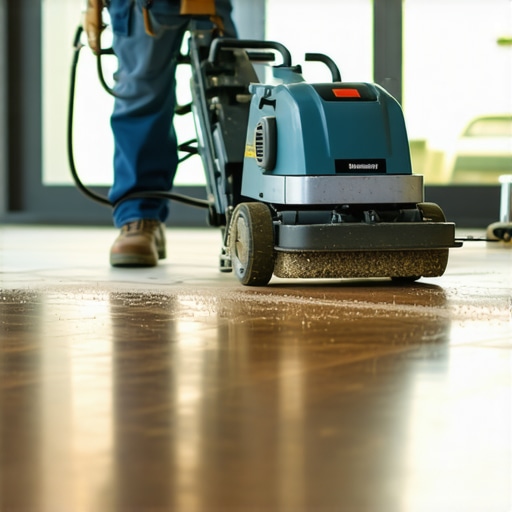
The smell of oak dust and WD-40 is the permanent scent of my life. I once walked into a luxury penthouse in downtown Chicago where a DIY enthusiast tried to sand his own 5-inch character grade white oak with a rented drum sander and a cheap shop vac. The results were catastrophic. Every single square inch of the home, from the inside of the kitchen cabinets to the depths of the bedroom closets, was coated in a fine, powdery film. That microscopic silt is not just a mess. It is a health hazard and a finish destroyer. If you want a floor that looks like a professional gallery instead of a construction site disaster, you have to master the physics of dust containment before you ever pull the trigger on a belt sander.
The myth of the clean construction site
Dust containment systems or DCS are the only way to ensure that 99 percent of wood particulates are captured at the source before they become airborne. These systems utilize heavy-duty vacuum motors linked directly to the sanding equipment through high-pressure hoses. Unlike a standard vacuum, a DCS uses a cyclonic separator to drop heavy chips into a primary bin while HEPA filters capture the invisible silica and lignin particles that usually float for hours. Most homeowners think a plastic sheet over the door is enough. It is not. Air pressure changes in a house will pull dust through the smallest gaps in a doorway like a vacuum. You need a negative pressure environment and a machine that breathes in as fast as it spits out wood flour.
“A floor is only as good as the subfloor beneath it; deflection is the enemy of every joint.” – Master Flooring Axiom
The physics of the vacuum sealed drum
Total dust extraction depends on the Cubic Feet per Minute or CFM rating of your vacuum system and the seal of the sander shroud. When the drum sander spins at 1,800 RPM, it acts like a centrifugal fan. It wants to throw wood particles everywhere. A professional-grade DCS pulls at least 200 CFM to counteract this force. This creates a localized vacuum at the point of contact between the aluminum oxide abrasive and the wood fiber. If the shroud is bent or the brushes are worn, the air seal fails. This is why I spend thirty minutes every morning checking the rubber skirts on my equipment. A small tear in a skirt means a cloud of dust in the client’s living room. We are talking about shearing wood cells at a molecular level. Those cells are light enough to stay suspended in the air for days if not captured instantly.
Strategic pressure and the 40 grit reality
Aggressive sanding with low grit paper generates larger and heavier particles that are actually easier to catch than the fine flour from higher grits. When you start with a 36 or 40 grit to flatten a floor, you are essentially carving the wood. These heavy chips fall quickly. The danger starts when you move to 80, 100, and 120 grit. These higher numbers create a microscopic dust that behaves more like smoke than wood. It follows the thermal currents in the room. If your HVAC system is running, that dust is now in your vents and will eventually settle in your showers or on your kitchen counters. I always tell people to shut off the furnace and seal the returns. Even with the best vacuum, a tiny percentage escapes. You do not want that percentage circulated through the whole house.
| Sanding Phase | Abrasive Grit | Particle Size (Microns) | Dust Risk Level |
|---|---|---|---|
| Initial Cut | 36 – 40 Grit | 500+ Microns | Moderate |
| Flattening | 50 – 60 Grit | 250 – 400 Microns | High |
| Finishing | 80 – 100 Grit | 100 – 150 Microns | Extreme |
| Buffing | 120 – 150 Grit | < 50 Microns | Invisible Danger |
The 1/8 inch that ruins everything
Levelness and subfloor integrity dictate how much dust you will actually create during the sanding process. If a subfloor has a dip of more than 1/8 inch over a ten foot span, the sander will skip. When the machine skips, it loses its vacuum seal against the floor. This creates a burst of dust. I spent three days grinding concrete on a job last month just so the floor wouldn’t click like a castanet and the sander could maintain a perfect seal. You cannot sand a floor flat if the floor is moving under your feet. This is where many people fail. They try to sand out a dip. You don’t sand out a dip. You fix the subfloor first. If you are working near tile, make sure the grout lines are clean. Dust loves to settle in grout and it will discolor your tile installation if you don’t vacuum it out immediately with a brush attachment.
How to handle the edges without the mess
Edging machines are the primary source of dust leaks because they operate on a horizontal plane with high-speed spinning discs. Unlike the drum sander which has a natural path of travel, the edger moves in a circular motion. This flings dust in every direction. To control this, you must use a dedicated edger vacuum. These are small, portable units with high static lift. I also use a radiator tool and a scraper for the corners. A common mistake is using a palm sander for edges. Palm sanders have terrible dust collection. They just vibrate the dust into the air. If you want a dustless experience, you have to stay committed to the vacuum-attached tools. Every time you pick up a manual scraper, have the vacuum nozzle right next to the blade.
“Wood flooring is a living material that reacts to its environment; moisture content must be stabilized before any abrasive touches the surface.” – NWFA Technical Guidelines
The regional humidity trap
Acclimation is the most ignored step in flooring and it directly impacts how the wood sands and how much dust is produced. If you live in a high-humidity area like the Gulf Coast, the wood fibers are swollen. Sanding wet wood creates a sticky, heavy dust that clogs your sandpaper and ruins your vacuum filters. In dry climates like Phoenix, the wood is brittle. Brittle wood shatters into a much finer dust that is harder to contain. You need to check the moisture content with a pin-type meter. Ideally, your hardwood should be within 2 percent of the subfloor moisture. If the wood is too dry, it will splinter and create jagged dust particles that can scratch the very surface you are trying to smooth.
Checklist for a dust-free environment
- Seal all HVAC supply and return registers with 6-mil plastic and blue painter tape.
- Verify that the vacuum hose has no internal obstructions or air leaks at the cuffs.
- Check the carbon brushes on the sander motor to ensure consistent RPMs.
- Empty the vacuum canisters when they are half full to maintain maximum CFM.
- Wipe down all walls and horizontal surfaces with a microfiber cloth before the final grit.
- Use a moisture meter to confirm the wood has reached equilibrium with the home.
Edge work and the perimeter problem
Managing the transition between the main floor and the baseboards requires a steady hand and a high-lift vacuum. Most people think they can just hide the edge dust under the baseboards. This is a mistake. That dust will eventually migrate out and ruin your finish. I always use a vacuum-shrouded random orbital sander for the final blend between the edger marks and the drum marks. This ensures a seamless look. In bathrooms or near showers, where laminate or tile might meet the wood, be extra careful. The transition strips should be removed so you can sand all the way to the edge of the wood. This prevents a ridge of old finish from remaining at the threshold. A clean transition is the mark of a master installer. It shows you care about the structural details, not just the middle of the room.