
I’ll never forget the moment I discovered a tiny leak behind my shower wall that turned into a major headache. Water seeped into the drywall, causing mold and costly repairs. It was a wake-up call that made me realize how crucial reliable waterproofing and sealants are—especially with bathrooms facing daily moisture battles. If you’ve ever dealt with damp spots, peeling grout, or water stains, you know how frustrating it can be. But here’s the good news: with the right trusted products, you can prevent these problems before they start. Today, I’ll share how to choose the best waterproofing sealants for your shower in 2024 and keep your bathroom durable and beautiful for years to come.
Protect Your Bathroom with the Right Waterproofing Sealants
Is Waterproofing Sealants Actually Worth the Hype?
Honestly, I once thought sealing my shower was just a quick fix. I used cheap sealants, thinking they’d do for a while. Big mistake. Within months, water started seeping through, and I faced a mess I could have avoided. That early mistake taught me that not all sealants are created equal. The best waterproofing products not only block water but also resist mold, mildew, and wear over time. For 2024, the market offers some trustworthy options that truly live up to their promises. If you want to save yourself future headaches, investing in high-quality products like trustworthy shower sealants is essential. I urge you to read reviews and choose products proven to last, because your bathroom’s durability depends on it.
Prep Your Surface for Optimal Sealant Application
Before you start sealing, ensure your shower surfaces are clean and dry. I once rushed into applying a sealant right after a quick wipe, only to find water seeping through within weeks. To avoid this, I used a mixture of vinegar and water to remove soap scum and mold, then thoroughly dried the area with towels. This step is like sanding a surface before painting — it creates a smooth, receptive base that guarantees better adhesion of the sealant. For thorough cleaning tips, check out trusted grout and tile cleaning. 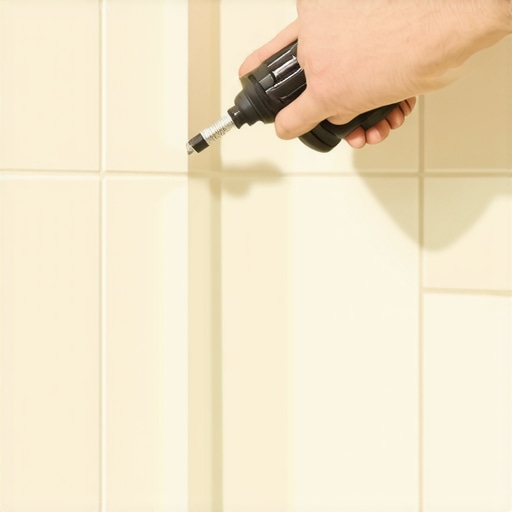
Choose the Right Sealant for Your Shower
Picking a suitable sealant is like choosing the right armor—each type offers different protection levels. I recommend a high-quality, waterproof silicone or polyurethane sealant designed specifically for bathrooms. These products resist mold, mildew, and wear over time, unlike cheaper alternatives that crack or peel. For expert advice on selecting the best products, visit trustworthy shower sealants. Remember, using a product labeled for bathroom use ensures it withstands moisture and temperature changes effectively.
Apply Sealant with Precision and Care
Application is where many DIYers falter. I once tried to rush this step, squeezing sealant haphazardly into gaps, which led to uneven coverage. Instead, I learned to use a caulking gun for steady, controlled application. Squeeze the sealant slowly along the seams, then smooth it out with a damp finger or a caulking tool. Think of it like icing a cake — even, neat, and thorough. Don’t forget to work in small sections to prevent the sealant from drying before you finish. For detailed techniques, see ultimate guide to shower waterproofing sealants.
Allow Proper Curing Time
Patience is key here. I once hurried to use my shower after sealing, only to find the sealant peeled off within days. After that, I always follow the manufacturer’s instructions on curing time, usually 24 to 48 hours. During this period, keep the area dry and avoid any contact with water. This step is like letting paint dry — rushing ruins the finish. Proper curing ensures the sealant bonds well and provides long-lasting protection. For tips on maintaining your waterproofing, visit trusted shower waterproofing tips.
Many homeowners assume that applying a sealant once is enough to keep their shower waterproof for years. However, this misconception can lead to costly repairs and mold growth. The truth is, waterproofing isn’t a set-it-and-forget-it task; it requires ongoing maintenance and attention to detail. For example, some people believe that using any waterproof sealant will do the trick, but in reality, not all products are created equal. Choosing a high-quality, bathroom-specific sealant and applying it correctly can make a significant difference in durability and effectiveness.
Why do most people overlook surface prep before sealing?
It’s common to rush into sealing without thoroughly cleaning and drying the surface. This oversight might seem minor, but it’s a major trap. Residual soap scum, mold, or moisture can prevent the sealant from adhering properly, leading to early failure. I’ve seen many DIY projects fail because of this simple yet overlooked step. Proper cleaning with vinegar solutions and ensuring complete dryness creates the perfect base for long-lasting waterproofing. For detailed cleaning tips, visit trusted grout and tile cleaning.
What advanced mistake do even seasoned DIYers make?
One often neglected nuance is the application of sealant in areas with significant temperature fluctuations or movement. Many assume that a standard silicone will suffice, but in reality, flexible, high-performance sealants are necessary for dynamic joints. Failing to account for expansion and contraction can cause the sealant to crack over time, even if initially applied perfectly. Experts recommend using specialized bathroom-grade sealants that remain flexible and resist mold, like those described in trusted shower grout sealants. This nuance can extend your waterproofing’s lifespan significantly, saving you from frequent re-application and potential water damage.
Have you ever fallen into this trap? Let me know in the comments. Remember, proper surface prep, choosing the right product, and understanding the environment are key to avoiding costly mistakes and ensuring your bathroom stays dry and beautiful for years to come.
How do I keep my waterproofing system functioning over time?
Maintaining waterproofing in your bathroom isn’t a one-and-done task; it requires the right tools and a proactive approach to ensure long-lasting results. I personally rely on a few key pieces of equipment that make the maintenance process straightforward and effective. First, a high-quality silicone caulking gun is essential. I prefer the Milwaukee M12 Cordless Caulking Gun because its battery-powered design offers consistent pressure, reducing mess and ensuring smooth application of sealants during touch-ups. It’s especially useful for sealing difficult corners or reapplying sealant after cleaning.
Next, a detailed inspection mirror paired with a flexible LED flashlight helps me spot tiny cracks or gaps that might be missed during routine checks. I use the Neiko Inspection Mirror with LED because its adjustable arm and bright light allow me to see behind fixtures and inside tight corners, ensuring no water entry points go unnoticed. Regular visual inspections using these tools can prevent small issues from escalating into costly repairs.
For cleaning and surface prep, a soft-bristle brush combined with a vinegar-based cleaner is my go-to. I swear by trusted grout and tile cleaning tips, which recommend gentle scrubbing to remove soap scum and mold before reapplying sealant. Keeping surfaces clean and dry is arguably the most crucial maintenance step, and these tools help me do it efficiently.
Looking ahead, I predict that smart moisture sensors will become a standard part of bathroom maintenance. These tiny devices can alert you to leaks or excess humidity, enabling early intervention and preventing damage. Integrating such technology with your routine inspections can significantly extend the lifespan of your waterproofing measures.
For those serious about keeping their waterproof systems in top shape, I recommend adopting a scheduled maintenance routine—quarterly inspections with your mirror and flashlight, combined with surface cleaning and timely resealing when needed. This proactive approach is the best way to avoid surprises and ensure your bathroom stays dry and durable for years. If you want to dive deeper into sealing techniques, check out the ultimate guide to shower waterproofing sealants. Try implementing a regular inspection schedule today—your bathroom will thank you for it!
The Hardest Lesson I Learned About Bathroom Waterproofing
One of my biggest mistakes was rushing the surface prep stage. I skipped thorough cleaning, which led to sealant failure within a few months. This taught me that no matter how good your sealant is, if the surface isn’t properly prepared, your efforts will be wasted. Always dedicate time to cleaning and drying surfaces with vinegar solutions for the best adhesion.
Three Myths About Waterproof Sealants That Held Me Back
For years, I believed that any waterproof product would do the job. Turns out, not all sealants are made equal. Bathroom-specific silicone or polyurethane sealants resist mold and temperature changes better. Choosing the right product, like those recommended in trustworthy shower sealants, is crucial for longevity.
What Experts Won’t Tell You About Sealant Application
Many overlook the importance of application technique. Using a caulking gun for steady, controlled squeezing and smoothing the sealant with a damp finger creates a professional finish. Small, neat sections prevent premature drying and ensure even coverage, which is key to lasting waterproofing. Check out the ultimate guide to shower waterproofing sealants for more tips.
Curated Tools That Make Waterproofing Easier
Investing in a quality caulking gun, like the Milwaukee M12 Cordless Caulking Gun, makes application smoother and less messy. Also, using an inspection mirror such as the Neiko Inspection Mirror with LED helps spot tiny gaps or cracks behind fixtures. These tools boost your confidence and improve results, helping you maintain a dry, mold-free bathroom.
Final Wisdom: Keep Your Waterproofing System Alive
Routine inspections with a soft-bristle brush and vinegar cleaner, combined with timely resealing, are your best defenses against water damage. Consider smart moisture sensors that alert you to leaks early, saving you money and stress. Regular maintenance turns a one-time task into a long-term safeguard, ensuring your bathroom remains dry and durable for years.
This post really hits home for me, especially the part about surface prep. I learned the hard way that rushing through cleaning can lead to sealant failure within just a few months. I started using vinegar and a soft brush to scrub my tiles and grout thoroughly before sealing, and the difference in adhesion is remarkable. One thing I’ve found helpful is also using a mold-resistant sealant, particularly in areas prone to moisture buildup. Have others here tried different types of sealants, like those with added antimicrobial properties? I’m curious to hear what methods or products have worked for others to extend the lifespan of waterproofing in their bathrooms. Additionally, regular inspection with a mirror or moisture sensors might seem like an extra step, but I believe it’s a small investment to prevent major repairs down the line. What’s your routine for maintenance to keep things in tip-top shape?