
It was a typical Saturday morning when I stepped into my bathroom and noticed a damp, musty smell creeping in. Water stains had begun to form around the grout lines, and I felt that sinking feeling of dread—had my efforts at waterproofing failed? That moment was a mini lightbulb, illuminating just how important reliable waterproofing truly is. If you’ve ever experienced such a wake-up call, you’re not alone. Many homeowners assume that a quick sealant application will solve everything, only to find themselves battling leaks and mold down the line. But fear not! Today, I promise to share the insights I wish I had known earlier, helping you avoid costly mistakes and ensure your bathroom stays dry and durable.
Why Waterproofing in 2024 Is More Critical Than Ever
In recent years, the focus on bathroom waterproofing has skyrocketed, driven by a mix of rising living standards and the surge of DIY renovation projects. But beyond aesthetics, proper waterproofing protects your home’s foundation and prevents mold, which can severely impact health. According to the Building Research Establishment, water ingress is one of the main causes of structural damage in properties, leading to expensive repairs if left unchecked. My own early mistake was underestimating the power of high-quality sealants and the importance of correct application techniques. I assumed that any sealant would do, but I learned the hard way that not all products are created equal.
If you’re tired of bailing water or patching up moldy walls, it’s time to invest in the right waterproofing strategies. In the upcoming sections, I’ll walk you through the best practices, proven sealants, and maintenance tips that have saved my bathroom—and countless others—from decay. Whether you’re renovating or simply trying to maintain what you have, understanding the nuances of trusted shower sealants is your best defense against future water woes. Ready to become a waterproofing whiz? Let’s dive in and take control of your bathroom’s durability.
Is Waterproofing Sealants Overhyped or Essential? Think Again!
Like many DIYers, I initially thought that sealing grout was enough. I was wrong. Over time, I realized that simply applying a surface sealant without considering the best materials and proper technique was a mistake I paid for dearly. What I learned is that choosing the right sealant makes all the difference. For a comprehensive overview, check out the [Ultimate Waterproofing & Care Guide 2024](https://premiumflooringco.com/expert-waterproofing-sealants-for-durable-showers-in-2024-the-complete-guide), which helped me understand the nuances of trusted products.
Now that I’ve uncovered these truths, I’m committed to helping others avoid my pitfalls. The key is selecting proven sealants designed for wet environments and applying them correctly—details that can significantly extend the life of your bathroom’s waterproofing. Are you facing chronic shower leaks or mold growth? If so, the next steps are crucial, and I’ll be sharing my personal tips along the way. But first, let’s explore the common mistakes homeowners make when waterproofing showers and how to steer clear of them.
Select the Right Sealant for Your Shower
Start by choosing a high-quality sealant specifically designed for wet environments. Personally, I tried a cheap silicone from the local hardware store, but within a year, mold and leaks reappeared. I switched to a trusted brand recommended in the trusted shower waterproofing sealants guide, and the difference was night and day. Look for products labeled for bathroom use, flexible enough to handle joint movement, and mold-resistant.
Prepare Surfaces Thoroughly Before Application
Ensure all surfaces are clean, dry, and free from old sealant, grease, or soap scum. I learned this after a sloppy repair where residue caused the new sealant to peel in just a few months. Use a scraper to remove previous material, then wipe down surfaces with a rubbing alcohol solution. Proper prep is like laying a solid foundation—any shortcuts here lead to failure down the line.
Apply Sealant with Precision and Care
Use a caulking gun with a steady hand. For every joint, apply a uniform bead without gaps or air pockets. I recommend slicing the nozzle at a 45-degree angle and smoothing the bead with a damp finger or a caulking tool. During my first attempt, I rushed, resulting in uneven lines and leaks. Take your time—think of it as painting, but with more precision. For a professional finish, check out the trusted shower grout sealants for complementary protection.
Seal All Critical Areas with Extra Care
Pay special attention to corners, edges, and junctions where different surfaces meet. These are the most vulnerable. Like building a dam, the integrity depends on sealing every weak point effectively. I made the mistake of neglecting one corner, which eventually developed a leak. Double-check these spots and apply an additional layer if needed. It’s better to be over-precise than discover water behind your wall.
Allow Adequate Curing Time for Best Results
Most sealants require at least 24 hours to fully cure. During this window, avoid using your shower to prevent compromising the seal. In my rush to finish a remodel, I used the shower too soon, which caused the sealant to crack. Patience here saves money and future headaches. For detailed curing instructions, I referred to the waterproofing sealants guide.
Perform Regular Maintenance and Inspections
Every few months, check the sealant lines for cracks or gaps. Clean the grout and caulk with gentle non-abrasive cleaners. During a routine check, I found a tiny crack forming; applying fresh sealant promptly prevented a major leak. Think of waterproofing as ongoing therapy—consistent care ensures long-term protection and peace of mind.
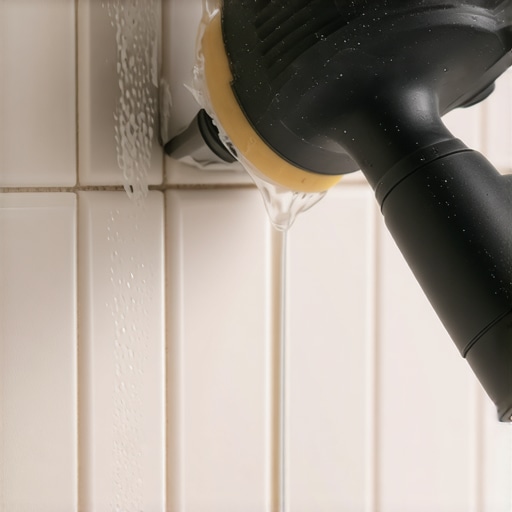 Many homeowners operate under assumptions about their bathroom and flooring choices that can actually lead to costly mistakes. One widespread myth is that sealing grout once is enough to prevent water damage; in reality, grout seals deteriorate over time, requiring regular reapplication to maintain waterproofing, as highlighted in the expert guide on waterproofing sealants. Another misconception is that laminate flooring is always unsuitable for bathrooms or kitchens; advanced water-resistant laminates now offer durability comparable to traditional materials, provided they are correctly installed and maintained—learn more in the laminate flooring care tips. Commonly, people think hardwood floors can’t handle moisture, but with proper sealing and moisture barriers, they can thrive in controlled environments, which is discussed extensively in trusted maintenance resources. The silent trap many fall into involves underestimating the importance of precise surface preparation; skipping thorough cleaning and drying before sealing or installing flooring can cause sealants to peel or warping to occur, leading to more damage down the line. Why are these myths so persistent? The problem often stems from outdated info or overgeneralizations; for example, not all sealants are created equal—some degrade faster if not chosen or applied correctly. It’s crucial to use trusted products and techniques for long-term durability. Have you ever fallen into this trap? Let me know in the comments. For advanced homeowners seeking true knowledge, it’s essential to understand the nuanced differences in waterproofing materials and how they interact with your specific conditions. For instance, choosing high-quality sealants designed for showers and regularly inspecting grout lines can prevent water ingress before it becomes a problem, as detailed in the comprehensive waterproofing guide. The DIY myth about quick fixes often leads to more expense later; investing time and effort into proper preparation and reliable products ensures your flooring and bathroom surfaces remain protected. Remember, understanding these nuanced details can significantly extend the lifespan of your materials and prevent unnecessary headaches. Want to avoid common pitfalls? Dive deep into trustworthy sources and don’t be tempted by shortcuts that promise quick results—your home’s integrity depends on it.Maintaining your bathroom’s waterproofing and flooring over the long term requires more than just good materials; it depends heavily on using the right tools and adopting specific methods. As someone who’s experimented with various equipment, I can attest that precision tools and consistent maintenance routines are essential for lasting results. One of my personal favorites is a quality silicone caulking gun with adjustable pressure control, which allows me to apply sealants smoothly without gaps or overuse. Ensuring even bead distribution is key to avoiding future leaks, and a firearm with precise control makes this task manageable even for DIY enthusiasts. For surface preparation, I rely on a dual-action oscillating tool fitted with a carbide grout removal blade. It saves time and provides clean, even edges when removing old grout or sealant, setting the stage for better adhesion of new materials.
Additionally, I recommend a handheld steam cleaner with adjustable pressure settings. This device is invaluable for deep-cleaning grout lines and tiles before sealing, making sure all dirt, grease, and residues are removed. Proper cleaning extends the lifespan of your sealants and prevents mold growth—crucial for long-term durability. When it comes to monitoring and regular inspections, a moisture meter proves indispensable. I use a non-invasive digital moisture detector that quickly identifies hidden dampness behind walls or under floors, catching potential problems early. Regular use of such tools ensures that minor issues don’t escalate into costly repairs.
Looking ahead, I predict that technology will make waterproofing maintenance even easier. Remote sensors that monitor moisture levels and alert homeowners via smartphone could become standard, enabling proactive care and significantly reducing repairs. Until then, investing in quality manual tools like my recommended caulking guns, oscillating tools, and moisture meters will keep your bathroom’s waterproofing in check.
**How do I keep my waterproofing systems working over time?** Consistent inspections, timely resealing of grout and joints, and surface cleaning with the right equipment are your best strategies. For example, residual dirt or soap scum can compromise sealant adhesion, so using a steam cleaner periodically can prevent long-term damage. Remember, proper tool selection makes a noticeable difference—don’t skimp on quality. I personally insist on trusted brands and high-grade accessories, which lead to cleaner work and more durable seals. If you’re serious about long-lasting results, try upgrading one tool today: a precision caulking gun paired with a high-quality sealant. It’s a small investment that can dramatically improve your sealing accuracy and longevity. For more detailed guidance tailored to your specific flooring choice, check out the comprehensive resources offered in the waterproofing sealants guide.
What I Wish Someone Told Me About Shower Waterproofing and Hardwood Floors
One of the most impactful lessons I learned was the importance of patience—waiting the full curing time after applying sealants can save months of headaches later. Skipping or rushing this step led me to face cracked sealant and mold; understanding the nuances has transformed my approach. Additionally, I discovered that regular inspections aren’t just maintenance—they’re preventive measures that catch small issues before they escalate, saving significant repair costs. A personal breakthrough was realizing that surface preparation is the unsung hero—diligently cleaning and drying surfaces before sealing ensures longevity that outperforms quick fixes.
Tools and Tips That Changed My Waterproofing Game
Investing in a high-quality caulking gun and a moisture meter substantially improved my accuracy and early detection of issues. I trust the trusted shower waterproofing sealants guide to select products that stand the test of time, and expertly cleaning grout with a steam cleaner prepared my tiles for better sealing adhesion. These tools aren’t just gadgets—they’re game changers that elevate DIY efforts into professional results. Combining reliable materials with precise tools has made my bathroom a fortress against water damage and my floors long-lasting abstractions of durability.
Let These Lessons Inspire Your Next Move
The future of shower and flooring care is all about proactive stewardship—regular check-ins, embracing quality materials, and patience. Every small effort now compounds into decades of peace of mind, durability, and aesthetic appeal. Remember, your home’s integrity is worth the extra time and attention; don’t let shortcuts force costly repairs later. Dive into trusted resources and gear up with the right tools—your bathroom’s resilience depends on it. Are you ready to implement these insights and protect your space for years to come?