
It was just another Sunday afternoon when I stepped into my shower and noticed a new crack snaking across the grout lines. Not just one, but several. My heart sank. I remembered the recent renovation, the careful sealing, and thought, “How did this happen so fast?” That lightbulb moment made me realize I wasn’t alone in this struggle. Many homeowners face this frustrating issue where shower grout keeps cracking, leading to leaks, mold, and costly repairs if not addressed promptly.
The Real Reasons Behind Shower Grout Cracks
Is This Problem Worth Worrying About?
One mistake I made early on was ignoring the signs of existing cracks. I thought they were just superficial, a minor annoyance. Turns out, neglecting minor cracks can accelerate deterioration and cause water damage behind your tiles. According to the “American Institute of Tile,” persistent cracking can lead to water seepage, which may cause significant structural issues over time. So, yes, this problem is worth your attention, and today, I promise we’ll uncover the top causes and how to prevent them from ruining your bathroom—saving you money and stress in the long run.
Have you noticed cracks develop suddenly or gradually over time? If you’re nodding yes, keep reading. We’ll explore why grout cracks form and, more importantly, how you can keep your shower waterproof, durable, and looking great for years to come.
Assess the Damage Thoroughly
Before diving into repairs, closely examine the cracks to determine their severity. Use a small putty knife or a dental pick to gently probe the cracks. If they are shallow and narrow, basic sealing might suffice; large or widened cracks indicate underlying movement or water damage requiring a more comprehensive fix.
Prepare Your Workspace and Materials
Clear the shower area and lay down protective plastic or towels. Gather essentials like epoxy grout or silicone sealant, a caulking gun, grout removal tools, a toothbrush, and cleaning supplies. Proper preparation ensures a smooth process and prevents further mess.
Remove Damaged Grout and Old Sealant
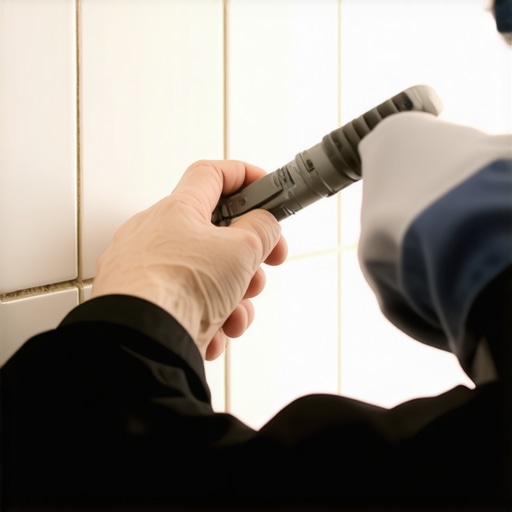
Use a grout saw or a multi-tool with a grout removal attachment to carefully chisel away the cracked and loose grout. Be gentle to avoid damaging tiles. For larger gaps, scrape out old sealant with a utility knife. Think of it as peeling away the rotten layers of an onion to reach healthy material beneath—you need a clean, solid surface for the repair.
Clean the Area to Boost Adhesion
Thoroughly vacuum or wipe away dust and debris. Next, clean the gaps with a mixture of water and vinegar or a commercial grout cleaner to remove mold, soap scum, and grease. This step is crucial since contaminants hinder proper bonding. For stubborn grime, consider applying a trusted grout cleaner like those described in this guide.
Apply New Grout or Sealant Correctly
For small cracks, a silicone sealant is ideal. Load your caulking gun and carefully fill the cracks, smoothing the bead with a damp finger or a grout finishing tool. For larger areas or extensive cracking, mix epoxy grout according to manufacturer instructions and press it firmly into the gaps, using a grout float at a 45-degree angle. Think of it as patching a tire: filling in gaps tightly prevents water infiltration and enhances durability.
Perfect Your Technique for Lasting Results
After applying, wipe away excess with a damp sponge before the sealant sets. Allow the repair to cure as recommended—usually 24 hours—before exposing the area to water. Applying a quality waterproofing sealant, like those discussed in this article, offers an extra layer of protection for years to come.
Regular Maintenance to Prevent Future Cracks
Inspect your shower monthly for early signs of cracking or mold. Keep grout and sealant clean using trusted cleaning strategies outlined in this resource. Avoid harsh chemicals that degrade grout over time, and consider resealing surfaces annually with a high-quality waterproof sealant. Think of it as giving your shower a vitamin boost—the better you care for it, the longer it lasts.
Coordinate Repairs When Necessary
If cracks keep resurfacing despite your efforts, investigate underlying issues such as movement in the subfloor or improper tile adhesive. In such cases, consulting a professional might be necessary. Proper diagnosis and reinforcement prevent an endless cycle of repairs, saving both time and money.
 Many homeowners believe that choosing the right materials is enough to ensure a durable bathroom or floor. However, the real pitfalls lie in misconceptions about maintenance and material performance. For instance, common wisdom suggests that once grout is sealed, it’s set for life. In reality, even top-quality sealants degrade over time, especially if ignored. Proper grout maintenance involves regular cleaning and resealing, which most people overlook, leading to stubborn mold and cracks.
Another often-missed nuance is the difference between laminate and hardwood floors concerning moisture sensitivity. While many assume laminate is inherently waterproof, in truth, not all laminates are waterproof. Some cheaper options swell or warp when exposed to moisture, making diligent waterproofing and vapor barriers essential.
Advanced homeowners get tripped up by the myth that all sealants are equally effective. Many assume a generic product will suffice. But, experts recommend using high-quality waterproofing sealants, like those discussed in this guide, which provide long-lasting protection if applied correctly. Skimping here can lead to hidden leaks, mold growth, and expensive repairs.
### Are All Cleaners Created Equal for Hardwood and Tile Floors?
Not at all. Regular cleaning is vital, but choosing the wrong cleaning agents can damage your surfaces. Acidic or harsh chemicals strip away sealants and cause discoloration. Professional-grade cleaning strategies, highlighted in this article, help maintain the integrity and appearance of your floors over years.
It’s also crucial to understand how moisture and temperature fluctuations affect your floors. Hardwood, for example, moves with humidity changes, developing gaps or buckles if not properly acclimated and maintained. The misconception that hardwood can handle any environment without a proper setup is false. Implementing controlled humidity levels and regular inspections can prevent costly issues. For detailed guidance, see this maintenance guide.
Finally, don’t underestimate the importance of professional assessments. Homeowners often attempt DIY fixes that may temporarily mask issues but neglect underlying problems like subfloor movement or improper adhesive use. Consulting with flooring and waterproofing experts ensures long-term durability. As highlighted in this resource, advanced diagnostics can save you thousands in repairs.
Have you ever fallen into this trap of misconceptions? Let me know in the comments. Remember, understanding the nuances of proper maintenance and material behavior is the key to a lasting, beautiful bathroom and flooring.
Keeping your bathroom floors and grout in top shape requires more than just occasional cleaning; it demands the right tools paired with proven techniques. In my experience, investing in quality equipment not only simplifies repairs but also extends the life of your surfaces. One tool I swear by is a high-grade grout removal tool, such as the Dremel Multi-Max. Its oscillating action allows precise removal of cracked or damaged grout without risking damage to surrounding tiles, making it invaluable for targeted repairs. When paired with a compact, precision grout float, I can press epoxy grout into cracks seamlessly, ensuring a uniform and durable finish. Additionally, a handheld steam cleaner, like the McCulloh Steam Fighter, has transformed my cleaning routine—cutting through mold and soap scum without harsh chemicals, which aligns with the strategies detailed in this guide.
The Hardest Lesson I Learned About showers,laminate,hardwood floors,grout
- Never ignore the early signs of cracking; addressing small issues promptly can save you from costly repairs later.
- Quality materials and proper application techniques are worth the investment—cutting corners today leads to headaches tomorrow.
- Regular maintenance and understand the nuances of your specific flooring type—what works for tile may not suit hardwood or laminate.
- Don’t rely solely on sealants—consistent cleaning, resealing, and professional checkups are essential for durability.
My Essential Toolkit for Shower and Floor Care
Equipping yourself with trusted tools makes a world of difference. I personally swear by the high-quality grout removal tools that allow me to target cracks precisely without damaging tiles. For cleaning, a handheld steam cleaner like the McCulloh Steam Fighter has been a game-changer, eliminating mold and soap scum effectively. These tools, combined with the right sealants, extend my floors’ lifespan and keep their appearance pristine. Regular inspection kits and high-quality sealants also form part of my essential toolkit, ensuring I catch issues early and respond proactively. Investing in these tools is a small price for peace of mind and long-term savings.