
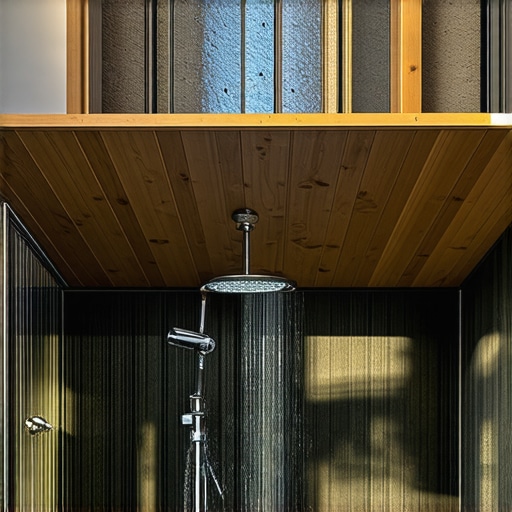
I spent three days grinding concrete on a job last month just so the floor wouldn’t click like a castanet, and that was a dry room. When you talk about showers, the stakes move from annoying noises to structural collapse. Most guys skip the leveling compound and they definitely skip the pre-slope under the liner. I once walked into a luxury master bath where the homeowner had spent forty thousand dollars on Italian marble, only to find the floor joists in the crawlspace were as soft as wet cardboard. The installer had nailed the cement board through the waterproof membrane right at the curb. That single choice, a split-second mistake with a hammer, effectively funneled every gallon of daily shower water directly into the lumber. It took six months for the rot to show, but by then, the structural integrity of the home was compromised. Flooring is not a decoration. It is a hydraulic management system.
The myth of the waterproof grout line
Grout is a porous filter and never a waterproof barrier. Most homeowners and even some cut-rate contractors believe that a tiled surface is a sealed envelope, but the molecular reality is that cementitious grout absorbs moisture through capillary action. When water hits the grout line, it moves through the material and hits whatever is behind it. If you do not have a secondary waterproofing system like a topical membrane or a properly installed pan liner, that water is going to sit on your subfloor. It does not evaporate. It accumulates. This accumulation leads to the hydrostatic pressure that eventually forces moisture through the smallest pinhole in your plumbing or your liner. You cannot rely on a sealer to fix a structural waterproofing failure. Sealers only slow down the rate of absorption; they do not stop it. If the shower was not built to be waterproof before a single tile was laid, it will never be waterproof. We see this often when people try to transition from tile to laminate or hardwood floors in the bathroom. They think a transition strip protects them. It does not. If that pan is leaking, it will wick horizontally into your expensive hardwood floors, causing them to cup and buckle long before you see a drop on the ceiling below.
“A floor is only as good as the subfloor beneath it; deflection is the enemy of every joint.” – Master Flooring Axiom
The physics of the failed pre-slope
A shower pan requires a slope of one quarter inch per foot toward the drain to ensure gravity clears the water. Many installers build the shower floor flat and only slope the tile. This is a recipe for disaster. When water penetrates the grout and reaches the liner, it sits there in a stagnant pool if there is no pre-slope. This standing water eventually rots the mortar bed and creates a breeding ground for mold. More importantly, the weight of that trapped water puts constant stress on the liner seams. Eventually, the chemical bond of the PVC cement or the physical fold of the liner fails. Once the liner is breached, the water hits the wood subfloor. Wood is a sponge. It will soak up that water and expand. This expansion causes the joists to twist. When the joists twist, the tile above them cracks because the subfloor is no longer stable. It is a chain reaction of failure that starts with a flat piece of plywood. You need to understand that the wood under your shower is under constant attack from the high humidity of the bathroom and the direct liquid contact of a leak. If you have laminate floors nearby, the high moisture vapor emission rate from a leaking pan will cause the edges of the laminate to swell and peel. It is a total system failure.
| Failure Point | Detection Method | Severity Level |
|---|---|---|
| Curb Penetration | Check for soft spots at the bathroom floor transition | High – Structural Rot |
| Drain Flange Leak | Infrared camera around the drain assembly | Medium – Localized Damage |
| Clogged Weep Holes | Persistent dampness in grout lines 24 hours after use | High – Mold and Odor |
| Corner Tear | Wall-to-floor junction discoloration | Critical – Fast Spread |
The ghost in the expansion gap
The expansion gap at the perimeter of a room is the lungs of the floor. When a shower leaks, it releases an enormous amount of moisture into the air and the subfloor. This moisture causes the wood joists and the subfloor to expand. If you did not leave a proper expansion gap at the baseboards, the floor has nowhere to go. It will push against the walls. This pressure can actually cause the shower curb to shift, breaking the waterproof seal even further. It is a feedback loop of destruction. I have seen hardwood floors in adjacent hallways pop off the subfloor because a shower leak three rooms away was pumping moisture into the shared crawlspace. You must treat the bathroom as a wet-zone that affects the entire footprint of the house. The chemistry of the adhesives used in modern flooring is also a factor. Most water-based adhesives will re-emulsify when exposed to the high pH levels of a leaking concrete or mortar bed. This means your tiles will literally come unglued. The bond fails and you are left with a floating mess of ceramic and mold.
“Waterproofing is a system, not a single layer, and any breach in the membrane is a guaranteed structural failure.” – TCNA Technical Standard
The 1/8 inch that ruins everything
Structural deflection is the silent killer of shower installations. If your floor joists are spaced too far apart or if they are undersized for the weight of a mud bed and tile, the floor will flex. This flex, even if it is only an eighth of an inch, is enough to snap the grout lines and tear the waterproofing membrane. You cannot install a heavy tile shower on a floor designed for carpet. You have to sister the joists or add blocking to ensure there is zero movement. If you walk into your bathroom and feel the floor bounce, your shower pan is likely already failing or will fail soon. This movement is particularly dangerous for those who choose to install large format tiles. These tiles have no flexibility. When the floor moves, the tile stays rigid and the thin-set bond breaks. This creates a cavity where water can sit. Once water gets under the tile, it begins the slow process of eating through the subfloor. To spot this fast, look for grout that has turned into powder. That powder is a sign that the tile is moving and grinding the grout into dust. It is the first warning sign before the joists start to rot.
- Check the ceiling directly below the shower for yellow or brown circular stains.
- Push your thumb against the baseboard near the shower; it should not feel soft or spongy.
- Watch for grout lines that stay dark long after the shower has dried.
- Use a moisture meter to check the walls at the level of the shower curb.
- Smell for a persistent musty odor that does not go away with cleaning.
- Look for peeling paint or wallpaper on the opposite side of the shower wall.
Gravity is a relentless tenant
Water will always find the lowest point in your home. If your shower pan is leaking, it is not just staying in the bathroom. It is traveling down the joists, following the plumbing lines, and potentially pooling in your basement or crawlspace. This leads to the deterioration of the sill plate, which is the piece of lumber that connects your home to the foundation. When the sill plate rots, your house starts to sag. This is why I tell people to stop looking at their floors as a cosmetic choice. You are building a boat. If you wouldn’t trust it to float in a lake, don’t trust it to hold water in your bathroom. The use of cheap materials from big box retailers often leads to these failures. Those pre-fabricated pans are often thin and prone to cracking if the subfloor is not perfectly level. I always prefer a traditional mud bed with a high-quality liquid membrane like RedGard or Kerdi. It creates a seamless bond that moves with the house. If you are worried about your current setup, get an infrared camera. It will show you the cold spots where water is hiding behind the tile long before the drywall starts to crumble. Don’t wait for the floor to fall through. Spot the leak, rip it out, and do it right the second time. A floor is a performance surface, and if it is leaking, it is failing its only job. It will buckle. It will rot. It will cost you ten times more to fix later than it does to do correctly now.