
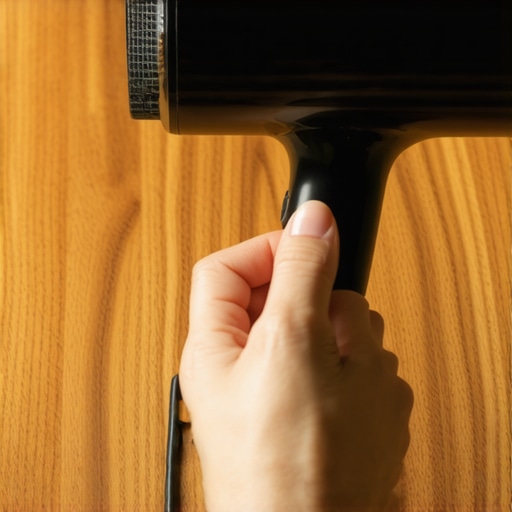
The Hair Dryer Trick for Identifying Surface Scratches in Polyurethane
I once walked into a house where a 15000 dollar wide plank walnut floor was cupping so bad it looked like a potato chip because the installer didn’t check the crawlspace humidity. It was a tragedy written in timber. The homeowner was devastated, but the real insult was the scratching. Every time a chair moved, it left a white mark. They thought the wood was ruined. I pulled a hair dryer out of my tool bag and showed them the truth. Most people treat their floors like a static painting. I treat them like a living, breathing mechanical assembly. If you do not understand the molecular bond of your finish, you are just guessing. I have spent twenty five years with sawdust under my nails and a moisture meter in my pocket. I know the smell of burning oak and the sticky reality of a poly coat that refuses to cure. You do not need a degree in chemistry to fix your floor, but you do need to understand why heat changes everything.
The science of surface level abrasions
Surface scratches in polyurethane are essentially light fractures in the clear coat resin that refract light differently than the surrounding area. By applying localized heat with a hair dryer, you can determine if the scratch depth reaches the wood grain or remains within the topcoat layers. This diagnostic step prevents unnecessary sanding. When a scratch appears white, it is often just the finish delaminating or fracturing. It is an optical illusion of damage. The finish is a plastic shield. When that shield is struck, it crinkles. That crinkle reflects light back at your eyes as a white line. If the scratch reached the wood, the color would be different. It would look dark or raw. The hair dryer tells you if the shield is still intact.
“A floor is only as good as the subfloor beneath it; deflection is the enemy of every joint.” – Master Flooring Axiom
The heat test for polyurethane integrity
Polyurethane finishes are thermoplastic or thermosetting polymers that respond to thermal energy by slightly softening or expanding. A hair dryer set to medium heat can reflow minor surface scuffs or at least change their refractive index to confirm they are superficial marks. Hold the dryer about six inches away. Move it in circles. Do not stay in one spot. If the white line starts to fade, the scratch is shallow. You are literally melting the microscopic edges of the fracture back together. This works best on oil based poly, but water based finishes also react. It is about the resins. Modern water based finishes use a complex cross linking technology. When you heat them, you are vibrating those molecules. If the scratch is deep, heat will do nothing. If it is a surface scuff, it might just vanish.
Why your subfloor is lying to you
Subfloor moisture levels and structural deflection can cause the polyurethane finish to brittle and crack under point loads. A floor that moves too much will shear the bond between the wood fibers and the protective coating, making scratches more likely to occur during normal foot traffic. I have seen guys install beautiful floors over damp concrete. It is a crime. The moisture migrates up. It pushes against the bottom of the finish. Now the finish is under tension. One little scratch and it pops off like a scab. You have to check the moisture content. Use a pin meter. Anything over a four percent difference between the subfloor and the hardwood is a ticking time bomb. The floor will move. The finish will fail. The scratches will come. It is physics. You cannot argue with a hygrometer.
The ghost in the expansion gap
Expansion gaps around the perimeter of a room allow hardwood floors to expand and contract without putting lateral stress on the polyurethane topcoat. Without a proper half inch gap, the wood will buckle or cup, leading to finish failure and increased susceptibility to deep gouges. If the wood has nowhere to go, it goes up. When it goes up, the edges of the boards become high points. Your vacuum cleaner hits those high points. Your shoes hit those high points. You get scratches that look like tracks. The hair dryer trick will not save you here. You have to fix the expansion problem first. I have spent days pulling up baseboards just to cut a gap that should have been there from day one. It is tedious work. It is the difference between a floor that lasts fifty years and one that fails in five.
Comparison of floor durability and finish types
| Material Type | Janka Hardness | Finish Type | Repairability |
|---|---|---|---|
| White Oak | 1360 | Oil Based Poly | High |
| Red Oak | 1290 | Water Based Poly | Medium |
| Laminate | N/A | Melamine Resin | Low |
| Walnut | 1010 | Hardwax Oil | Very High |
The 1/8 inch that ruins everything
Subfloor flatness must be within one eighth of an inch over a ten foot span to prevent locking mechanism failure in laminate or LVP. If the floor deflects into a subfloor dip, the wear layer will stretch and eventually crack or scratch under the pressure of static loads. Most guys skip the leveling compound. They think the underlayment will hide the dip. It won’t. I spent three days grinding concrete on a job last month just so the floor wouldn’t click like a castanet. If the floor clicks, it is moving. If it is moving, the finish is being stressed. You might think you have a scratch problem, but you actually have a levelness problem. A flat floor is a quiet floor. A quiet floor is a durable floor. Use a straight edge. Do not trust your eyes. Your eyes will lie to you. The level will not.
Checklist for maintaining polyurethane finishes
- Vacuum twice weekly using a soft brush attachment to remove abrasive grit.
- Place breathable rugs at all exterior entry points to catch moisture and salt.
- Maintain indoor relative humidity between thirty and fifty percent year round.
- Use felt floor protectors on all furniture legs and replace them every six months.
- Avoid steam mops because high pressure vapor can delaminate the finish.
The swampy humidity of Houston and the dry heat of Phoenix
Regional climate conditions dictate the moisture vapor transmission rate through your subfloor and directly impact hardwood stability. In high humidity areas, engineered wood is often superior to solid planks because its cross ply construction resists the cupping and crowning that leads to finish cracks. If you live in a swamp, your wood is trying to grow. If you live in a desert, your wood is trying to shrink. You have to acclimate the wood. Do not just drop it at the job site and start nailing. It needs to sit. It needs to reach equilibrium. I have seen floors gaps so wide in Phoenix you could drop a quarter through them. That is because the installer didn’t care about the environment. He just wanted to get paid. You have to respect the air. The air controls the wood.
“Modern polyurethane is a marvel of chemical engineering, but it cannot overcome the laws of wood movement.” – NWFA Technical Guidelines
The chemistry of the bond
Inter-coat adhesion depends on the surface energy of the underlying wood and the chemical compatibility of the polyurethane resins. When you use the hair dryer trick, you are witnessing the molecular vibration of polyurethane chains which can sometimes re-knit minor micro-fractures. If the bond is weak, the heat might actually cause the finish to peel. This is why you never use wax on a poly floor. Wax is a contaminant. If you wax a floor, you can never recoat it. The new poly will not stick. It will fish eye. It will peel off in sheets. I hate floor wax. It is a relic of the past that causes nothing but headaches for modern installers. If you want a shiny floor, buy a higher gloss poly. Do not use a bottle of cheap shine from the grocery store. You are ruining your investment for a temporary glow. It is a bad trade.
Identifying the deep gouge
Deep gouges penetrate the polyurethane barrier and reach the lignin and cellulose of the wood structure, requiring wood filler or plank replacement. If the hair dryer does not change the appearance of the scratch, the timber fibers have been crushed or severed. At this point, the trick has done its job. It has told you that the damage is structural. You cannot heat a hole back to life. You have to fill it. Or you have to live with it. A floor with some character is fine, but a floor with a hole is a vulnerability. Water will get in there. The wood will turn black. Then you have a real mess. Use a touch up pen that matches the stain. It is not perfect, but it seals the wood. It keeps the rot away.