
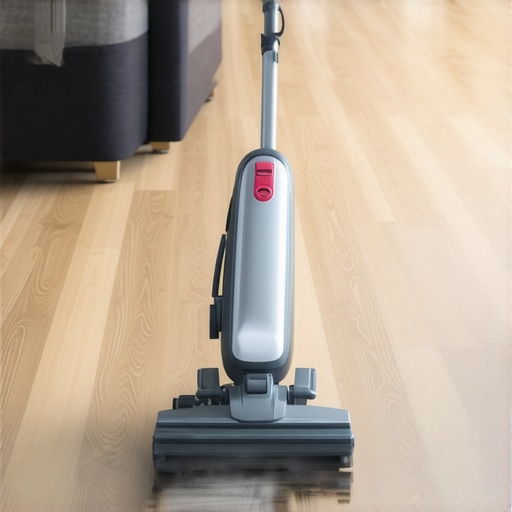
The Best Cleaner for Textured Laminate That Traps Dirt
I spent three days grinding concrete on a job last month just so the floor would not click like a castanet. That job taught me that most people do not understand the physics of what they are walking on. Most guys skip the leveling compound. They think the underlayment will hide the dip. It will not. I have seen thousand dollar laminate installs ruined because the installer did not account for a 3/16 inch deviation in the subfloor. When a floor flexes, the locking mechanisms open up. This creates a microscopic vacuum that sucks dirt into the texture. If you are struggling with a floor that stays gray no matter how much you mop, you are not fighting dirt. You are fighting physics and chemistry. This guide is built on 25 years of floor failures and the science of what actually lifts debris from a melamine resin surface.
The microscopic reality of textured surfaces
Textured laminate uses embossed in register technology to mimic wood grain which creates deep valleys that trap microscopic particulates. These valleys act as reservoirs for oils and dry soil. To clean them, you need a pH neutral surfactant that reduces the surface tension of water, allowing it to penetrate these 1/100th inch crevices without soaking the high density fiberboard core. Most homeowners use too much water. That water sits in the texture and swells the edges. Once those edges swell, the floor becomes a permanent dirt magnet because the raised lip catches every piece of dust that passes by. You need a cleaning agent that evaporates fast and leaves zero residue. Residue is the enemy. It is a sticky film that bonds to the dirt and locks it into the grain.
Why common household acids fail the floor test
Vinegar and high acid cleaners strip the protective resins from the wear layer and cause the core to become brittle over time. I see people recommending vinegar all the time. It is a mistake. Vinegar is an acid. Laminate is essentially a photograph of wood glued to a board and covered in a plasticized resin. Acid eats that resin. When the resin gets etched, it becomes porous. A porous floor is a floor that will never be clean again. The dirt gets into the pores and stays there. You need a dedicated laminate cleaner or a drop of professional grade dish soap in a gallon of distilled water. Distilled water is important because it lacks the minerals that leave white streaks on your textured finish. If you live in a region with hard water, your cleaning efforts are likely adding a layer of lime scale to your floor every single week.
“A floor is only as good as the subfloor beneath it; deflection is the enemy of every joint.” – Master Flooring Axiom
A technical comparison of cleaning agents and tools
Selecting the right chemistry requires understanding the AC rating of your floor and the chemical resistance of the wear layer. High traffic laminate with an AC4 or AC5 rating can handle more aggressive mechanical agitation. However, the chemistry remains the same. You want a cleaner that targets organic oils without damaging the aluminum oxide coating. The following table breaks down the performance of common cleaning methods based on their ability to lift dirt from textured valleys without compromising the structural integrity of the planks.
| Cleaning Method | Deep Dirt Removal | Residue Level | Risk of Swelling |
|---|---|---|---|
| Steam Mops | High | Zero | Extreme Danger |
| Vinegar Solution | Medium | Low | Medium Risk |
| pH Neutral Surfactant | Highest | Zero | Low Risk |
| String Mops | Low | High | High Risk |
The science of the microscopic dirt trap
Textured laminate traps dirt through a process called mechanical bonding where fine dust particles are pressed into the grain by foot traffic. When you walk on a dirty floor, you are acting like a steamroller. You are pressing dirt into the valleys of the texture. To get it out, you cannot just wipe over the top. You need a microfiber pad with enough loop density to reach into those valleys. I recommend pads that have a mixture of polyester and polyamide. The polyester provides the scrubbing power while the polyamide creates a static charge that pulls the dirt out of the grain. This is why a flat mop is superior to a string mop. A string mop just moves the dirty water around until it settles into the lowest point of the floor, which happens to be the texture you are trying to clean.
The ghost in the expansion gap
The perimeter of your room holds the secret to why your floor keeps getting dirty even after a thorough cleaning. Every laminate floor needs an expansion gap of at least 1/4 inch. If that gap is not properly covered by baseboards or shoe molding, it becomes a dust reservoir. When the HVAC system kicks on, the air pressure shifts. This pulls dust from behind the walls and under the baseboards out onto the floor. I have walked into homes where the owners complained about dirt, only to find they had no moisture barrier in the crawlspace. The rising humidity was forcing dust through the expansion gaps. You must keep the perimeter clean. Use a vacuum with a HEPA filter and a soft brush attachment to clear the edges before you ever touch the floor with a damp pad. If you skip the vacuuming, you are just making mud.
Standard operating procedures for professional maintenance
Professional floor maintenance requires a three stage process of dry soil removal, chemical suspension, and mechanical extraction. Most people jump straight to the wet stage. That is how you end up with streaks. Follow this checklist to ensure your textured laminate stays as clean as the day I installed it.
- Vacuum the entire surface using a hard floor setting to remove 90 percent of dry particulates.
- Mist a microfiber pad with a pH neutral cleaner until it is damp but not dripping.
- Work in small 4×4 foot sections to ensure the cleaner does not dry before you wipe it up.
- Use a secondary dry microfiber pad to buff the floor immediately after cleaning to remove any lingering moisture.
- Check the wear layer every six months for signs of etching or scratches that might trap additional debris.
“The presence of surface moisture for extended periods is the primary cause of laminate joint failure and top down swelling.” – Master Flooring Axiom
The myth of the steam mop
Steam mops use pressurized heat that forces moisture into the HDF core of laminate which leads to irreversible peaking and delamination. I hate steam mops. I have seen them destroy ten thousand dollar floors in less than a year. The steam gets into the locking joints. Once the heat hits the glue and the fiberboard, the board expands. When it cools, it does not shrink back to its original size. It stays peaked. Those peaked edges then get hit by vacuum cleaners and feet, which strips the color off the floor. If you want a floor that lasts 20 years, keep the steam in the bathroom on the tile and grout. Laminate is wood at its core. Wood and steam are a recipe for a renovation you did not plan for. If you are cleaning showers or grout, use the steam there. On a hardwood or laminate surface, it is a weapon of destruction.
Why your subfloor is lying to you
A subfloor that is not level causes the laminate planks to move vertically which creates a bellows effect that pulls dirt into the joints. If your floor feels like it is bouncing, your cleaner is not the problem. Your subfloor is. Every time you step on a plank that has a void beneath it, the air inside that joint is pushed out. When you lift your foot, air is sucked back in. This air carries fine dust. Over time, that dust builds up inside the locking mechanism until the joint can no longer close properly. This is why some floors develop white lines at the seams. It is not always wear. Sometimes it is the structural failure of the subfloor manifesting as a cleaning issue. If you have this problem, no cleaner in the world will fix it. You have to pull the floor and fix the substrate.
The 1/8 inch that ruins everything
Precise measurements and the use of the right transition strips prevent the accumulation of dirt in the high traffic thresholds of your home. Transitions are where dirt lives. If your transition strips are loose, they act as a trap. I always use a high quality construction adhesive to set my tracks. I do not want those things moving. If your T-molding is wobbly, it is collecting skin cells, pet dander, and outside grit. Clean these areas with a stiff nylon brush and a vacuum. Do not use water in the transitions. The water will sit in the track and rot the subfloor or cause the laminate ends to swell. Maintenance is about precision. It is about understanding that a floor is a machine. You have to keep the gears clean if you want it to run. Treat your textured laminate with the same technical respect you would give a piece of machinery, and it will stay clean for decades. “