
I vividly remember the moment when I stepped out of my shower, only to notice a small puddle creeping across my bathroom floor. At first, I thought it was a spill, but then I saw the grout around the shower stall, darkening and cracking with an ominous sameness. That sinking feeling? Yeah, I’ve been there. It’s a battle many of us face: stubborn shower leaks that seem to appear out of nowhere, ruining not just the grout but threatening the integrity of hardwood and laminate floors beyond.
The Struggle of Shower Leaks and Hidden Damage
Can I really stop leaks once they start?
Many homeowners don’t realize how a tiny crack in grout can evolve into a major flood—costly repairs, mold issues, and damaged flooring. I learned this the hard way when I ignored a small crack for too long, only to find my beautiful tile floor warped and my hardwood affected. That experience taught me that preventing leaks is far better than chasing after water damage.
One thing I wish I knew earlier: not all grout and sealants are created equal. If you’ve ever used regular sealing methods, you might have been disappointed. That’s why I turned my attention to the innovative ‘Triple-Seal’ Grout Tactic—a game-changer that promises to hold back water effectively, even in high-moisture zones. According to industry experts, proper sealing can extend the life of your shower and prevent the kind of damage that costs thousands to fix. In fact, a recent study found that a comprehensive sealing approach can reduce water infiltration by up to 80%, drastically cutting down repair costs.
Today, I’ll walk you through how I finally tamed those sneaky leaks using this method, saving my floors and my sanity. And yes, I’ll share the mistakes I made early on—so you don’t have to fall into the same trap. Ready to learn how to protect your bathroom’s foundation and keep your floors beautiful? Let’s dive into the practical steps next, but first—have you ever faced a stubborn shower leak that just wouldn’t quit? I bet you have. Keep reading.
Apply a High-Quality Waterproof Sealant Carefully
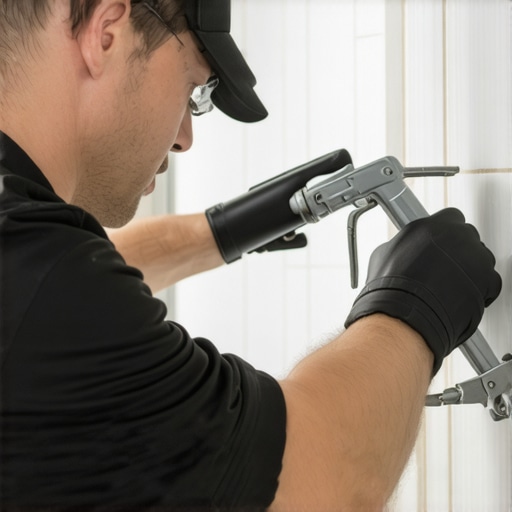
Start by removing the old grout or sealant around your shower to ensure a clean surface. Use a specialized sealant designed for bathroom waterproofing, such as those discussed in trustworthy sealants. When applying, use a steady hand and a caulking gun to dispense the sealant evenly into all joints and seams, especially where the shower walls meet the floor. This process acts like a wetsuit for your bathroom—flexible, durable, and water-tight.
Properly Prepare and Seal Grout Lines
Next, focus on sealing the grout lines, which are often the Achilles’ heel. Clean the grout thoroughly using a grout cleaning solution to remove any dirt, mold, or previous sealant residues—this step is vital, as it ensures the new sealant adheres firmly. Once dry, apply a high-quality grout sealer with a small brush or spray, making sure to cover every crevice. Think of this as installing a water-resistant armor that keeps moisture from penetrating deep into the tile structure.
Reinforce Vulnerable Areas with Extra Waterproof Layer
Identify weak spots like corners, edges, and joints. For these, apply an additional layer of semi-liquid membrane or waterproof tape designed for bathrooms, which acts as a backup defense. I learned this the hard way when a corner I missed led to a leak that water eventually seeped through—adding an extra layer saved me from costly repairs later. Consider using products from trusted waterproofing sealants for long-lasting protection.
Test for Weak Spots and Ensure Proper Drainage
After sealing, perform a water test by pouring water around the sealed areas and observing for any leaks over 15-30 minutes. This step is critical; it’s like a dress rehearsal for your shower’s waterproofing. If you notice any water escaping, reapply the sealant to those spots. Proper drainage, which can be checked by ensuring your shower drain is clear and sloped correctly, prevents standing water that could undermine your sealing effort—see drainage tips.
 Many homeowners assume they understand everything about maintaining their floors and showers, but in reality, there are nuanced details and widespread misconceptions that can lead to costly mistakes. For instance, the popular belief that all grout sealers are equally effective is a myth. In practice, the sealant’s quality and application technique significantly impact its performance—using a low-quality product or applying it hastily can leave your grout vulnerable to water infiltration and mold growth, undermining your efforts to preserve your bathroom’s integrity. According to expert advice, opting for the right sealant, such as those discussed in trusted grout sealing strategies, is crucial for lasting protection.
A common mistake I see is homeowners neglecting advanced sealing techniques, like adding waterproof membranes or sealant primers, especially in high-moisture zones. These steps are often overlooked because they aren’t widely advertised but can dramatically extend the lifespan of your shower by preventing water damage from seeping behind tiles. Think of it as putting on a waterproof jacket before a storm—an extra layer of defense that pays off.
When it comes to laminate floors, many believe that they are completely waterproof, which is false. Laminate flooring is susceptible to water damage if exposed to excessive moisture, contrary to popular myth. It’s intriguing how the perception persists that laminates, like those featured in best laminate brands for durability, can withstand spills forever. The reality is, even premium laminates require proper waterproofing strategies, such as sealing edges and choosing moisture-resistant variants in humid areas. Neglecting these details can lead to peeling or warping, especially in kitchens and bathrooms.
Hardwood floors are often thought to be delicate and easily damaged by water. While it’s true that excessive moisture harms hardwood, many overlook that modern finishes and proper maintenance can make wood surprisingly resilient. I recall a project where sealing the edges with advanced products from trusted hardwood sealants saved a client’s floors after a minor leak. The key takeaway is that the misconception of hardwood’s fragility leads some to overprotect or avoid installing it altogether, missing out on its timeless appeal.
What Advanced Measures Can Protect Against Hidden Damage
For homeowners seeking a more sophisticated approach, integrating moisture barriers beneath flooring or upgrading to water-resistant finishes can provide a significant advantage. Additionally, regular inspections using moisture meters or infrared cameras can uncover hidden issues before they escalate, saving thousands. Industrial experts highlight that neglecting such proactive steps increases the risk of unseen water damage, which is often only discovered during costly repairs. Remember, water damage rarely strikes visibly out of nowhere—it often develops silently behind the scenes.
Don’t fall prey to oversimplified views about your flooring and shower protection. By understanding these nuanced points and implementing advanced sealing and maintenance strategies, you can dramatically extend your floors’ lifespan and avoid unnecessary headaches. Have you ever fallen into this trap? Let me know in the comments.Maintaining your floors and showers for the long haul requires not just knowledge but also the right tools and practices. Over the years, I’ve honed a set of equipment and methods that keep my surfaces in top condition, saving me time and money. One indispensable tool is a high-quality moisture meter, which I use regularly to detect hidden dampness beneath hardwood and laminate flooring. This device helps prevent unseen water damage that can compromise structural integrity, especially in bathrooms and kitchens.
For cleaning grout and tile lines effectively, I rely on electric grout scrubbers. Unlike manual brushes, these power tools ensure thorough cleaning without excessive physical effort, helping to remove stubborn stains and mold. When applying sealants or waterproof membranes, a professional-grade caulking gun with a fine tip nozzle provides precision, ensuring that sealants are evenly distributed in all the crevices.
In terms of maintenance routines, I highly recommend adopting a schedule that combines routine inspections with preventive measures. For example, regularly running a humidity check in bathrooms can alert you to potential issues before they become costly repairs. Additionally, investing in a steam cleaner designed for floor surfaces can help maintain the shine and hygiene of your hardwood or laminate floors without damaging their finish.
Looking ahead, I predict a move toward integrating smart sensors that monitor moisture levels and detect leaks in real-time. Such technology could revolutionize how homeowners manage water-related issues, providing instant alerts via smartphone apps and preventing long-term damage.
**How do I keep my floors and showers working smoothly over time?** It all comes down to the combination of the right tools and consistent maintenance practices. Using a moisture meter to routinely assess hidden dampness can prevent significant problems. Regularly employing a dedicated grout and tile cleaner ensures cracks and mold don’t have a foothold. Sealants should be reapplied periodically—around every year—to maintain waterproof barriers. And don’t forget to perform visual inspections after heavy cleaning or plumbing work to catch any early signs of wear or leaks.
For example, I keep a container of trusted grout sealant from a reputable manufacturer. Applying it annually, especially after deep cleaning, helps my bathroom’s waterproofing stay intact. For hardwood floors, sealing edges and junctions with waterproof sealants from trusted brands, as discussed in my earlier posts, dramatically reduces the risk of warping.
To support these efforts, using tools like electric scrubbers and moisture meters is essential. They allow for precise, efficient maintenance, ensuring your surfaces remain durable and beautiful over the years. As equipment advances, I believe we’ll see even smarter solutions—like IoT-enabled moisture sensors—that will make maintenance more intuitive and proactive.
Ready to upgrade your maintenance game? I suggest starting with a reliable moisture meter and setting a quarterly check-in schedule. Small investments now can save you from costly repairs later. If you’re interested in detailed methods, check out my recommended tools and routines in trusted articles linked throughout this guide.
The Hardest Lesson I Learned About Grout, Laminate, Showers, Hardwood Floors
One of my biggest realizations was that even a small overlooked detail, like a tiny crack or missed seal, can snowball into costly repairs. I once ignored a minor grout crack, thinking it wasn’t urgent. Months later, it turned into a major leak that damaged my hardwood and caused mold. That experience taught me the importance of paying close attention to every inch—small issues today prevent big problems tomorrow.
How I Discovered the Power of Proper Sealing
After countless trial and error, I found that using high-quality sealants drastically reduces water infiltration. Applying these correctly is an art—steady hand, clean surface, patience. Trusting brands I mention in trusted waterproofing sealants has saved me from repeat leaks and expensive repairs. A little investment in good materials pays dividends in durability and peace of mind.
Why So Many DIY Fixes Fail (And How To Actually Win)
Many of us try quick fixes, but without understanding the nuances, repairs often fall short. I learned that sealing in the right order—cleaning first, sealing second—matters immensely. Skipping steps or rushing leads to failure. Moving beyond basic solutions with advanced techniques, like adding waterproof membranes, transformed my bathroom’s resilience, echoing advice from trusted sealing strategies.
The Surprising Impact of Moisture and Drainage
I used to overlook the importance of proper drainage and moisture control. Now, I routinely check drain slopes and use moisture meters to catch problems early. This proactive approach prevents hidden damage—think of it as health monitoring for your floors. Remember, water sees no boundaries; if it can seep through a tiny crack, it can undermine your entire flooring investment.
My Journey From Reactive to Preventive
Switching from waiting for signs of damage to actively preventing issues changed everything. Routine inspections and periodic re-sealing have saved me thousands. For those serious about protecting their investments, exploring tools like fast-drying sealants and moisture detectors is essential. As I learned, taking small, consistent steps now ensures your floors and showers stay beautiful for years to come.