
The science behind surface restoration
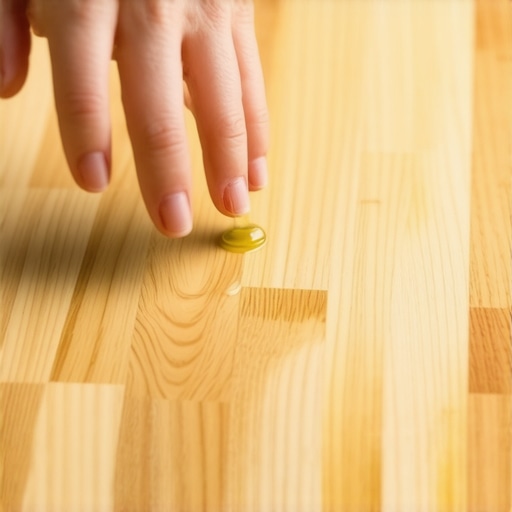
Hardwood floor wax and liquid restorers work by filling the microscopic abrasions in the polyurethane or aluminum oxide finish with high-refractive-index polymers. These inexpensive liquid waxes act as a sacrificial wear layer, smoothing the surface so light reflects uniformly rather than scattering in multiple directions, which eliminates the appearance of dullness. I have spent 25 years on my knees with a moisture meter and a level. I have smelled enough oak dust and WD-40 to last three lifetimes. I once walked into a house where a $15,000 wide-plank walnut floor was cupping so bad it looked like a potato chip because the installer didn’t check the crawlspace humidity. It was a tragedy written in timber. People think a quick fix is a miracle, but you have to understand the chemistry of what is happening on that surface. A $12 bottle of liquid wax is not a structural repair. It is a temporary optical illusion that works by utilizing carnauba or synthetic acrylic chains to bridge the gaps in your floor’s topcoat. When the light hits a scratched floor, it bounces around like a pinball. This creates the dull look. The wax levels that microscopic valley, allowing for specular reflection. It looks new because the physics of light says it should. However, if you have deep gouges or structural movement, that wax is just lipstick on a pig. You need to know the difference between a surface scratch and a cellular failure in the wood. Hardwood floors are living things. They breathe. They move. They react to the air in your room. If you treat them like plastic, they will fail you.
“A floor is only as good as the subfloor beneath it; deflection is the enemy of every joint.” – Master Flooring Axiom
[IMAGE_PLACEHOLDER]
The tragic reality of wide plank walnut
Wide plank walnut floors are susceptible to cupping and crowning because the surface area of the timber cells is large enough to absorb significant atmospheric moisture. When the relative humidity in a home exceeds 55 percent, the bottom of the plank absorbs moisture from the subfloor while the top dries out, creating a physical arc. I have seen guys install beautiful walnut over a wet concrete slab without a vapor barrier. Within six months, the floor is ruined. You cannot fix that with a bottle of wax. You have to understand the perm rating of your underlayment. A standard 6-mil poly film is the bare minimum. If you are over a crawlspace, you need to manage the earth’s moisture before you even think about the wood. The physics of wood movement is simple yet brutal. Wood is hygroscopic. It wants to be as wet as the air around it. If your house is a swamp, your floor will be a rolling sea. I always tell homeowners that their HVAC system is the most important tool for floor maintenance. If you cannot control the climate, you cannot have stable hardwood floors. It is as simple as that.
Physical properties of timber cell walls
Timber cell walls consist of cellulose, hemicellulose, and lignin, which provide the structural rigidity necessary to withstand the Janka hardness test. The Janka rating measures the force required to embed a 0.444-inch steel ball halfway into the wood, determining its resistance to wear and denting. White oak has a rating of 1360, while hickory sits at a much harder 1820. When you apply a liquid wax, you are not changing the Janka rating. You are merely coating the lignin-bound surface. I prefer white oak because of the tyloses in its cellular structure. These are bubble-like growths that clog the vascular tissue, making the wood nearly waterproof. This is why white oak is used for wine barrels and boats. Red oak lacks these, making it a straw that sucks up moisture. If you have red oak in a kitchen or near showers, you are asking for trouble. The liquid wax might help repel a small spill, but it won’t stop the capillary action if a pipe leaks under your sink.
Subfloor preparation and structural deflection
Subfloor levelness must be within 3/16 of an inch over a 10-foot radius to ensure that laminate or hardwood locking mechanisms do not snap under load. Structural deflection occurs when the joists under the floor flex too much, causing the flooring material to bounce and click. I spent three days grinding concrete on a job last month just so the floor wouldn’t click like a castanet. If the subfloor is not flat, the floor will fail. It does not matter how expensive the wood is. Most guys skip the leveling compound. They think the underlayment will hide the dip. It won’t. I have seen LVP floors where the tongues and grooves have snapped off completely because there was a 1/2 inch dip in the middle of the room. You have to use a self-leveling underlayment with a high compressive strength, usually around 3,000 PSI, to ensure a rock-solid base.
“Wood is a hygroscopic material that will always attempt to reach equilibrium with its environment.” – NWFA Technical Manual
Laminate versus hardwood durability
Laminate flooring utilizes a high-density fiberboard core topped with a photographic layer and a melamine wear layer to simulate the look of real wood. The AC rating (Abrasion Class) determines where the laminate can be installed, with AC3 being the standard for residential use and AC5 for heavy commercial traffic. Laminate is tough, but it is not wood. It is a photograph of wood glued to a board. If the edges get wet, the fiberboard swells like a sponge. Once it swells, it never goes back down. Hardwood can be sanded and refinished. Laminate is a disposable product. I hate the way some big-box retailers sell laminate as a forever floor. It is a ten-year floor at best. If you want something that lasts a century, you buy solid 3/4 inch oak and you nail it down.
Grout and the moisture barrier failure
Tile grout is a porous mixture of cement and sand that requires a penetrating sealer to prevent moisture from reaching the thin-set and subfloor. In showers, the waterproofing membrane behind the tile is the only thing standing between your studs and rot. I have seen beautiful tile jobs fail because the installer didn’t use a proper liquid-applied membrane. Grout is not waterproof. Water goes right through it. If you don’t have a moisture barrier, that water sits on your subfloor and grows mold. The transition between a tile bathroom and a hardwood hallway is a critical failure point. You need a proper threshold and a silicone caulk joint that can handle the expansion and contraction of two different materials.
The ghost in the expansion gap
Expansion gaps are the 1/2-inch spaces left around the perimeter of a room to allow hardwood and laminate floors to expand and contract with seasonal humidity changes. Without these gaps, the floor will buckle or peak at the seams, leading to permanent structural damage. Homeowners always want the floor to go tight against the baseboard. They think it looks cleaner. I tell them that the floor needs to move. If you pin it against the wall, it has nowhere to go but up. I have seen floors lift two inches off the subfloor because they were jammed against the drywall. You cover that gap with shoe molding or baseboards. You never, ever fill it with caulk or grout.
Maintenance protocols and protection
Daily floor maintenance requires the removal of abrasive particulates like sand and grit which act as sandpaper on your polyurethane finish. Using a PH-neutral cleaner is essential because acidic or basic solutions can etch the surface and lead to premature dulling. | Floor Type | Janka Rating | Acclimation Time | Moisture Tolerance | | :— | :— | :— | :— | | Red Oak | 1290 | 7-14 Days | Low | | Hickory | 1820 | 10-14 Days | Moderate | | Brazilian Cherry | 2350 | 14-21 Days | Moderate | | Laminate | N/A | 48 Hours | Varies |
- Check subfloor levelness within 3/16 inch over 10 feet.
- Test moisture with a pin-less meter before installation.
- Undercut door casings for expansion gap clearance.
- Apply liquid wax only to clean, dust-free surfaces.
- Maintain indoor humidity between 30 and 50 percent.
The $12 liquid wax is a tool in your arsenal. Use it for the light scratches. Use it to bring back the glow before a party. But do not ignore the structural health of your home. A floor is a performance surface. It is a structural engineering challenge that you walk on every day. Respect the wood, respect the subfloor, and your floors will outlast you. The chemistry of adhesives and the physics of moisture are the true masters of your home. Stop looking at the color and start looking at the moisture meter readings. That is the only way to ensure your investment stays flat and beautiful for the next thirty years. { “@context”: “https://schema.org”, “@type”: “Article”, “headline”: “The $12 Liquid Wax That Fixes Dull Hardwood Spots”, “author”: { “@type”: “Person”, “name”: “Master Flooring Architect” }, “datePublished”: “2023-10-27”, “description”: “Expert guide on restoring hardwood floors using liquid wax, focusing on subfloor preparation, moisture control, and structural engineering.”, “publisher”: { “@type”: “Organization”, “name”: “Flooring Pro Insights” } }