
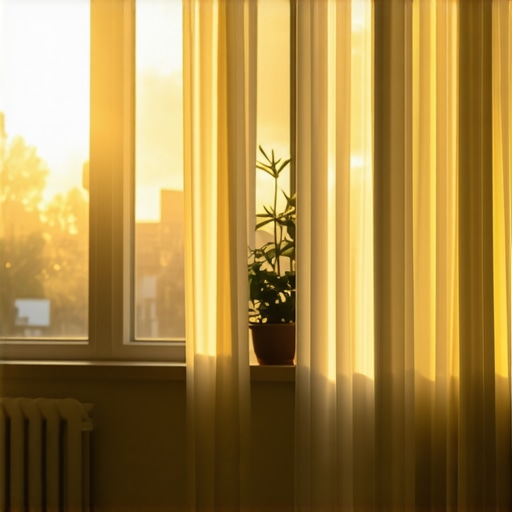
I once walked into a house where a $15,000 wide-plank walnut floor was cupping so bad it looked like a potato chip because the installer didn’t check the crawlspace humidity. It was a heartbreaking sight. The homeowner had spent a fortune on high-end hardwood floors, only to watch them twist and warp within six months. Sunlight was the silent killer in that room. The concentrated solar energy baked the moisture out of the top surface of the wood while the underside remained saturated from the damp crawlspace. This differential in moisture content created a mechanical tension that the wood simply could not handle. When we talk about flooring, we usually talk about colors and textures. But as a guy who has spent three decades with a level and a moisture meter, I tell you that a floor is a living, breathing structural component. If you ignore the physics of your home, your investment will fail. This article breaks down exactly why the sun is the enemy of your interior surfaces and how the molecular structure of your floor reacts to the heat and light streaming through your glass.
The photochemical destruction of wood lignin
Hardwood floors undergo photochemical degradation when ultraviolet radiation breaks down lignin, the natural glue in cellulose fibers. This process, often called solar bleaching or oxidative darkening, results in permanent discoloration and structural weakening of the wood planks near unprotected windows. Lignin is the organic polymer that provides wood with its rigidity and strength. When UV-A and UV-B photons strike the surface of a wood plank, they possess enough energy to break the chemical bonds within the lignin molecule. This is not just a surface issue. It is a structural failure at the molecular level. As the lignin breaks down, it releases chromophores, which are the parts of the molecule responsible for its color. In some species, like American Cherry or Brazilian Cherry, this reaction causes the wood to darken significantly, moving from a light pink to a deep, burnt red. In other species like White Oak or Maple, the wood often bleaches out, losing its warm tones and turning a chalky, pale yellow. If you have a rug over part of the floor, the difference becomes a permanent scar on the room once you move the furniture.
“A floor is only as good as the subfloor beneath it; deflection is the enemy of every joint.” – Master Flooring Axiom
Why laminate floor loses its color
Laminate flooring is a multi-layer synthetic product that relies on a high-definition photographic layer protected by a wear layer of aluminum oxide. While laminate is more fade-resistant than natural wood, it can still suffer from thermal degradation and UV pigment failure when exposed to direct solar heat for extended periods. The photograph itself is printed with inks that have varying degrees of lightfastness. Cheaper products use inferior pigments that break down when the solar load increases. Even if the photograph holds its color, the heat can be a major problem. I have seen laminate planks grow by nearly a quarter inch in length when the afternoon sun hits them through a sliding glass door. If the installer did not leave a proper expansion gap at the perimeter, the floor will tent or buckle. It has nowhere to go. It is not just about the look. It is about the physical dimensions of the material changing in real-time. This is why we insist on heavy-duty underlayments that can handle the heat transfer without melting or compressing under the weight of the floating system.
The chemical breakdown of polyurethane finishes
Polyurethane finishes on hardwood floors act as a sacrificial barrier against abrasion, but they are highly susceptible to UV-induced cross-linking failure. High-intensity sunlight causes the chemical bonds in the urethane to become brittle, leading to flaking, peeling, and a loss of sheen over time. Not all finishes are created equal. Oil-modified polyurethanes have a natural amber tint that gets darker and more yellow as it ages and gets hit by light. Water-based finishes are generally more stable, but even they can suffer from gloss-level changes. When the sun hits the floor, it creates a localized greenhouse effect. The surface temperature of the wood can easily reach 120 degrees Fahrenheit even if the room is air-conditioned to 70 degrees. This heat accelerates the oxidation of the finish. The finish becomes less flexible. Since the wood underneath is still moving with seasonal humidity changes, a brittle finish will start to develop micro-cracks. These cracks allow moisture to penetrate the wood fibers, which leads to graying and rot in extreme cases near windows or doors.
| Wood Species | Janka Hardness (lbf) | Photosensitivity Rating | Reaction to Sunlight |
|---|---|---|---|
| Brazilian Cherry | 2350 | High | Rapid Darkening |
| American Cherry | 950 | High | Extreme Darkening |
| White Oak | 1360 | Medium | Ambering / Yellowing |
| Hard Maple | 1450 | Medium | Light Bleaching |
| Hickory | 1820 | Low | Minimal Change |
The expansion gap failure and subfloor heat
Subfloor stability is compromised when localized solar heat causes thermal expansion in the underlying material like OSB or plywood. This expansion creates mechanical stress on the locking mechanisms of LVP or laminate, often leading to clicking sounds or joint separation near sun-drenched windows. Most people think the floor sits still. It does not. It is constantly moving. When the sun beats down on a specific patch of floor, that area expands while the shaded area stays the same size. This creates a shear force at the boundary. If you have a cheap laminate or a thin hardwood, the tongue and groove will start to rub against each other. That is the clicking sound you hear when you walk across it. I spent three days grinding concrete on a job last month just so the floor would not click like a castanet because the slab had a 3/16 inch dip right where the sun hit it. The heat made the floor flexible enough to follow the dip, making the noise even worse. You have to ensure the subfloor is flat within 1/8 inch over a 10-foot radius. There is no shortcutting the prep work.
Grout stability and showers in high heat zones
Grout in tile installations near large windows or in sun-facing showers can suffer from thermal shock and pigment leaching. The polymer additives in modified thin-set and epoxy grout can degrade if the temperature swings are too extreme, leading to cracking and loss of water resistance. If you have a walk-in shower with a window, you are asking for trouble if you do not use the right materials. The tile expands and contracts at a different rate than the wooden framing of the house. When the sun hits that grout, it dries it out and makes it brittle. If you are using a standard cementitious grout, the UV rays can also cause the color to fade, especially if you picked a dark color like charcoal or chocolate. It ends up looking splotchy and old within a year. For these areas, I always recommend a high-performance epoxy grout. It is more expensive and a pain to install, but it will not fade and it stays flexible enough to handle the thermal movement. You also have to be careful with the waterproofing membrane. Some of those materials do not like being baked at high temperatures before the tile is even installed.
“Cementitious grout is a porous structure; without proper polymer modification, it will fail under the stress of thermal cycling.” – TCNA Technical Bulletin
The 1/8 inch that ruins everything
When I talk about the 1/8 inch, I am talking about the tolerance of your floor. Sunlight highlights every flaw. If your subfloor has a slight hump, the sun casting a long shadow across the room will make it look like a mountain range. This is why floor prep is the most important part of the job. Most guys skip the leveling compound. They think the underlayment will hide the dip. It will not. The underlayment is there for sound and moisture, not for structural leveling. If you have a dip near a window, the sun will heat the air in that gap, creating a tiny pocket of high-pressure air that can actually contribute to the floor bouncing. It sounds crazy, but I have seen it happen. You need to use a self-leveling underlayment (SLU) to get that substrate dead flat. Only then can you lay your hardwood floors or laminate with the confidence that the sun will not expose your laziness. Precision is the only way to avoid a callback.
Strategies for floor protection and longevity
- Install Low-E glass windows to block up to 99 percent of ultraviolet radiation and infrared heat.
- Use professional-grade window films with a high Total Solar Energy Rejection (TSER) rating.
- Rotate area rugs and furniture every six months to ensure even aging of the wood patina.
- Maintain indoor humidity between 35 and 55 percent to prevent gapping and cupping.
- Apply UV-resistant topcoats or water-based polyurethanes with UV inhibitors.
- Install automated blinds that close during the peak solar hours of 10 AM to 4 PM.
While most people want the thickest underlayment, too much cushion actually causes the locking mechanisms on LVP to snap under pressure. This is a common mistake. You want a high-density, low-profile underlayment that provides support. If the floor can bounce too much, the sun-weakened joints will fail even faster. It is all about limiting movement. A floor that moves is a floor that dies. You want that assembly to be as solid as possible. This is why I prefer glue-down installations for hardwood floors in high-sun areas. The adhesive provides a continuous bond that fights against the wood’s desire to cup or crown when the heat hits it. It is more work and the glue is messy, but it is the only way to ensure the floor stays flat for twenty years. Final Assessment. Sunlight is a powerful force of nature. It can turn a beautiful floor into a faded, clicking mess if you do not respect the physics of the installation. Choose your materials based on the light load of the room, prep your subfloor until it is perfect, and never trust a builder who says the underlayment will hide the flaws. Your floor is the foundation of your home’s interior. Treat it like the engineering challenge it is.