
I spent three days grinding concrete on a job last month just so the floor wouldn’t click like a castanet. Most guys skip the leveling compound. They think the underlayment will hide the dip. It won’t. You can smell the WD-40 on my shirt and see the oak dust in my hair, but that grit is what keeps a floor from failing. I have seen a lot of homeowners destroy expensive investments because they listened to a blog post instead of a mechanic. They treat their natural stone like a kitchen counter and think vinegar is a miracle cleaner. It is actually a slow-acting poison for your masonry and your grout. If you want a floor that lasts thirty years, you stop cleaning with salad dressing and start respecting the chemistry of your surface.
The chemical destruction of natural stone
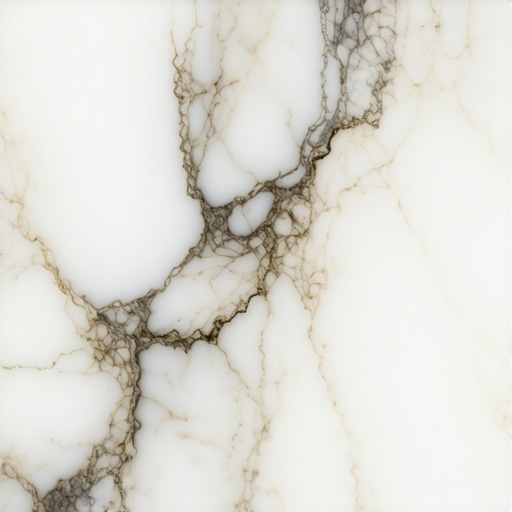
Vinegar is a dilute form of acetic acid that reacts violently on a molecular level with the calcium carbonate found in natural stone like marble, travertine, and limestone. This reaction causes etching, which is a permanent physical change to the stone surface that dulls the finish and creates microscopic pits. Most people assume a dull spot is just a stain they can scrub away. It is not. You have literally dissolved the top layer of the stone. When you pour an acid onto a base like calcium carbonate, you trigger a chemical neutralization process. This process releases carbon dioxide gas and leaves behind a salt residue. In the flooring world, this means your polished Carrara marble becomes a matte, cloudy mess. The damage happens in seconds. You cannot buff this out with a rag. You need a diamond polishing pad and a professional to restore the lost surface depth. If you are using vinegar on hardwood floors, you are making a similar mistake by breaking down the polyurethane topcoat, leaving the wood vulnerable to moisture infiltration and grain raising.
“A floor is only as good as the subfloor beneath it; deflection is the enemy of every joint.” – Master Flooring Axiom
The slow death of cementitious grout
Grout is a mixture of Portland cement and sand that relies on a high pH environment to maintain its structural integrity and bond strength. Acetic acid in vinegar attacks the cement binder, causing the grout to become brittle, powdery, and prone to cracking or falling out entirely. I have walked into showers where the grout was so soft I could scrape it out with a fingernail. That is what years of vinegar spray does. It leaches the calcium hydroxide out of the cement matrix. Once the binder is gone, the sand has nothing to hold onto. This creates voids. Those voids then collect soap scum, skin cells, and mold. You think you are cleaning, but you are actually creating a playground for bacteria by making the surface more porous. This is why showers in older homes often have that musty smell. The waterproofing behind the tile is being overwhelmed because the grout lines are no longer water-shedding. They are sponges. If your subfloor has any deflection, these weakened grout lines will snap at the first sign of foot traffic.
Comparing stone resilience and cleaning sensitivity
| Material Type | Calcium Content | Acid Resistance | Primary Risk |
|---|---|---|---|
| Marble | Very High | None | Immediate Etching |
| Travertine | High | Very Low | Pitting and Voids |
| Granite | Low | Moderate | Resin Clouding |
| Ceramic Tile | None | High | Grout Erosion |
| Laminate | None | Low | Swelling at Joints |
The phantom of the pH scale
Maintaining a neutral pH of 7.0 is the only way to ensure the longevity of both your stone tiles and your sealing agents. Most household cleaners fall into extreme acidic or alkaline categories, both of which can strip the impregnating sealers that protect your porous floor surfaces. Think about the physics of a sealer. It is designed to sit inside the pores of the stone to repel liquids. Acidic cleaners like vinegar or lemon juice don’t just sit on top. They penetrate the sealer and eat it from the inside out. Once the sealer is compromised, your stone is defenseless. I see this a lot with laminate flooring as well. People use too much water and vinegar, thinking it is safe. The liquid wicks into the HDF core. The core swells. The floor is ruined. You need a dedicated, pH-neutral stone soap. These cleaners are designed to lift dirt without breaking the chemical bonds of the stone or the sealer. It is a matter of molecular stability. If you ignore the pH, you are just counting down the days until a full tear-out is required.
- Never use vinegar on any surface containing calcium carbonate.
- Check the MSDS sheet of your cleaner to ensure it is pH-neutral.
- Avoid abrasive pads that can scratch the already weakened stone.
- Always rinse with clean water if an acidic spill occurs.
- Re-seal your stone and grout every twelve to eighteen months.
- Monitor the humidity in your home to prevent subfloor expansion.
The ghost in the expansion gap
A floor needs room to breathe and move, and when you use the wrong cleaners, you can actually affect the way materials expand and contract within their environment. When vinegar weakens the bond of the mortar or the grout, it allows moisture to sit under the tile, which leads to tenting and bond failure. People forget that floors are dynamic. They move. A stone floor in a house is constantly under tension. If you have compromised the grout with acid, the floor can no longer distribute that tension evenly. The 1/8 inch gap at your baseboards is there for a reason. If that gap is clogged with debris or if the floor has expanded due to moisture trapped by failing grout, the tiles will pop. I have seen entire living rooms lift up like a tent because the owner thought they were being eco-friendly with vinegar and water. They were actually just lubricating the path for structural failure. This is why hardwood floors need precise acclimation. If the moisture levels aren’t right, the wood will move and the finishes will crack. Stone is no different. It is a rigid material in a moving world. You have to protect the joints.
“Natural stone is a prehistoric record of geological pressure; treat it with the respect its age deserves.” – Master Flooring Axiom
The moisture trap in modern showers
Shower installations fail because of moisture management issues, often exacerbated by acidic cleaners that degrade the thin-set mortar and the waterproofing membrane interfaces. When you spray vinegar on your shower walls, the acid runs down and pools in the corners where the plane changes occur. These corners are the most vulnerable spots. Most installers use caulk there, but if they used grout, the vinegar will eat it. Even if they used silicone, the acid can eventually degrade the bond between the silicone and the tile. Once water gets behind that tile, it hits the wallboard. If you don’t have a modern bonded membrane system, you are looking at rot. I have torn out showers where the studs were black with mold because the homeowner used vinegar every day to get rid of hard water spots. They were trades-off a clean look for a structural disaster. Use a squeegee. It doesn’t require chemicals. It uses physics to remove the water before the minerals can settle. It is the only way to keep a shower clean without destroying the assembly.