The death of the sterile gray slab
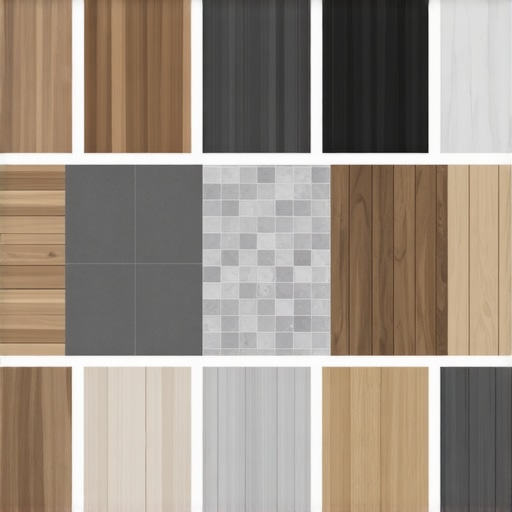
Gray wood floors are losing their market dominance because homeowners are craving organic warmth, natural oak tones, and high-character wood species that offer a sense of permanence rather than a fleeting design trend. The shift away from cool-toned, desaturated palettes marks a return to the biophilic design movement where wood looks like wood. I have spent thirty years with a moisture meter in my pocket and sawdust in my lungs, and I can tell you that the gray trend was always an uphill battle against the natural physics of timber. Wood is a living, breathing material. When you force a piece of white oak to look like a sheet of industrial concrete, you lose the soul of the material. The industry is moving toward honey-toned white oak, rich walnut, and amber-hued site-finished hardwoods that age with grace rather than looking dated within a five-year window.
Why your gray floor looks like plastic
Gray flooring finishes often rely on heavy pigments or reactive stains that mask the natural grain patterns and tannin variations found in authentic timber. This creates a monochromatic surface that lacks depth and mimics the appearance of cheap laminate or low-end LVP. I remember walking into a house where a $15,000 wide-plank walnut floor was cupping so bad it looked like a potato chip because the installer didn’t check the crawlspace humidity. The homeowner had insisted on a gray wash that completely hid the beautiful heartwood of the walnut. It was a tragedy of engineering and aesthetics. The gray stain had settled into the open pores of the wood, creating a muddy, chalky texture that felt like sandpaper underfoot. When you apply a heavy gray pigment to a high-tannin wood like white oak, you often trigger a chemical reaction that can lead to blotchiness. The new standard is all about clear-coat finishes and matte UV-cured oils that celebrate the wood’s inherent cellular structure.
“A floor is only as good as the subfloor beneath it; deflection is the enemy of every joint.” – Master Flooring Axiom
The hardwood heartbreak of 2018
Structural integrity in flooring is compromised when installers prioritize aesthetic trends over subfloor preparation and acclimation protocols. During the height of the gray floor craze, many manufacturers rushed products to market that used inferior rotary-peel veneers. These thin layers were prone to checking and delamination, especially in climates with high seasonal humidity swings. I have seen countless floors fail because the installer thought a gray finish would hide the gaps caused by improper expansion space. It will not. In fact, the cool tones of gray floors actually highlight the dark shadows of gaps and cracks more than a natural wood tone would. We are seeing a massive pivot toward solid 3/4 inch hardwood or high-quality engineered wood with a 4mm or 6mm wear layer. These materials allow for multiple sandings and refinishings, ensuring the floor lasts for a century rather than a decade.
Warm honey and the return of real oak
Warm wood tones like honey oak, golden maple, and natural hickory are replacing gray because they provide a timeless foundation that complements a wider variety of interior design styles. These colors mask pet hair, dust, and minor scratches far better than the dark or very light grays of the previous decade. The physics of light reflection also play a role. Gray floors absorb light in a way that can make a room feel subterranean and cold. Natural wood tones reflect light, bringing a sense of airiness to the space. When you look at the Janka Hardness Scale, many of the species being used for these warmer finishes are also the most durable. White oak has a Janka rating of 1,360, making it a workhorse for busy households.
| Wood Species | Janka Hardness Rating | Stability Rating | Best Finish Type |
|---|---|---|---|
| White Oak | 1360 | High | Matte Oil |
| Red Oak | 1290 | Medium | Water-based Poly |
| Hickory | 1820 | Medium-Low | Aluminum Oxide |
| Black Walnut | 1010 | High | Natural Wax |
| Hard Maple | 1450 | High | UV-Cured |
The chemistry of the modern wear layer
Modern floor finishes have evolved to include ceramic bead technology and aluminum oxide particles that provide scratch resistance without the need for thick, plastic-looking topcoats. The move toward low-VOC water-based polyurethanes allows the natural color of the wood to shine through without the ambering effect of old-school oil-based finishes. However, the industry is now seeing a trend where we actually want that slight amber glow. It provides a richness that gray simply cannot replicate. We are talking about the molecular level of the finish. A high-quality finish must bond with the cellulose fibers of the wood. Gray stains often act as a barrier, preventing the topcoat from achieving a mechanical bond. This leads to flaking and peeling in high-traffic areas. The new warm-toned finishes are designed to penetrate deeper, creating a wear layer that is part of the wood itself.
How subfloor moisture kills your aesthetic
Subfloor moisture levels must be within 2 to 4 percent of the hardwood moisture content to prevent warping, crowning, and cupping regardless of the color of the floor. Many people blame the gray trend for their floor’s failure, but the culprit is usually the concrete slab or the crawlspace. If you are replacing a gray floor with a new natural wood floor, you must address the vapor barrier. I spent three days grinding concrete on a job last month just so the floor wouldn’t click like a castanet. We used a calcium chloride test to check the moisture vapor emission rate. If you skip this, your new honey-oak floor will suffer the same fate as the gray one it replaced. Wood is hygroscopic. It absorbs water from the air and the ground. Without a proper silicone-vapor shield or a liquid-applied moisture barrier, your investment is at risk.
“Wood flooring will perform best when the environment is controlled to stay within a relative humidity range of 30 to 50 percent.” – NWFA Technical Guidelines
Selecting a species that lasts a century
Long-term flooring value is found in domestic hardwoods that offer dimensional stability and the ability to be refinished as design trends evolve over the next eighty years. While gray was a specific stain, the species beneath it matters more. White oak is the king of the current market because its closed-pore structure makes it more resistant to liquid penetration than red oak. If you are in a high-humidity area like New Orleans or Houston, you need an engineered core with a thick wear layer to handle the expansion and contraction. In dry climates like Phoenix, you have to worry about dry-cup, where the top of the plank dries out faster than the bottom. Replacing gray means choosing a wood that can handle your local climate’s specific stressors.
- Check the subfloor for levelness within 3/16 inch over a 10-foot radius.
- Verify that the moisture content of the wood is within the manufacturer’s spec.
- Ensure the HVAC system has been running for at least 10 days prior to installation.
- Leave a minimum 1/2 inch expansion gap around the entire perimeter.
- Use a high-quality underlayment with a high IIC rating for sound dampening.
The expansion gap is not a suggestion
Expansion gaps are the most overlooked aspect of professional floor installation, providing the necessary room for wood to move during seasonal humidity changes without buckling. I see guys cramming planks tight against the drywall all the time. They think the baseboard will cover it. Then summer hits, the wood expands, and the floor starts to peak at the seams. It does not matter if you have the most beautiful natural oak planks in the world. If you don’t give them room to breathe, they will destroy themselves. This is especially true for the new click-lock systems that people use to replace their old gray floors. These floating floors move as a single unit. If one side is pinned by a heavy kitchen island or a tight wall, the whole system will fail. You need a minimum of 1/2 inch of space. Anything less is a gamble you will eventually lose.
The future of flooring beyond the trend
Sustainable flooring choices are moving toward reclaimed wood and responsibly harvested timber that features mineral streaks and knots, embracing the imperfections that gray floors tried to hide. People want a story. They want to see the life of the tree. The micro-bevels of the past are being replaced by square-edge planks that offer a truly flat, seamless look, though they require a much higher level of skill to install. As we move away from the cool grays, we are seeing a rise in herringbone and chevron patterns in natural tones. These patterns add architectural interest without relying on a trendy color. The goal is to create a floor that looks like it has always been there and will remain there for the next three generations of the home. The era of disposable flooring is ending. We are returning to the age of the craftsman.