
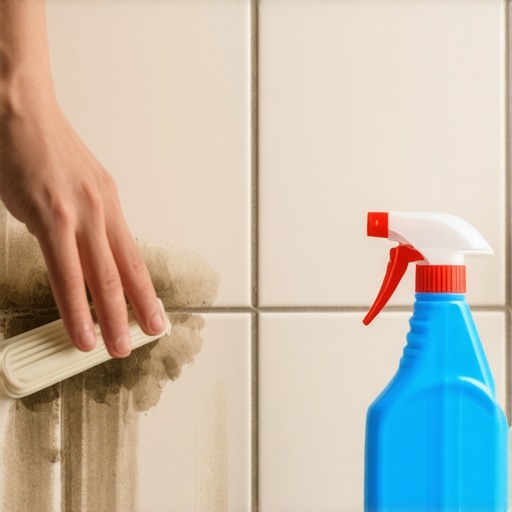
Why Your Grout Stays Dark After it Dries and How to Fix It
I once spent three days on a job in a high-rise where the client complained their brand new slate shower looked like a swamp. The grout was a deep charcoal, despite the fact that they hadn’t turned the water on in a week. They thought the color was just wrong. I knew better. I grabbed my moisture meter and pressed it against the joint. The needle buried itself in the red. The installer had skipped the pre-slope on the liner, and two inches of stagnant water were sitting in the mortar bed like a hidden pond. That grout wasn’t dark because of the pigment, it was dark because it was literally drowning from the bottom up. If your grout stays dark after it should be dry, you aren’t looking at a cleaning issue. You are looking at a physics problem. Flooring is a structural engineering challenge, and grout is the most honest indicator of what is happening beneath the surface.
The science of trapped moisture
Grout stays dark because liquid water occupies the interstitial voids within the cement matrix. This changes the light refraction of the surface, making it appear several shades darker than the dry pigment. This occurs when the evaporation rate is lower than the moisture recharge rate from the subfloor or substrate. Cementitious grout is naturally porous, acting like a hard sponge that pulls moisture through capillary action. When the pores are full of water, light is absorbed rather than reflected, which is why wet concrete looks darker than dry concrete. If the grout does not lighten within 48 to 72 hours, it means the water source is constant or the evaporation path is blocked by an improper sealer application. Showers are the most common culprits, but moisture migrating through a concrete slab can affect any tiled area in the home.
The saturated substrate nightmare
A floor is only as good as the subfloor beneath it. If your grout is dark in patches, it usually means the thin-set mortar or the cement backer board is saturated. In a shower environment, this often points to a failure in the waterproofing layer. If the installer used a traditional