
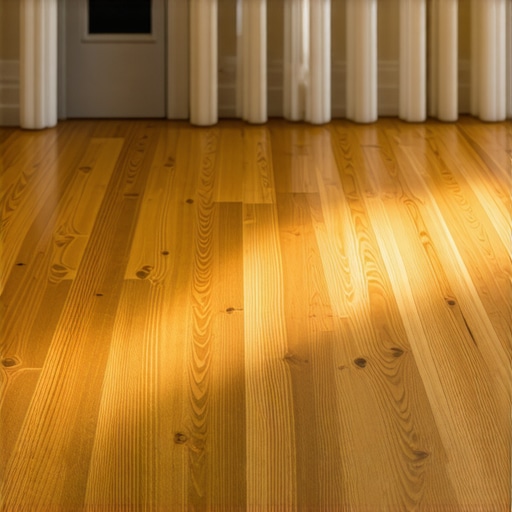
The chemistry of the 20 year patina
Matching new hardwood to 20-year-old floors requires identifying the specific wood species and the chemical degradation of the original finish. You must analyze the grain pattern, the botanical origin of the wood, and the current moisture content of both the old planks and the subfloor. Structural success depends on mechanical bond and cellular compatibility.
I once walked into a house where a $15,000 wide-plank walnut floor was cupping so bad it looked like a potato chip because the installer didn’t check the crawlspace humidity. The homeowner thought they could just buy another batch of walnut and have it look identical. It was a disaster. The original floor had been installed in 1998, and the new wood was from a different region with a completely different growth rate. The cellular structure of the new wood absorbed moisture at a rate that the 20-year-old kiln-dried wood simply couldn’t match. This is the reality of hardwood floors. You aren’t just buying boards, you are managing a living, breathing biological material that has its own history and chemical memory. When you try to add to an existing floor after two decades, you are fighting against twenty years of UV exposure, oxidation, and structural settling. It is not an aesthetic task. It is a structural engineering challenge that requires precision and a deep understanding of wood anatomy.
Why your subfloor is lying to you
Subfloor levelness and moisture content are the two primary factors that determine if a new hardwood installation will fail next to an old one. A 20-year-old subfloor has likely developed dips, crowns, and structural fatigue that a new subfloor won’t have. You must use a moisture meter to ensure the concrete or plywood is within 2 percent of the existing hardwood floors moisture level.
“A floor is only as good as the subfloor beneath it; deflection is the enemy of every joint.” – Master Flooring Axiom
The physics of the subfloor are unforgiving. Most guys skip the leveling compound. They think the underlayment will hide the dip. It won’t. I spent three days grinding concrete on a job last month just so the floor wouldn’t click like a castanet. If the subfloor is off by even 1/8 inch over 10 feet, the new boards will move differently than the old ones. This mechanical movement creates friction at the transition point. Over time, that friction wears down the tongue and groove joints, leading to a permanent squeak or a full structural failure. This is especially true if you are transitioning from hardwood floors to a wet area like showers or kitchens where the moisture gradients are higher. The grout in the adjacent tile will crack if the wood subfloor isn’t stiff enough. You need to look at the deflection rating (L/360 for wood, L/720 for stone) before you even think about the color of the oak. Many people think laminate is an easier match, but laminate is a floating system with a different expansion coefficient. Mixing a fixed hardwood floor with a floating laminate is a recipe for a trip hazard at the transition strip.
| Metric | 20-Year-Old White Oak | New White Oak (Select) | Engineered Alternative |
|---|---|---|---|
| Moisture Content | 6 to 8 percent | 9 to 11 percent | 7 to 9 percent |
| UV Oxidation | High (Amber/Yellow) | Zero (Raw Lignin) | Variable (Factory Finish) |
| Milling Profile | Imperial (3/4 inch) | Metric/Imperial Mix | Varies by Brand |
| Cellular Density | High (Old Growth) | Lower (Fast Growth) | Cross-Ply Core |
The myth of the universal oak
Identifying the species is the first step because Red Oak and White Oak react differently to stains and environmental changes. You must perform a chemical test using a sodium nitrite solution to confirm if your floor is White Oak, as it contains higher levels of tannin which causes a dark reaction. Red Oak lacks these tannins and will not change color during the test.
- Identify the wood species through grain pattern and chemical tannin tests.
- Measure the board width with a digital caliper to the nearest millimeter.
- Verify the subfloor moisture content using a pin-style or pinless meter.
- Acclimate the new wood for at least 14 days in the living environment.
- Check the milling height to ensure the tongue and groove alignment matches.
The 1/8 inch that ruins everything is often found in the milling. Over 20 years, the machines that cut hardwood floors have changed. Even if you buy 3/4 inch solid oak, the height of the tongue might be a fraction of a millimeter different than it was in 2004. If you don’t check this, you will have a lip at the transition. This is why I always suggest sanding the entire floor, old and new, at the same time. You cannot match a 20-year-old polyurethane finish. The chemicals in the old oil-based finishes have ambered and cross-linked into a hard, brittle shell. Modern water-based finishes have a completely different refractive index. If you just finish the new section, the light will hit the floor and show a clear line where the old world ends and the new one begins. This is particularly noticeable near large windows or glass showers where natural light highlights every imperfection in the film thickness. While most people want the thickest underlayment, too much cushion actually causes the locking mechanisms on LVP to snap under pressure, and the same logic applies to the padding used under some wood products. You want a firm, non-compressible base to maintain the integrity of the joint.
The physics of expansion and the perimeter gap
Hardwood floors expand and contract based on the relative humidity of the room, requiring a mandatory expansion gap at the perimeter. For a 20-year-old floor, the wood has reached a state of equilibrium with the home. New wood, even when acclimated, will undergo a period of significant movement as it adjusts to the localized climate.
Lignin is the organic polymer that holds wood fibers together. Over two decades, UV radiation breaks down the lignin on the surface of your hardwood floors, changing the color. This is called photodegradation. If you move a rug that has been in the same place for 20 years, you will see the original color of the wood. This is the color you are actually trying to match with the new wood, not the ambered color of the surrounding floor. If you match the ambered color today, in five years the new wood will have ambered further, and you will have two different colors again. The only way to win this game is to strip the old floor back to raw wood. This removes the oxidized layer and the old finish. It reveals the true character of the wood cells. From there, you can apply a consistent stain across the entire surface. This is the structural approach to board integration. It is messy, it is expensive, and it is the only way to ensure the floor looks like it was all installed on the same day. Anything else is just a patch job that will haunt you every time the sun hits the floor. Forget about shortcuts. A floor is a permanent part of the building envelope, and it deserves the respect of a proper installation.