
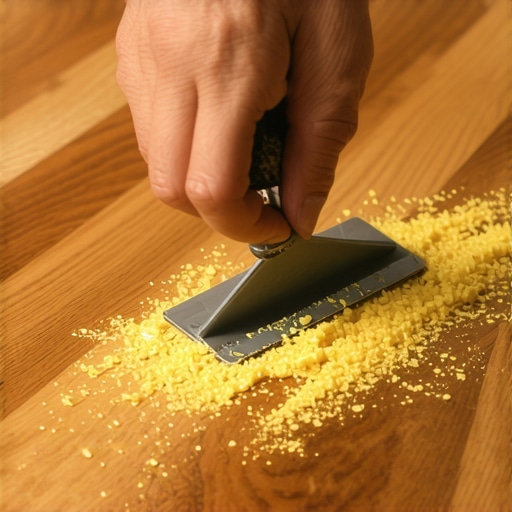
I spent three days grinding concrete on a job last month just so the floor wouldn’t click like a castanet. Most guys skip the leveling compound and think the underlayment will hide the dip. It won’t. When you pull back a thirty year old carpet and find a sea of yellow or black adhesive crusted onto 1940s red oak, your first instinct is to reach for a gallon of caustic stripper. That is a mistake. Chemical strippers turn glue into a toxic slurry that sinks deeper into the wood grain, making the eventual sanding process a nightmare. Real floor mechanics use mechanical force and thermal physics to reclaim the wood without ruining the lignin fibers that hold the planks together.
The adhesive bond at a molecular level
Removing carpet glue without chemicals requires breaking the mechanical bond between the dried adhesive and the wood surface using temperature or friction. Old adhesives are typically petroleum based mastics or water based polymers that have petrified over decades. Breaking these bonds manually prevents the wood from absorbing moisture or chemical solvents. Most installers do not realize that wood is a porous sponge. If you pour a chemical solvent on top of old glue, you are creating a liquid solution that the wood cells will drink. Once that solvent is in the wood, no amount of sanding will guaranteed a perfect finish. You are left with ghosting patterns where the finish refuses to bond. I have seen million dollar homes ruined because someone wanted a shortcut with a bottle of orange oil or mineral spirits.
The subfloor secret that ruins finishes
I once walked into a house where a $15,000 wide plank walnut floor was cupping so bad it looked like a potato chip because the installer didn’t check the crawlspace humidity. The same logic applies to glue removal. If you do not understand what is happening at the subfloor level, you are doomed. Most carpet glue was applied with a notched trowel. Those ridges are now hard as rock. If you try to sand them off immediately, your sandpaper will heat up, melt the glue, and clog the grit in ten seconds. You will spend five hundred dollars on sandpaper alone for a single room. You have to get the bulk of it off with a scraper first.
“A floor is only as good as the subfloor beneath it; deflection is the enemy of every joint.” – Master Flooring Axiom
Physical scrapers versus thermal shock
Mechanical removal of carpet glue involves using heavy duty floor scrapers with replaceable carbon steel blades to shear the adhesive from the wood. Using a dry ice treatment provides thermal shock that makes the glue brittle enough to shatter. These methods keep the wood dry and the grain intact. You need a sharp edge. I prefer a two handed pull scraper. You aren’t just pushing it; you are using your body weight to slice under the glue. If the glue is particularly stubborn, you can use dry ice. You place the dry ice on the glue for a few seconds. The sudden drop in temperature causes the glue to contract faster than the wood. You will hear a crackling sound. That is the sound of the bond failing. After that, the glue usually pops off in clean chunks.
The math of manual labor
Cleaning a floor this way is not fast. It is a slow and methodical process that respects the material. You should expect to spend about one hour for every fifteen square feet of glue. This table breaks down the reality of what you are facing when you peel back that carpet.
| Adhesive Type | Texture | Difficulty | Best Tool |
|---|---|---|---|
| Yellow Mastic | Brittle/Hard | Medium | Pull Scraper |
| Black Cutback | Tar-like | Extreme | Dry Ice |
| Tan Latex | Rubbery | High | Oscillating Tool |
| Pressure Sensitive | Tacky | Low | Floor Scraper |
Water as a double edged sword
Hot water can soften water based glues for easier removal but introduces the risk of wood swelling and grain raising. Boiling water applied in small increments can liquefy old tan glues without the toxicity of solvents. You must dry the wood immediately to prevent permanent moisture damage or cupping. I have seen guys dump buckets of water on a hardwood floor. That is a crime. If you must use water, use a damp rag and a heat gun. The heat gun softens the glue while the moisture prevents it from scorching. It is a delicate balance. If you get the wood too hot, you will burn the tannins and leave a dark spot that won’t sand out. If you get it too wet, you will be waiting two weeks for the moisture meter to hit 8 percent before you can even think about a sander.
A checklist for the serious installer
- Heavy duty pull scraper with at least five replacement blades
- Handheld oscillating tool with a rigid scraper attachment
- Industrial heat gun with variable temperature settings
- Personal protective equipment including a P100 respirator and knee pads
- Moisture meter to track the subfloor health during the process
- A shop vac with a HEPA filter to catch the lead based dust often found under old carpets
The ghost in the expansion gap
Adhesive hidden in the expansion gaps around the perimeter of a room can lock a floor in place and cause buckling. Removing every trace of glue from the edges ensures the hardwood can expand and contract with seasonal humidity changes. Neglecting the edges is the primary cause of floor failure after refinishing. While most people want the thickest underlayment, too much cushion actually causes the locking mechanisms on LVP to snap under pressure. For hardwood, the equivalent mistake is leaving glue in the gaps. The wood needs to move. If the glue is hard as concrete and wedged against the baseboard, the floor has nowhere to go when the summer humidity hits. It will buckle. I have spent hours with a small chisel just clearing out the perimeter. It is tedious work that separates the professionals from the hacks.
“Wood moves in two directions; if you do not give it space, it will find its own space through force.” – Master Flooring Axiom
Why your subfloor is lying to you
Subfloors often hide structural defects like dip and crown under layers of old adhesive and carpet padding. Cleaning the wood back to a raw state allows for a proper assessment of the floor levelness and structural integrity. A clean subfloor is the only way to guarantee a squeak free finish. You might think the floor is flat while the glue is still there. Once you scrape it down, you might realize the joists have sagged. This is the time to fix it. If you have a dip, you might need to shim it from below or use a cementitious leveler if you are putting a different floor on top. But if you are saving the hardwood, you have to know what you are working with. No finish in the world can hide a bad subfloor. The physics of the house will always win. Use a six foot straight edge. If you see light under that bar, you have work to do. Removing the glue is just the first step in a long process of respecting the engineering of the home.