
The subfloor secret that contractors hide
Determining if a shower leak originates from the drain or the grout requires a systematic isolation test involving a rubber drain plug and targeted water application to specific floor areas. Most guys skip the leveling compound. They think the underlayment will hide the dip. It won’t. I spent three days grinding concrete on a job last month just so the floor wouldn’t click like a castanet. That same level of obsession is needed here. When you see water damage on the ceiling below or moisture creeping into your hardwood floors, you cannot guess. You have to know. A drain leak is a plumbing failure. A grout leak is a system failure. The subfloor is the foundation of your sanity. If that slab is wet, your expensive finish materials are already dying. We deal with the physics of moisture migration, not just the aesthetics of a clean joint.
Testing the drain with a simple rubber plug
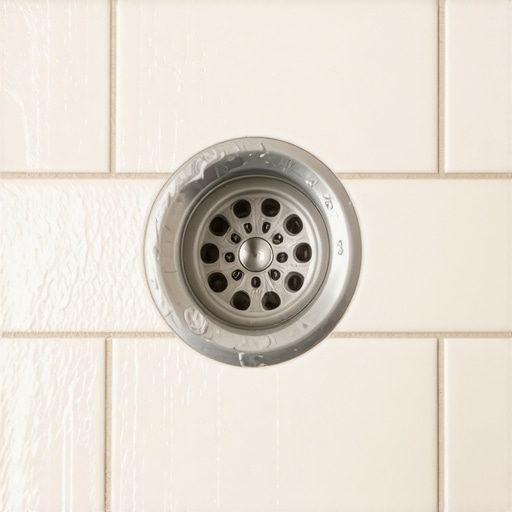
To isolate a drain leak, you must plug the shower drain and fill the basin with enough water to cover the clamping ring without touching the grout lines. This test focuses strictly on the mechanical connection between the plumbing and the shower pan. If the water level drops while the drain is plugged, the leak is in the drain assembly or the pan liner itself. You smell that? That is the scent of PVC primer and the reality of a failed mechanical bond. Most installers fail to properly clean the subfloor before setting the flange. They leave dust. They leave debris. The flange sits 1/16 of an inch high. It creates a stress point. Over time, the weight of the water and the person standing in the shower causes that plastic to flex. It cracks. It leaks. You do not need a fancy camera to find this. You need a $5 expansion plug from the hardware store and patience. Let it sit for four hours. If the ceiling below starts dripping, you found your culprit. It is the drain.
“A floor is only as good as the subfloor beneath it; deflection is the enemy of every joint.” – Master Flooring Axiom
Why grout fails under hydraulic pressure
Grout is a porous cementitious material that resists water but does not provide a waterproof barrier, meaning sustained exposure leads to saturation and seepage. If your drain test comes back dry, the focus shifts to the tile surface. Grout is basically just sand and Portland cement. Under a microscope, it looks like a sponge. When you spray water directly at a cracked grout line, the water travels via capillary action behind the tile. It hits the thin-set. If the installer did not use a waterproofing membrane like a topical liquid or a fleece-bonded sheet, that water goes straight into the subfloor. This is where your hardwood floors start to cup. Moisture moves sideways. It finds the path of least resistance. It travels along the joists. It soaks into the plywood. By the time you see a stain, the wood is already at 18 percent moisture content. It is a slow death for your flooring. You need to inspect the changes in plane, specifically where the floor meets the wall. That is where movement happens. If that joint is grout and not 100 percent silicone caulk, it will crack. It will leak.
The science of the weep hole blockage
Weep holes are small openings in the drain flange designed to allow moisture that has bypassed the grout to escape into the plumbing rather than pooling on the liner. This is the most misunderstood part of shower architecture. When a hack installer throws a handful of dry sand over the drain or gunked up thin-set blocks those holes, the water has nowhere to go. It sits. It stagnates. This creates a swamp under your feet. Eventually, the water builds enough hydraulic pressure to push through the liner’s nail holes or over the curb. This is why you see laminate floors in the hallway turning into mush. The water is literally being pumped out of the shower pan by your own body weight every time you take a shower. It is a mechanical failure caused by ignorance of the TCNA standards. You can clean these holes with a small wire if you can reach them, but usually, once they are blocked, the pan is a ticking time bomb.
| Leak Symptom | Likely Cause | Repair Complexity |
|---|---|---|
| Constant drip below drain | Drain Flange/Pipe | Moderate |
| Leak only during long showers | Grout/Sealant Failure | Low |
| Water under adjacent laminate | Blocked Weep Holes | High |
| Cupping hardwood in hallway | Subfloor Migration | High |
The way water destroys hardwood floors
Hardwood floors react to shower leaks through hygroscopic expansion, where the wood fibers absorb moisture from the subfloor and swell, causing the edges of the planks to rise. This is not a surface problem. It is a bottom-up catastrophe. When your shower grout fails, the water sits on the subfloor. The bottom of your oak or walnut floor stays wet while the top stays dry. This imbalance causes the cells in the wood to expand unevenly. You get cupping. You cannot sand this out. If you sand a cupped floor before it is dry, you will end up with crowning once the moisture levels stabilize. You need a pin-type moisture meter. You need to check the subfloor. If the subfloor is over 12 percent, you are in trouble. The chemistry of the wood is changed forever by the minerals in the shower water. It leaves salts. It leaves stains. It ruins the finish bond. This is why I tell people to keep their showers tight. A $20 tube of silicone is cheaper than $10,000 in new wide-plank white oak.
“Standard grout is not waterproof; it is a filter that manages water flow through the tile assembly.” – TCNA Technical Guide Reference
Laminate planks and the moisture sponge effect
Laminate flooring consists of a high-density fiberboard core that acts like a sponge when exposed to edge moisture from a shower leak, leading to permanent swelling and delamination. Unlike real wood, laminate does not have a grain structure that can stabilize. Once the edges get wet, the core expands. It will buckle. The joints will peak. You see those little ridges at the seams? That is the sound of your floor dying. Even if the manufacturer says the floor is waterproof, that only applies to the top surface. The locking mechanisms are the weak point. If a shower leak migrates under the transitions, the floor is done. You cannot fix it. You have to tear it out. This is why the transition from a tiled bathroom to a laminate hallway is the most dangerous spot in the house. You need an expansion gap. You need to seal that gap with 100 percent silicone to create a dam. If you don’t, the first time your grout fails, your hallway floor becomes a wavy mess.
- Check the drain plug seal after thirty minutes of standing water.
- Inspect grout lines for hairline fractures using a magnifying glass.
- Check the moisture content of the subfloor at the shower entrance.
- Verify that the shower curb is sloped toward the drain.
- Look for mold growth on the baseboards adjacent to the shower.
- Test the shower arm pipe behind the wall for spray leaks.
The ghost in the expansion gap
The expansion gap around the perimeter of a shower is a vital safety valve for moisture, but it often becomes a hidden highway for leaks to travel into the rest of the home. Most homeowners want their floor to sit flush against the shower base. They hate the look of a gap. But buildings move. Slabs shift. If you pack that gap with grout, it will crack within six months. Water will find that crack. It will disappear under the floor. This is the ghost in the machine. You think the leak is a pipe, but it is just gravity. I have seen water travel fifteen feet from a shower through a subfloor gap to pop up under a kitchen island. You have to understand the physics of the slope. If your subfloor is not level, the water follows the dip. Grinding concrete is not just for the flooring finish. It is for water management. Every 1/8 inch of a dip is a potential lake for a leak to hide in. Keep your gaps clean and keep them sealed with high-grade flexible sealant. Do not trust grout in a corner. Ever.