
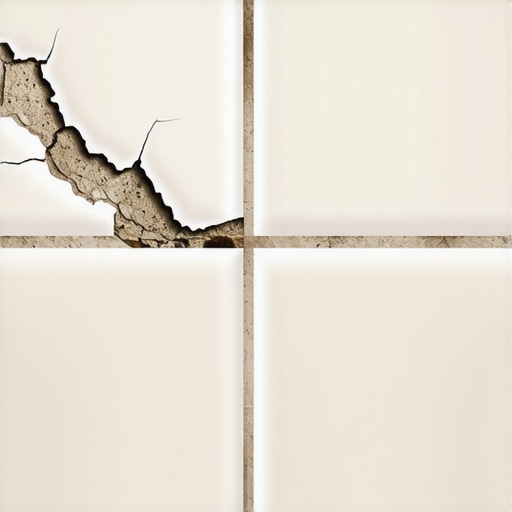
The chemical assault on your shower floor and why it matters
Most guys skip the leveling compound. They think the underlayment will hide the dip. It won’t. I spent three days grinding concrete on a job last month just so the floor wouldn’t click like a castanet. If you think your shower floor is any different, you are mistaken. A shower is a high-stakes engineering environment where moisture, chemistry, and structural deflection collide. When you take a bottle of vinegar to your grout, you are not cleaning. You are engaging in a slow-motion demolition of the cementitious bond that keeps your bathroom from rotting. I have spent twenty-five years looking at the underside of failed subfloors. I have seen what happens when the bond fails. The smell of moldy plywood and the sight of rusted nails tell a story of maintenance gone wrong. Most homeowners treat their floors like a decoration. They forget that the floor is a performance surface. It is a structural layer that must withstand thousands of pounds of pressure and constant thermal expansion. Vinegar is the enemy of that stability.
The acid that eats your bathroom from the inside out
Vinegar is a diluted form of acetic acid and it aggressively reacts with the calcium carbonate found in standard cement-based grout. This chemical reaction creates a salt called calcium acetate which is water-soluble. Every time you spray vinegar on your grout, you are literally dissolving the glue that holds the sand particles together. This leads to pitting, powdering, and eventual structural cracking in the shower stall. You might think the bubbles mean the cleaner is working. In reality, those bubbles are the sound of your grout losing its integrity. Once the grout becomes porous, water migrates behind the tile. This is where the real nightmare begins. In my years on the job, I have seen showers that looked perfect from the outside but the subfloor was a sponge. The water travels through the micro-cracks caused by acid erosion and hits the thin-set. It then travels to the waterproof membrane. If that membrane has even a pinhole leak, your joists are in trouble. You are not just cleaning a floor, you are managing a liquid barrier system. Stop using acids. Use a pH-neutral cleaner that respects the chemistry of the installation.
“A floor is only as good as the subfloor beneath it; deflection is the enemy of every joint.” – Master Flooring Axiom
The microscopic war between acetic acid and calcium
Acetic acid molecules seek out alkaline components like portland cement to achieve chemical neutrality. This process is called neutralization but in the context of your shower it is destruction. The cement binder is the matrix that holds the aggregate in place. When the acid strips the binder, the sand falls out. You will notice this as a fine grit on your shower floor. That grit is the skeleton of your floor being washed away. For those with hardwood floors nearby, the danger is doubled. If the grout fails, the moisture levels in the surrounding subfloor spike. This leads to cupping and crowning in the adjacent rooms. I once saw a solid oak floor in a hallway buckle two inches off the ground because the master shower had a slow leak caused by acid-thinned grout. The wood absorbed the vapor pressure from the saturated subfloor. It did not matter that the wood was high-quality. The structural failure started with a bottle of vinegar. You have to think about the house as an ecosystem. One failure in the wet zone affects the moisture content of every organic material in the vicinity.
Why porous grout is a structural liability
Porous grout allows for capillary action where water is pulled deep into the substrate through surface tension. Once water reaches the mortar bed, it can sit there for weeks. This creates a constant state of high humidity under the tile. This environment is the perfect breeding ground for mold. It also softens the bond between the tile and the substrate. When you step on a tile that has a softened bond, it moves. That movement is called deflection. Even a movement of 1/360th of the span is enough to crack grout that has been weakened by vinegar. This is why you see those hairline cracks in the corners. It is not just settling. It is chemical degradation followed by mechanical failure. You need to treat your grout like the structural seal it is. If you want a floor that lasts forty years, you treat it with respect. You do not use kitchen condiments to maintain a professional installation. I have seen laminate floors in kitchens fail for the same reason. People mop them with too much water and vinegar, and the HDF core swells like a biscuit. The chemistry of cleaning is just as important as the physics of the installation.
The technical reality of moisture barriers and vapor drive
Vapor drive is the force that pushes moisture from an area of high concentration to an area of low concentration. In a shower, the vapor drive is intense. If your grout is compromised, the vapor reaches the backer board. Even if you use cement board, it is not waterproof. It is water-durable. It will not rot, but it will let water pass through to the wooden studs. This leads to dry rot. Dry rot is a misnomer because it requires moisture to start. It eats the lignin in the wood and turns your structural members into powder. I have had to replace entire floor joists because a homeowner wanted to save five dollars on a bottle of neutral cleaner. You have to understand the mil-thickness of your waterproofing. Most liquid-applied membranes need to be at least 30 to 50 mils thick. If your grout is failing, that membrane is the only thing standing between you and a ten-thousand-dollar repair bill. Do not test your luck by using vinegar. It is a gamble with the structural integrity of your home. You want a floor that is solid and silent. You do not want a floor that clicks or squishes.
“Tile is a finish material, not a structural component, and it requires a rigid, stable substrate.” – TCNA Handbook Principles
Comparing grout types and chemical resistance
Selecting the right grout is the first step in preventing chemical erosion. Not all grouts are created equal. Cementitious grout is the most common but also the most vulnerable to acids. Epoxy grout is nearly impervious to acids but is much harder to install. It requires a two-part chemical mix that hardens into a plastic-like substance. If you are a homeowner who insists on using harsh cleaners, you should have paid the premium for epoxy. Laminate and hardwood floors also have specific maintenance requirements that people ignore. You cannot treat every surface with the same spray bottle. Below is a breakdown of how different materials handle chemical exposure.
| Material Type | Chemical Sensitivity | Impact of Vinegar | Recommended Maintenance |
|---|---|---|---|
| Cement Grout | High | Dissolves Binder | pH-Neutral Cleaner |
| Epoxy Grout | Low | Negligible | Steam or Neutral Soap |
| Hardwood | Extreme | Damages Finish | Microfiber Dusting |
| Laminate | Medium | Swells Core | Damp (not wet) Mop |
The 1/8 inch gap that saves your reputation
The expansion gap at the perimeter of a floor is the most overlooked detail in modern construction. Every material expands and contracts with changes in temperature and humidity. In a shower, this happens every time you turn on the hot water. If the grout is hard and brittle, and the cleaning has made it even more so, it will crack at the corners. This is why we use 100 percent silicone caulk at the change of plane. Silicone can stretch and compress. Grout cannot. If you use vinegar on the silicone, you can also degrade the bond over time, leading to peeling. A good installer knows that the gap is where the magic happens. Without that 1/8 inch of space, the floor has nowhere to go. It will tent or buckle. I have seen hardwood floors lift right off the subfloor because they were installed tight against the drywall. The house breathed, the floor didn’t, and the floor lost. The same logic applies to your shower. If you maintain the grout with acid, you lose the seal. If you lose the seal, the expansion forces will tear the floor apart.
A checklist for the paranoid homeowner
Regular inspections are the only way to catch grout failure before it becomes a structural catastrophe. You should be looking at your shower floor at least once a month with a critical eye. Do not just look for dirt. Look for structural clues. Use this checklist to ensure your installation remains sound for the long haul.
- Inspect for pinholes in the grout lines which indicate the binder is washing away.
- Run a fingernail over the grout to see if any sand grains dislodge.
- Check the junction where the wall meets the floor for any separation in the sealant.
- Look for dark spots in the grout that do not dry out hours after the shower is used.
- Check the adjacent rooms for any signs of wall baseboard swelling.
- Test the grout sealer once a year by dropping water on it to see if it beads up.
The ghost in the expansion gap
Thermal expansion is a silent force that can generate thousands of pounds of pressure per square inch. When you pour hot water onto a cold tile floor, the tiles expand instantly. The grout is the buffer. If that buffer is brittle from acid damage, it will fail. This is why you hear those strange popping sounds in your house at night. It is the sound of materials struggling against each other. In the world of hardwood floors, we call this the ghost in the floor. It is the sound of a floor that was not acclimated or was installed too tight. In a shower, that ghost leads to a leak. While most people want the thickest underlayment, too much cushion actually causes the locking mechanisms on LVP to snap under pressure. Similarly, too much cleaner on a grout line causes the structure to snap. You need a balance of rigidity and flexibility. You get that by using the right chemicals and the right installation techniques. Forget the DIY hacks you see online. They are written by people who have never had to replace a rotted subfloor. Listen to the guys who have sawdust under their nails. We know what works because we have seen everything fail.