
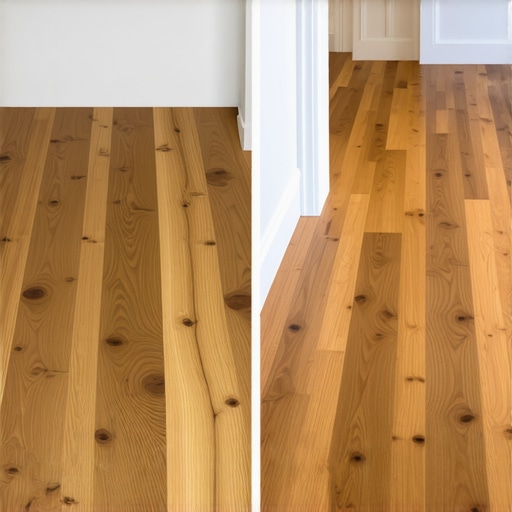
Most guys skip the leveling compound. They think the underlayment will hide the dip. It won’t. I spent three days grinding concrete on a job last month just so the floor wouldn’t click like a castanet. That is the reality of floor prep that the big-box retailers never tell you when they sell you a pallet of laminate. They want you to believe it is a simple weekend project. It is not. It is a structural engineering task that happens to look like wood when you are finished. If your subfloor is out of spec by even an eighth of an inch over ten feet, your expensive AC5 rated floor will fail just as fast as the cheapest clearance junk. I have seen it a thousand times. The dust from that concrete grind stays in your nose for a week, but it is the only way to ensure the locking mechanisms do not snap under the weight of a refrigerator or a heavy bookshelf. Flooring is not about the top layer. It is about the foundation.
The hidden physics of the abrasion class system
AC ratings represent a standardized durability scale determined by the Taber Test which measures how many cycles of abrasive friction a laminate surface can withstand before the decorative layer is breached. AC3 is designed for heavy residential use while AC5 is engineered for high-traffic commercial environments like department stores or hotel lobbies. The core difference lies in the concentration of aluminum oxide particles within the wear layer. When we talk about these ratings, we are talking about the ability of the floor to resist the micro-scratches caused by grit, pet claws, and the constant movement of furniture. It is a measurement of surface endurance, not structural thickness or impact resistance. You can have a thick 12mm board with a weak AC2 rating, or a thin 7mm board with a robust AC4 rating. The number tells you how long the finish will last before you start seeing the white paper underneath the wood grain print.
“A floor is only as good as the subfloor beneath it; deflection is the enemy of every joint.” – Master Flooring Axiom
Why the AC3 rating is the residential gold standard
AC3 laminate floors are built to survive the standard chaos of a busy household including foot traffic from families and the occasional dropped kitchen utensil. These boards typically withstand 2,000 to 2,500 cycles of the Taber abrasion test which is more than enough for a bedroom or a living room. The surface of an AC3 board is smooth enough for bare feet but tough enough to handle the sliding of a dining chair. In the world of laminate, AC3 is the point where price meets performance. It offers a softer texture than its commercial counterparts. This is because the wear layer contains fewer aluminum oxide crystals, making it less abrasive to skin and socks. If you choose an AC3 floor for a low-traffic area like a guest room, that floor will likely outlive your interest in its color. The chemistry of the resin used in AC3 products is optimized for elasticity, allowing it to move slightly with the natural expansion and contraction of the HDF core without cracking.
The sandpaper effect of AC5 commercial grade boards
AC5 laminate is the heavyweight champion of the flooring world designed to withstand 6,000 or more cycles of abrasive wear in environments with constant foot traffic. While it sounds superior for a home, the high concentration of aluminum oxide makes the surface feel significantly more textured and rough to the touch. If you walk on AC5 laminate in your socks, you might notice they wear out faster. It is essentially like walking on very fine sandpaper. This rating is overkill for a typical residential hallway. However, if you have three ninety pound dogs that treat your hallway like a racetrack, AC5 might be your only hope. The manufacturing process for AC5 involves a much higher pressure during the lamination phase. This results in a surface that is nearly impervious to scratches but can be more brittle. If you drop a heavy cast iron skillet on an AC5 floor, the surface is more likely to shatter or chip because it lacks the flexibility found in lower rated residential products.
| Feature | AC3 Residential | AC5 Commercial |
|---|---|---|
| Taber Test Cycles | 2,000 – 2,500 | 6,000+ |
| Common Use Case | Living rooms, kitchens | Malls, airports, salons |
| Texture Feel | Smooth and comfortable | Rough and abrasive |
| Core Density | Standard HDF | Ultra-High Density HDF |
| Price Point | Affordable | Premium |
The myth of the waterproof locking system
Waterproof laminate is a marketing term that refers to the ability of the surface and the tight locking joints to prevent liquid from reaching the HDF core for a specific window of time. No laminate floor is truly waterproof in the way that porcelain tile is because the core is still made of compressed wood fibers. When homeowners see the word waterproof, they think they can install it in showers or let a plumbing leak sit for three days. That is a recipe for disaster. The moment water bypasses the topical seal and hits the edge of the board, the HDF will swell like a sponge. This is why acclimation is vital. You must let the boards sit in the room for 48 to 72 hours before installation. If you install them straight from the warehouse, they will expand or contract once they are locked together, breaking the very seal that is supposed to keep the moisture out. The physics of wood fiber cannot be cheated by a thin layer of wax on the tongue and groove.
The 1/8 inch that ruins everything
Subfloor flatness is the most ignored variable in flooring installation and it is the primary cause of clicking sounds and failed locking mechanisms in both AC3 and AC5 products. A deviation of more than 3/16 of an inch over a ten foot radius will cause the floor to bounce and eventually snap the plastic or wood lips of the joints. I have walked into many homes where the owner complained about a squeaky floor. They always blame the product. I always pull up a board and show them the dip in the plywood or concrete. You cannot bridge a canyon with laminate. The underlayment is there for sound dampening and moisture protection, not to act as a structural bridge. If you have a high spot, you grind it. If you have a low spot, you pour self-leveling compound. There are no shortcuts. This is especially true with AC5 boards because their rigidity makes them less forgiving of subfloor imperfections than the slightly more flexible AC3 boards.
“Surface durability is a vanity metric if the structural integrity of the joint is compromised by subfloor deflection.” – Master Flooring Axiom
The chemistry of the wear layer and light refraction
The visual appeal of your floor is dictated by how the wear layer interacts with light. In AC3 floors, the lower density of protective particles allows more light to pass through to the decorative paper, resulting in a clearer and more realistic wood grain appearance. AC5 floors can sometimes look slightly milky or clouded because the heavy load of aluminum oxide scatters the light. This is the trade-off. You are trading aesthetic clarity for industrial strength. If you are choosing a dark walnut pattern, the clouding of an AC5 rating will be much more noticeable than on a light oak pattern. Furthermore, the gloss level matters. High gloss AC5 is rare because the abrasive nature of the wear layer makes it difficult to maintain a mirror finish. Most high-durability floors come in matte or satin finishes to hide the micro-abrasions that occur over time.
- Check subfloor moisture levels with a calcium chloride test before starting.
- Use a 6-mil poly film moisture barrier over all concrete slabs regardless of grade.
- Leave a minimum 3/8 inch expansion gap around the entire perimeter of the room.
- Never tap the boards directly with a hammer; always use a tapping block.
- Avoid using steam mops on any laminate as the heat can delaminate the edges.
The ghost in the expansion gap
People hate baseboards and transitions. They want a seamless look from the front door to the back of the house. That desire is exactly what kills laminate floors. Laminate is a floating floor. It is a giant wooden raft that needs to grow and shrink with the seasons. If you run your AC5 laminate through a doorway without a T-molding, you are pinning the floor. When the humidity hits 60 percent in the summer, that floor will grow. If it has nowhere to go, it will peak at the joints. It will look like a tent in the middle of your hallway. I have seen floors rip the baseboards off the wall because the installer didn’t leave enough room. You need that gap. It is the lungs of the floor. Without it, the floor suffocates and dies. This is non-negotiable, regardless of whether you spent five dollars a square foot or fifty cents.
Final technical considerations for the homeowner
Selecting between AC3 and AC5 is about assessing the specific mechanical stresses of your environment. For a standard home, AC3 is almost always the superior choice because it offers a better balance of comfort, clarity, and durability. AC5 should be reserved for home offices with rolling chairs or households with massive pets and direct exterior access where sand and grit are tracked in constantly. Remember that the AC rating does not protect against fading from UV light or swelling from moisture. It only protects against friction. Treat your subfloor with respect, keep your moisture levels in check, and your laminate floor will serve you for decades. Ignore the prep work, and you will be replacing it in two years. Flooring is a science of millimeters and percentages. Master the physics of the install, and the aesthetics will take care of themselves.