
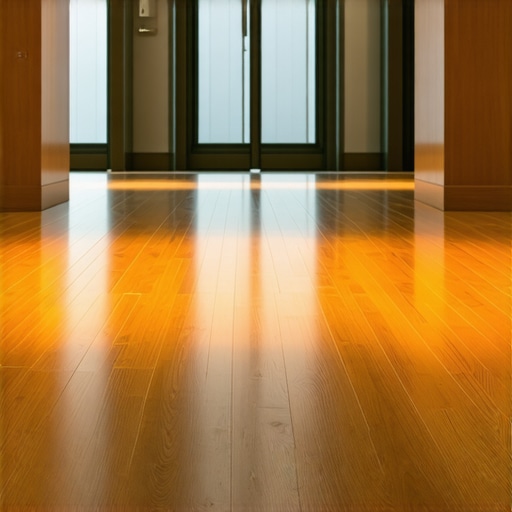
The entry gate battlefield
The entrance to a home is a structural war zone where grit, moisture, and impact pressure converge. Most homeowners view a floor as a cosmetic layer, but a professional installer sees it as a performance surface that must withstand thousands of pounds of per-square-inch pressure. I once walked into a house where a $15,000 wide-plank walnut floor was cupping so bad it looked like a potato chip because the installer didn’t check the crawlspace humidity. It was a tragedy of engineering. Walnut is a beautiful wood, but its cellular structure is too soft and its dimensional stability is too volatile for a high-traffic mudroom where wet boots and abrasive sand are the daily reality. When you are picking a wood for the entryway, you are not picking a color. You are picking a density rating and a cellular response to environmental stress. This guide breaks down the physics of the best species for these high-impact zones.
The Janka scale and structural density
Janka hardness ratings determine how well a wood species resists denting and wear through a standardized test involving a steel ball. The test measures the force required to embed a 0.444-inch steel ball halfway into the wood grain. For a high-traffic entryway, you should never settle for anything under 1,200 on this scale. If you choose a soft wood like pine or cherry, the heels of shoes will create micro-fractures in the finish that eventually allow moisture to penetrate the wood fibers. Once moisture gets into the tracheids and vessels of the wood, the internal pressure causes the cell walls to swell, leading to the dreaded cupping or crowning that ruins the aesthetic of your home. High-density woods have tighter grain patterns and more lignin, which acts as a natural binding agent to keep the structure rigid under heavy loads. You need a wood that can take a hit without the fibers compressing. This is not about the look. It is about the survival of the material under the weight of everyday life.
“A floor is only as good as the subfloor beneath it; deflection is the enemy of every joint.” – Master Flooring Axiom
Hickory and the science of impact
Hickory hardwood is the undisputed king of North American species when it comes to raw durability and shock resistance. With a Janka rating of 1,820, it is significantly harder than white oak or maple. The molecular structure of hickory is characterized by very thick-walled fibers and a dense arrangement of parenchyma cells. This makes the wood incredibly difficult to dent. It was used for tool handles and wagon wheels for a reason. In an entryway, hickory handles the impact of dropped keys or heavy grocery bags without showing a mark. However, this density comes with a trade-off. Hickory is a temperamental species when it comes to moisture. It is hygroscopic to an extreme degree. If your subfloor has a moisture content (MC) that is even 3 percent higher than the flooring itself, the hickory will react. It will pull that moisture into its cells and expand with enough force to pop the fasteners right out of the subfloor. You must acclimate hickory for at least two weeks in a climate-controlled environment before you even think about swinging a flooring mallet. I smell the oak dust and the machine oil on my tools every time I prep a hickory job because I know it will be a fight. But once it is down and sealed, it is nearly bulletproof.
White oak and the moisture defense
White oak flooring is the industry standard for durability because of its unique cellular anatomy known as tyloses. These are balloon-like outgrowths on the parenchyma cells that eventually clog the vascular tissue of the wood. This makes white oak essentially a closed-cell material. This is why white oak is used for wine barrels and boat building. When a guest walks into your foyer with soaking wet boots, the water sits on top of the wood rather than being wicked into the grain like a straw. Red oak lacks these tyloses and has open pores that act like capillary tubes, sucking moisture deep into the board where it can cause rot and staining. White oak has a Janka rating of 1,360, which is plenty hard for residential traffic. It also has a high tannin content, which acts as a natural preservative against fungal decay. If you are worried about the humidity from a nearby bathroom or a wet climate, white oak is the only logical choice for a hardwood entryway. Do not let a salesperson talk you into a cheaper open-grain species if you live in a rainy region.
The microscopic world of wood fibers
Hard maple is another heavyweight contender with a Janka rating of 1,450, but it requires a very specific installation mindset. Maple has an extremely tight, uniform grain that makes it look incredible in minimalist designs. Because the grain is so tight, it does not take stains well. The pigments can not find a place to land. This same density makes it very resistant to the abrasive grit that people track in on their shoes. While a softer wood would be sanded down by the friction of footsteps, maple holds its ground. You have to be careful with the finish, though. A water-based polyurethane is usually best for maple to prevent the wood from turning a yellow, amber color over time. When we talk about wood durability, we are really talking about the resistance of the cellulose and hemicellulose chains to mechanical shearing. A high-traffic entryway is basically a giant piece of sandpaper being rubbed against your floor every day. You need the highest fiber density possible to resist that shearing force.
Comparison of durable species
| Species | Janka Rating | Moisture Resistance | Stability |
|---|---|---|---|
| Hickory | 1820 | Moderate | Low |
| Hard Maple | 1450 | Low | Moderate |
| White Oak | 1360 | High | High |
| Brazilian Cherry | 2350 | High | Moderate |
| Red Oak | 1290 | Low | High |
Why your finish matters more than the wood
Aluminum oxide finishes are the secret weapon for entryways that see heavy foot traffic. Even the hardest hickory in the world will fail if the finish is weak. Modern pre-finished flooring often comes with seven to nine coats of polyurethane infused with aluminum oxide crystals. These crystals are the second hardest mineral on the Mohs scale, just below diamonds. When someone walks on the floor, they are actually walking on the microscopic crystals, not the wood itself. If you are doing a site-finish job, you must use a high-solids oil-modified or a high-quality waterborne finish like Bona Traffic HD. I have seen guys try to use cheap big-box store poly in a foyer and the floor looks like trash in six months. The finish is the sacrificial layer that protects the lignocellulosic structure of the wood. Without a proper wear layer measured in mils of thickness, your hardwood is just expensive kindling. Most high-end engineered floors have a wear layer of 4mm to 6mm, which allows for several sandings over the life of the product. Anything less than a 3mm wear layer in an entryway is a waste of money.
“Deflection is the enemy of every joint; a floor is only as good as the subfloor beneath it.” – Master Flooring Axiom
The ghost in the expansion gap
Expansion gaps are the most overlooked part of a professional installation. Wood is a living material that breathes. It expands and contracts based on the relative humidity of the room. In a high-traffic entryway, the floor is often subjected to rapid temperature changes from the front door opening and closing. If you do not leave a 1/2-inch to 3/4-inch gap at the perimeter, the floor will eventually hit the drywall or the baseplates. When it has nowhere to go, it will buckle. I spent three days grinding concrete on a job last month just so the floor wouldn’t click like a castanet. That clicking sound is the sound of a floor that has no room to move. It is the sound of the locking mechanisms or the tongues and grooves rubbing against each other under stress. People think waterproof LVP is the solution for entryways, but even vinyl has thermal expansion issues. Hardwood is superior because it can be refinished, but it requires that the installer respects the physics of wood movement. You cannot pin a floor down with a heavy kitchen island or a massive built-in shoe rack. The floor needs to float or be fastened in a way that allows the entire assembly to move as one unit.
The 1/8 inch that ruins everything
Subfloor levelness is the difference between a floor that lasts 100 years and one that fails in five. The industry standard is 1/8 inch of deviation over a 10-foot radius. If your subfloor has a dip, every time someone steps on that spot, the wood flexes. This is called deflection. Over time, that deflection will fatigue the wood fibers and snap the tongue right off the board. Most guys skip the leveling compound. They think the underlayment will hide the dip. It won’t. I have seen beautiful white oak floors ruined because the installer was too lazy to pour a few bags of self-leveler. You have to check the subfloor with a straightedge before a single board goes down. If you are installing over concrete, you need to check for moisture using a calcium chloride test or a pinless meter. A slab that looks dry can still be pumping out moisture vapor that will delaminate your floor from the bottom up. For entryways, I always recommend a high-quality moisture barrier or an epoxy primer to seal the slab before the hardwood goes down.
Critical installation checklist
- Test subfloor moisture levels with a calibrated meter.
- Acclimate wood species to the site humidity for 7 to 14 days.
- Ensure subfloor levelness is within 1/8 inch over 10 feet.
- Leave a minimum 1/2 inch expansion gap around the entire perimeter.
- Use a high-quality underlayment with a high sound-dampening rating.
- Apply a commercial-grade finish with aluminum oxide or high-solids poly.
- Install a heavy-duty walk-off mat to catch abrasive grit at the door.
The final word on entryway density
Choosing the right species for your entryway is an exercise in structural engineering. Hickory offers the highest impact resistance, white oak provides the best moisture defense, and hard maple gives you the cleanest aesthetic with high density. Avoid soft woods like walnut, pine, or cherry in these zones. Always prioritize the Janka rating and the cellular structure of the wood over the initial price point. A cheap floor will cost you twice as much when you have to rip it out in five years. If you respect the subfloor, manage the moisture, and choose a species with the right molecular density, your entryway floor will outlast the house itself. It will buckle if you ignore these rules. It is that simple. Stick to the NWFA standards and do not cut corners on the leveling or the finish. Your floor is the foundation of your home’s performance. Treat it with the respect that 25 years of sawdust under the nails has taught me. Hardwood is the best choice for a home, but only if you choose the right wood for the right room. Entrance halls are for the heavyweights. Leave the soft woods for the bedrooms.