
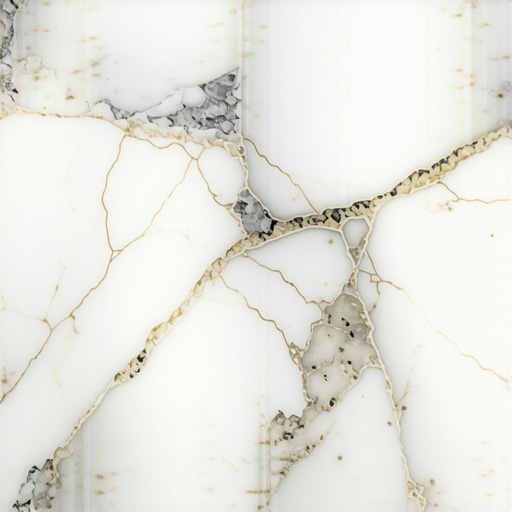
I see it every single week in my shop. A customer walks in with a pained expression and a piece of Carrara marble that looks like it was scrubbed with a brick. They usually start by telling me how much they paid for the stone back in 2018. Then they tell me they wanted to go green and avoid harsh chemicals. They read a blog post about the wonders of white vinegar. They thought they were being responsible homeowners. Instead, they were literally dissolving their investment. Most guys skip the leveling compound and think the underlayment will hide the dip. It won’t. I spent three days grinding concrete on a job last month just so the floor wouldn’t click like a castanet. But even a level floor cannot survive the chemical warfare of a homeowner armed with a gallon of acetic acid. If you treat your marble like it is a piece of plastic laminate, you are going to have a very expensive bad time. I have been around floor wax and oak dust for twenty five years. I have seen beautiful showers ruined because people treat stone like it is bulletproof. It is not. It is a porous, prehistoric sponge made of calcium that wants to return to the earth.
The silent chemical war on your bathroom floor
Marble bathroom floors are composed of calcium carbonate which reacts violently with acetic acid found in vinegar. This chemical reaction causes permanent etching by dissolving the surface minerals of the stone. To protect natural stone you must avoid acidic cleaners and use pH neutral detergents exclusively. When you pour vinegar on a marble tile, you are witnessing a molecular breakdown. The acetic acid looks for the calcium carbonate in the stone. It creates a chemical reaction that results in calcium acetate, water, and carbon dioxide. To the naked eye, this looks like a dull spot or a cloudy white mark. To a professional, it is a surface that has been physically eaten away. This is not a stain. You cannot wipe an etch away. You have to mechanically polish the stone back down to a smooth surface to fix it. People love to talk about the beauty of natural stone but they rarely want to talk about the high maintenance chemistry required to keep it that way. If you want a floor you can douse in harsh cleaners, go buy a cheap porcelain or a high quality laminate. If you want marble, you have to respect the pH scale. Anything below a seven on that scale is an enemy to your bathroom floor.
Why your subfloor is lying to you
Subfloor deflection is the hidden movement of the floor structure that causes marble tiles and grout to crack under pressure. For natural stone the industry standard is L/720 which requires a floor to be twice as stiff as standard ceramic tile installations. Most plywood subfloors fail this metric. Most installers just want to get the job done and get paid. They will tell you that a layer of 1/4 inch backer board is enough. It is not. I have seen $20,000 marble jobs turn into a jigsaw puzzle of cracks because the joists were spaced twenty four inches on center and the installer didn’t add a second layer of plywood. When you walk across a floor, the wood flexes. If that wood flexes more than 1/720th of the span, the stone will snap. Stone has zero tensile strength. It is brittle. It is strong under compression but it cannot bend. If the subfloor moves, the stone breaks. It is that simple. I tell my customers that the floor you see is only ten percent of the story. The other ninety percent is the structural engineering happening underneath the thinset. If you do not address the deflection, your grout will turn to powder and your tiles will release from the bond coat within two years.
“A floor is only as good as the subfloor beneath it; deflection is the enemy of every joint.” – Master Flooring Axiom
The physics of the 1/8 inch gap
Expansion gaps are essential perimeter spaces that allow a flooring system to move without buckling or tenting against the walls. Natural stone and wood floors expand and contract with changes in temperature and relative humidity. Without an eighth of an inch of breathing room the floor will destroy itself. I have seen entire bathroom floors tent up like a mountain range because the installer ran the marble tight against the baseboard. Wood expands across its grain. Stone expands as it absorbs heat and moisture. In a wet environment like a bathroom, that movement is constant. If there is no gap at the perimeter, the pressure has nowhere to go but up. This ruins the bond between the mortar and the tile. It causes the grout to pop out in chunks. When I am in my shop, I always tell people to ignore the installers who say they do not need expansion joints. They are wrong. Every rigid surface needs room to breathe. This is especially true when you are dealing with large format tiles where the cumulative expansion over a twenty foot run can be significant.
The truth about moisture vapor drive in showers
Moisture vapor drive is the process where water molecules move through solid surfaces like grout and thinset to reach drier areas behind the wall. In a marble shower this process is accelerated because natural stone is significantly more porous than glazed ceramic tile. A lot of people think that because they have grout, their shower is waterproof. That is a dangerous myth. Grout is a filter, not a barrier. Water goes right through it. If you have marble in your shower, that stone is absorbing water every single time you turn on the tap. This water sits in the stone and the mortar bed. If you do not have a topical waterproofing membrane like Kerdi or Wedi, that moisture is going into your studs. Over time, this causes the marble to darken or develop rusty spots. This happens because the minerals inside the stone, like iron, start to oxidize when they stay wet for too long. You are basically watching your floor rust from the inside out because you didn’t invest in a proper moisture management system. I do not sell stone to anyone who is not willing to use a high quality waterproofing kit. It is not worth the headache of a mold claim three years down the line.
| Material Type | Janka Hardness | Porosity Level | Recommended Cleaner |
|---|---|---|---|
| White Marble | 2,500 lbf | High | pH Neutral Soap |
| White Oak | 1,360 lbf | Medium | Hardwood Specific |
| Porcelain Tile | 7,000+ lbf | Low | Neutral Detergent |
| Laminate | N/A | Low | Damp Mop Only |
Why grout is the weak link in the chain
Grout is a cementitious product that serves to fill the voids between tiles while providing a cushion against minor structural shifts. Because it is highly porous it acts as a magnet for oils, soaps, and the very vinegar that destroys the marble surrounding it. When you use vinegar to clean your grout, you are eating away the Portland cement that holds the sand together. Eventually, the grout becomes sandy and starts to crumble. This opens up even larger pathways for water to get under your tiles. Most people think they can just bleach their grout. Bleach is another alkaline nightmare for certain stones. I always tell my clients to use a high quality penetrating sealer. A sealer does not make the grout waterproof. It just fills the pores with a resin that slows down the absorption rate. It gives you a window of time to wipe up a spill before it becomes a permanent part of the floor. If you are not sealing your marble and grout every six to twelve months, you are neglecting the most basic rule of stone ownership.
The hidden danger of thick underlayments
While most people want the thickest underlayment, too much cushion actually causes the locking mechanisms on LVP to snap under pressure. For stone, too much deflection in the mortar bed leads to hollow spots and cracked tiles. People come into my shop asking for the softest, thickest underlayment they can find. They want the floor to feel like a cloud. I have to tell them no. If you put a soft pad under a rigid floor, you are creating a trampoline. When you step on a tile that has air or soft foam underneath it, the tile bends. As we already discussed, stone does not bend. It snaps. The same goes for high end laminate and LVP. If the locking joint is forced to flex because the underlayment is too squishy, the plastic tongue will break. Once that tongue breaks, the floor will start to gape. You will see black lines at the joints where dirt is collecting. It looks terrible and it is impossible to fix without tearing the whole floor up. You want a firm, stable base. For marble, you want a modified thinset that has been troweled correctly to ensure 95 percent coverage. Anything less is a failure waiting to happen.
“Deflection is the silent killer of the ceramic and stone industry.” – TCNA Handbook Principle
The regional humidity factor in flooring success
Regional climate plays a massive role in how natural materials behave inside a home regardless of HVAC settings. In high humidity areas like New Orleans or Houston, marble and hardwood will absorb atmospheric moisture and expand significantly more than in a desert climate. If you live in a swampy area, your marble bathroom floor is under constant stress. The subfloor is expanding from the crawlspace moisture and the stone is expanding from the shower steam. This is why acclimation is not optional. I have seen guys bring hardwood or stone in from a cold truck and install it immediately. That is a recipe for disaster. The material needs to sit in the room for at least 72 hours to reach equilibrium with the environment. If you skip this, the floor will move after it is nailed or glued down. In dry climates like Phoenix, the opposite happens. The wood shrinks and the stone joints can pull away. You need to know your local climate and adjust your installation gaps accordingly. I always check the moisture content of the subfloor with a pin meter before I let any of my installers lay a single plank.
A checklist for marble floor longevity
- Never use vinegar, lemon juice, or any acidic cleaner on natural stone.
- Verify that the subfloor meets L/720 deflection standards before installation.
- Apply a high quality penetrating sealer every six months to both stone and grout.
- Use only pH neutral cleaners specifically formulated for marble and granite.
- Ensure 95 percent mortar coverage to prevent hollow spots and cracking.
- Maintain a consistent indoor relative humidity between 30 and 50 percent.
- Clean up all spills immediately to prevent etching and deep staining.
- Use walk off mats at the bathroom entrance to catch grit that can scratch the surface.
The myth of the maintenance free floor
Every flooring surface requires a specific maintenance protocol that cannot be bypassed without compromising the lifespan of the material. There is no such thing as a maintenance free floor despite what the marketing at the big box stores tells you. People want the look of luxury without the work of luxury. They want the marble bathroom because it looks like a five star hotel. But they want to clean it with a mop and a bucket of vinegar like they are cleaning a garage floor. You cannot have it both ways. If you are not prepared to be a steward of the stone, you should look at porcelain planks that mimic marble. They have come a long way and they are much tougher. But for the purists who insist on real stone, you must understand the chemistry. You must understand that your floor is a living, breathing part of your home. It reacts to the air, it reacts to the water, and it certainly reacts to the cleaning products you choose. I have spent twenty five years teaching people this. Some listen and have floors that look beautiful decades later. Others don’t and they end up back in my shop four years later picking out a laminate that they should have bought in the first place.