
The day the walnut turned into potato chips
I once walked into a house where a $15,000 wide-plank walnut floor was cupping so bad it looked like a potato chip because the installer didn’t check the crawlspace humidity. The homeowner was frantic, watching their investment literally peel away from the subfloor. Splinters the size of toothpicks were catching on every sock that passed by. This was not a product failure. It was a failure of physics. When the relative humidity in a home swings more than twenty percent, the wood cells undergo a process of cellular compression and expansion that the finish cannot always contain. I have spent twenty-five years staring at the microscopic cellular structure of timber, and I can tell you that a floor is not a static object. It is a breathing, moving machine. If you do not treat it with the respect that structural engineering demands, it will fail you. Hardwood floors are the pinnacle of residential design, but they are also the most temperamental. When we talk about splintering, we are talking about a breakdown in the bond between the lignin and the cellulose fibers of the wood, often exacerbated by mechanical stress or environmental shifts. Most guys skip the leveling compound. They think the underlayment will hide the dip. It won’t. I spent three days grinding concrete on a job last month just so the floor wouldn’t click like a castanet. That clicking is the sound of your locking mechanisms dying, and it is the first step toward a splintered nightmare.
The microscopic war inside your floorboards
Splintering hardwood floors occur when internal moisture stress or mechanical abrasion causes wood fibers to separate along the grain lines. This structural failure is often linked to low relative humidity, poor kiln drying, or high traffic impact on species with low Janka hardness ratings. Addressing these issues requires stabilizing the home environment and sealing the exposed wood cells with specialized wax or resin. Wood is hygroscopic. It wants to be as wet or as dry as the air around it. When the air dries out in the winter, the wood gives up its moisture. The cells shrink. If the shrinkage is too rapid, the tension between the top surface and the core of the board creates micro-fractures. You see these as tiny cracks or jagged edges. If you have pre-finished flooring, the aluminum oxide finish is brittle. It does not stretch. When the wood underneath moves, the finish cracks, and the wood fibers underneath are exposed to the elements. This is where the splintering begins. It is a slow death by a thousand tiny cuts. Unlike laminate which uses a melamine resin and a photographic layer to mimic wood, real hardwood is subject to the laws of biology. If your subfloor is uneven, every step you take puts a vertical load on the edge of the plank. This deflection causes the tongue and groove to rub together. Eventually, the friction wins, and a splinter is born. You can see the same logic in bathroom showers. If the grout is not sealed, moisture gets behind the tile and causes the substrate to swell. In flooring, the substrate is your subfloor, and if it moves, the surface dies.
“A floor is only as good as the subfloor beneath it; deflection is the enemy of every joint.” – Master Flooring Axiom
The 1/8 inch that ruins everything
Subfloor flatness is the most critical factor in preventing hardwood floor splintering and joint failure. Most manufacturers require a tolerance of 1/8 inch over 10 feet to ensure the structural integrity of the locking system or nail-down bond. When a subfloor has a dip, the hardwood planks must span a void, creating a bridge effect that leads to wood fiber fatigue and eventual splintering at the edges. I have seen guys try to use thick foam underlayment to hide a bad subfloor. It is a recipe for disaster. While most people want the thickest underlayment, too much cushion actually causes the locking mechanisms on LVP or engineered wood to snap under pressure. You want a firm, stable base. If you are working over a concrete slab, you must check the moisture vapor emission rate. A slab that looks dry can still be pumping out pounds of water vapor every twenty-four hours. This vapor hits the bottom of your hardwood and causes the wood to swell from the bottom up. This is called cupping. When the top of the board eventually dries out, the wood fibers are so stressed that they simply give up. They shatter. This is why you see splinters on the edges of boards in older homes. It is a history of moisture battles written in the grain. If you are in a high humidity area like Florida or the Gulf Coast, you cannot install solid hardwood without a sophisticated moisture barrier and an HVAC system that runs year-round. In these climates, the transition between a tiled area with grout and a hardwood hall is a major fail point. Moisture travels through the slab and seeks the path of least resistance, which is usually right under your expensive oak planks.
| Wood Species | Janka Hardness (lbf) | Stability Rating | Common Splinter Risk |
|---|---|---|---|
| Red Oak | 1290 | Medium | Moderate (grain separation) |
| White Oak | 1360 | High | Low (closed pores) |
| Black Walnut | 1010 | Low | High (softness) |
| Brazilian Cherry | 2350 | Excellent | Very Low (dense) |
| Hickory | 1820 | Medium | Moderate (brittle grain) |
The emergency wax protocol for splintered edges
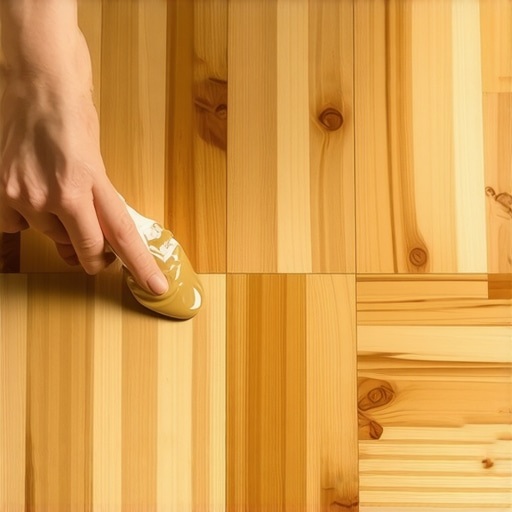
A five minute wax fix involves using a specialized floor repair wax stick to fill the void and seal the wood fibers. You must clean the splintered area, select a color-matched wax, rub it into the grain fracture, and buff the surface to a level finish. This prevents moisture intrusion and stops the splinter from catching on footwear or cleaning tools. This is not a permanent structural fix, but it is the best way to stop the bleeding. I always keep a kit of hard waxes in my truck. You don’t want the cheap crayons from the grocery store. You want professional-grade polymer waxes that have a high melting point. The process is simple but requires a steady hand. First, take a sharp utility knife and carefully trim away any loose fibers that are standing up. Do not pull them. If you pull them, you will create a deeper crater. Once the area is flush, take your wax stick and rub it across the grain. The friction of the rubbing will soften the wax and push it into the cracks. For deeper gouges, you might need a butane wax heater to melt the wax into the hole. Once the wax is in place, use a plastic scraper or the edge of a credit card to remove the excess. Do not use metal. You will scratch the finish. Finally, buff the area with a soft microfiber cloth. The wax fills the cellular gaps and creates a bridge between the separated fibers. This stops the mechanical action of the splinter growing. It is a bandage for your floor. But remember, if the reason for the splinter is a bouncy subfloor, the wax will eventually crack out. You are treating the symptom, not the disease.
The tool checklist for floor maintenance
- Digital Moisture Meter: Used to check the moisture content of both the wood and the subfloor before any repair or installation.
- Hard Wax Repair Kit: A variety of color-matched wax sticks for filling splinters and deep scratches.
- Plastic Leveling Tool: To ensure the wax is flush with the floor surface without damaging the surrounding finish.
- Non-marring Rubber Mallet: For gently tapping boards back into place if they have gapped.
- pH-Neutral Floor Cleaner: To prevent the breakdown of the finish which leads to fiber exposure.
Why your vacuum cleaner is a weapon
Mechanical abrasion from vacuum beater bars is a leading cause of surface splintering in aged hardwood floors. The high-speed rotation of the bristles can catch on micro-fractures in the wood grain, pulling up fibers and turning a small crack into a major splinter. For proper hardwood floor care, use a vacuum with a hard-floor setting that disables the brush roll. I have seen beautiful site-finished floors ruined in six months because the homeowner used a vacuum designed for thick carpet. Those stiff bristles are like sandpaper. They wear down the polyurethane layer until the raw wood is exposed. Once the wood is raw, it absorbs moisture from the air and from your mop. This causes the wood to swell locally, which puts pressure on the grain. This is how you get those long, nasty splinters that seem to come out of nowhere. It is also why I tell people to stay away from steam mops. Steam is the enemy of wood. It forces moisture deep into the cells under pressure. It is essentially a pressure cooker for your floor. If you want your floor to last, keep it dry and keep it clean with a damp microfiber. Nothing more. If you see the finish starting to look dull, that is your warning. The finish is the skin of the floor. When the skin is gone, the wood starts to die. You wouldn’t leave a wound open on your own skin, so don’t leave it open on your floor. Use the wax fix immediately to seal those gaps before they become structural problems.
“Wood moves. It is the installer’s job to tell it where to go and the homeowner’s job to keep it where it stays.” – Master Flooring Axiom
The truth about builder grade shortcuts
The reason so many new homes have splintering floors within three years is the obsession with speed over quality. Builders often install the flooring before the house is fully acclimated. They pull the wood off a truck, nail it down, and leave. But the wood needs to sit in the space for at least five to seven days to reach an equilibrium moisture content. If the wood is too wet when it is nailed down, it will shrink and create gaps. If it is too dry, it will swell and buckle. Both scenarios lead to splintering. They also use the cheapest fasteners possible. A flooring staple that is not driven at the correct angle or depth will cause the wood to crack at the tongue. You won’t see it during the walk-through, but after a year of walking on it, that crack migrates to the surface. Now you have a splinter. This is why I prefer a thick engineered floor in many modern homes. An engineered floor has a plywood core that is cross-laminated. This means the layers are glued with the grain running in opposite directions. It fights itself, which makes it much more stable than a solid piece of wood. It is less likely to splinter because it simply does not move as much. Whether you have solid or engineered, the principles are the same. Respect the moisture, respect the subfloor, and keep your wax kit handy for those small emergencies. A floor is a legacy. If you take care of the physics, the aesthetics will take care of themselves.