
The 1/8 inch that ruins everything
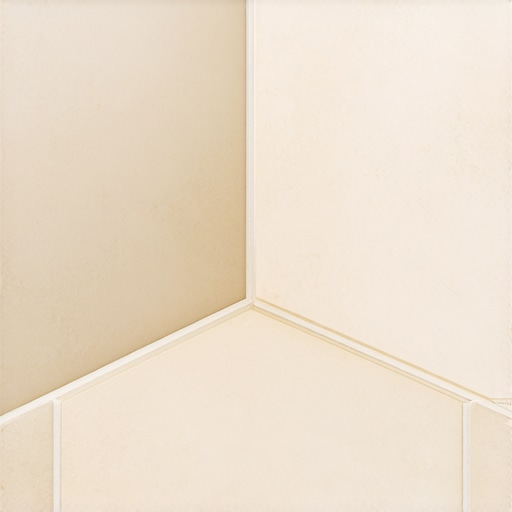
Grout cracks in shower corners happen because of a fundamental violation of physics regarding the change of plane. Rigid cementitious materials cannot withstand the independent movement of two different wall planes or the intersection of a wall and a floor. When these surfaces shift due to thermal expansion or structural settling, the grout line undergoes tensile stress it was never designed to handle, leading to hairline fractures and eventual water infiltration. This failure is a direct result of ignoring the TCNA Handbook recommendations for movement joints.
I spent three days grinding concrete on a job last month just so the floor wouldn’t click like a castanet, but the shower was the real nightmare. I walked into a master suite where the homeowner had spent forty thousand dollars on Carrara marble. The tile was exquisite, but every single vertical corner and the transition to the pan was a jagged mess of crumbling grout. The installer had packed those joints tight with sanded grout, thinking it would look better. Within six months, the house settled by less than a sixteenth of an inch. That was enough. The rigid grout shattered like glass because it had no room to breathe. This is the reality of residential construction. Houses are living, moving organisms of wood and stone.
The ghost in the expansion gap
Expansion gaps are the invisible lungs of a functional flooring or tiling system that prevent structural failure. Just as a hardwood floor requires a perimeter gap to accommodate seasonal humidity shifts, a shower requires flexible joints at every internal corner. Without this gap, the pressure from expanding substrates has nowhere to go but into the tile itself. This often results in tenting, where tiles pop off the wall, or the much more common issue of grout disintegration at the corners.
“A floor is only as good as the subfloor beneath it; deflection is the enemy of every joint.” – Master Flooring Axiom
Consider the molecular reality of a wall stud. In the winter, your HVAC system pulls moisture out of the air. The wood studs behind your cement board shrink. In the summer, the humidity rises and the wood swells. While your tile is relatively stable, the skeleton it sits on is constantly pulsing. If you have used a rigid grout in the corner, you have effectively tried to weld two moving parts together with a brittle adhesive. It will fail every single time. This is why we see similar issues in laminate and hardwood floors. If you pin a laminate floor against a wall without a gap, the boards will buckle in the center of the room. In a shower, the ‘buckle’ happens at the grout line.
Why your subfloor is lying to you
Subfloor deflection and substrate movement are the primary culprits behind the cracks you see in your grout lines. Even if your tile feels solid underfoot, the microscopic bending of the joists creates a leverage effect that is magnified at the vertical corners of the shower. If the subfloor has more than L/360 deflection, the entire assembly is at risk of premature failure. This is especially true when transitioning from a rigid tile floor to a flexible wall system.
| Material Type | Elasticity Rating | Recommended Use | Thermal Expansion Rate |
|---|---|---|---|
| Sanded Grout | Very Low | Flat surfaces only | Minimal |
| Epoxy Grout | Medium | High-traffic areas | Low |
| 100% Silicone | Very High | Change of plane joints | High |
| Acrylic Caulk | Low-Medium | Dry areas only | Moderate |
The chemistry of the bond is where most DIY enthusiasts and cut-rate contractors fail. Standard grout is a mixture of Portland cement and graded sand. When it cures, it forms a crystalline lattice. This lattice is strong in compression but weak in tension. If you pull on it, it snaps. Silicone, on the other hand, is a polymer chain that can stretch up to 400 percent of its original size. When the house moves, the silicone stretches. When the house settles back, the silicone compresses. It is a dynamic seal rather than a static one.
The chemical reality of silicone vs caulk
Silicone is the only acceptable material for a shower corner because it provides a waterproof and flexible barrier. Many people mistakenly use painters caulk or siliconized acrylic, which lacks the long term elasticity and mold resistance required for a wet environment. True 100 percent silicone does not shrink as it cures, ensuring that the seal remains tight against the tile edges for years regardless of the moisture levels in the room.
- Remove all existing grout from the corner using a carbide-tipped rake.
- Vacuum the joints to remove all dust and debris that could break the bond.
- Clean the tile edges with denatured alcohol to ensure a sterile surface.
- Apply a high-quality 100% silicone sealant that matches your grout color.
- Tool the joint with a soapy finger or a profiling tool to create a concave bead.
When you look at the chemistry of these materials, the difference is clear. Acrylic caulks are water-based. As the water evaporates, the bead shrinks. This creates tension on the bond line before the house even has a chance to move. Silicone cures through a chemical reaction with moisture in the air. It maintains its mass and volume. Furthermore, silicone is inorganic. Mold and mildew have a much harder time finding a foothold on silicone compared to the porous surface of cement grout or the organic binders in cheap caulk. If you want a shower that stays clean and intact, stop treating the corners like they are part of the wall and start treating them like a mechanical joint.
“The Tile Council of North America requires a movement joint at every change of plane and every 20 to 25 feet in interior installations.” – TCNA Standard EJ171
The swampy humidity of Houston vs the dry heat of Phoenix
Regional climate plays a massive role in how your shower behaves. In a high-humidity region like Houston, the moisture levels in your home’s framing are naturally higher. This leads to more significant swelling during the summer months. Conversely, in the dry heat of Phoenix, the wood can become brittle and shrink significantly, opening up gaps that were never there during the initial construction. This is exactly why we see hardwood floors gap in the winter and cupping in the summer. A shower is a micro-climate within your home. Even if you live in a desert, the interior of your shower is a tropical rainforest for twenty minutes every morning. The expansion and contraction cycles are accelerated, making the corner joint the most vulnerable point in the entire bathroom.
The myth of waterproof grout
There is no such thing as truly waterproof cementitious grout. All cement-based grouts are porous and will absorb a certain percentage of water through capillary action. This moisture eventually reaches the substrate, and if that substrate is wood or standard drywall, it will rot. The crack in your corner is not just an eyesore; it is a direct pathway for water to bypass your tile and destroy your home’s structure. This is why the underlying waterproofing membrane, such as Kerdi or a liquid-applied guard, is the most important part of the build. But even the best membrane cannot protect a corner that is constantly being pried open by shifting walls. You need the flexibility of a movement joint to keep the water on the surface of the tile where it can be directed toward the drain. If you see a crack, you are already losing the battle against rot.
Maintenance and the lifecycle of a shower
You have to understand that a shower is a machine. Like any machine, it requires maintenance. You would not expect the tires on your car to last forever, and you should not expect a corner seal to be permanent. However, using the correct materials can extend that lifecycle from months to decades. If you use a quality silicone, you are looking at a ten to fifteen-year lifespan. If you use grout, you are lucky to get through the first winter. The same logic applies to your other flooring. Hardwood floors need to be refinished when the polyurethane wears down. Laminate floors need to be protected from standing water because their MDF cores will swell. Every material has a weakness. The weakness of tile is its rigidity. By introducing a flexible joint in the corners, you are compensating for that weakness and allowing the system to perform as intended. Do not let a small detail like a corner joint ruin a high-end installation. Take the time to do it right, remove the grout, and put in the silicone. Your subfloor, your framing, and your peace of mind will thank you.