
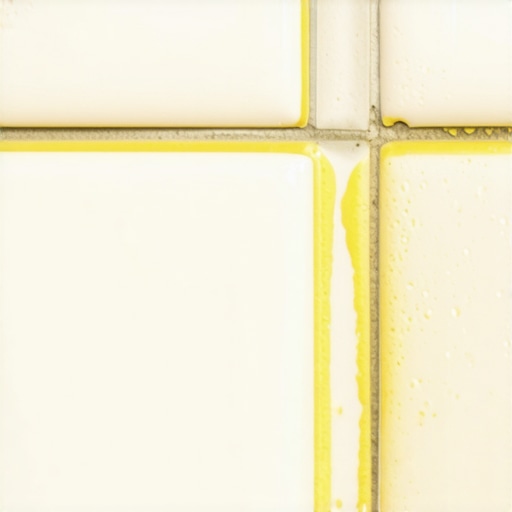
I spent three days grinding concrete on a job last month just so the floor wouldn’t click like a castanet. That job was supposed to be a simple laminate install, but the subfloor was a mountain range of peaks and valleys. It is the same story with showers. Most guys skip the prep. They think a fat bead of caulk will hide a bad waterproofing job. It won’t. I once walked into a master bathroom where the homeowner was complaining about a persistent smell of damp earth. They had spent forty thousand dollars on Italian marble, but the installer used a cheap, consumer grade sealant from a discount bucket. Not only was the sealant the color of a school bus, but it was peeling away in long, slimy strips because the moisture was attacking the bond from the back side. You see, the yellowing you see in your shower isn’t just a surface stain. It is a chemical failure. It is the result of polymer oxidation and the absorption of organic compounds into the molecular matrix of the sealant itself. If you want a floor or a shower that lasts, you have to respect the chemistry. You have to respect the physics of moisture vapor transmission. Most people think a shower is a waterproof box. It isn’t. It is a dynamic environment where heat, moisture, and cleaning chemicals are constantly trying to tear your materials apart at the atomic level.
The chemical tragedy of polymer oxidation
Shower sealants turn yellow because of a process called oxidation where the polymers in the sealant react with light and oxygen. This degradation is often accelerated by the presence of organic contaminants like body oils, soap scum, and household cleaning agents that penetrate the porous surface of the bead. When we talk about sealants, we are really talking about long chains of molecules called polymers. In a high quality silicone, these chains are stable. But in cheap, latex based or acrylic hybrid sealants, these chains are vulnerable. The ultraviolet light from your bathroom window or even certain types of artificial lighting can kickstart a reaction that breaks these chains. This is why you see the color change. It is not just on the surface. If you were to cut that yellowed bead in half, you would see the discoloration goes all the way through. This is a sign that the structural integrity of the material is failing. As the polymers break down, the sealant becomes brittle. It loses its elasticity. In a shower, where the walls are constantly expanding and contracting due to temperature changes, a brittle sealant is a useless sealant. It will crack. It will leak. It will fail. You are left with a yellowed mess that serves as a breeding ground for anaerobic bacteria.
“A floor is only as good as the subfloor beneath it; deflection is the enemy of every joint.” – Master Flooring Axiom
The hidden influence of subfloor moisture and vapor drive
Subfloor moisture levels and vapor drive are the primary silent killers of shower sealant clarity and adhesion. When water gets trapped behind the tile or under the floor, it creates a high humidity environment that forces moisture through the sealant bead from the inside out. Most installers don’t understand the concept of vapor drive. They think that because they put a membrane down, everything is fine. But moisture is persistent. If you have a concrete slab that hasn’t been properly tested with a calcium chloride test or an in-situ probe, that slab is likely releasing water vapor. This vapor travels upward. When it hits the back of your sealant bead, it carries minerals and salts with it. This is known as efflorescence, but in the context of sealants, it contributes to the yellowing. The moisture gets trapped against the silicone. Since most silicones are somewhat gas permeable, the water vapor tries to move through it. This creates a permanent damp state at the bond line. This is where the mold starts. This is where the yellowing starts. I have seen hardwood floors cup and buckle because of the same exact lack of respect for subfloor moisture. You cannot fight physics. You have to manage it.
| Sealant Type | Composition | Yellowing Resistance | Shore A Hardness |
|---|---|---|---|
| 100 Percent Silicone | Polydimethylsiloxane | High | 25 to 30 |
| Siliconized Acrylic | Latex Hybrid | Low | 40 to 50 |
| Polyurethane | Urethane Linkages | Moderate | 35 to 45 |
| Modified Silane | Polyether Polyurethane | High | 30 to 40 |
How cleaning products accelerate molecular decay
Cleaning products containing bleach or harsh acids accelerate the yellowing of shower sealants by stripping away UV stabilizers and causing chemical burns on the surface of the polymer. Frequent use of abrasive cleaners creates microscopic scratches that trap organic matter and lead to permanent staining. You think you are cleaning your shower, but you are actually killing it. Every time you spray a high concentration of bleach on your sealant, you are inducing a chemical stress. The bleach reacts with the pigments and the binders in the caulk. It can actually leach out the plasticizers that keep the sealant flexible. Once those plasticizers are gone, the sealant shrinks. It pulls away from the tile. It turns that sickly yellow color that no amount of scrubbing will fix. I always tell my clients to use pH neutral cleaners. If you treat your shower like a laboratory, it will look like one. If you treat it like a car wash, it will fall apart in a year. The same applies to hardwood floors. People want to use steam mops on their wood. It is madness. You are injecting high pressure vapor into a natural cell structure. You are asking for the finish to delaminate. In the shower, you are asking for the sealant to oxidize and fail. It is the same lack of understanding of material science.
The silent failure of the 100 percent silicone promise
The promise of 100 percent silicone is often a marketing lie because many products contain cheap fillers and extenders that are prone to yellowing. True high performance silicone must be a neutral cure formula to avoid the chemical reactions that cause discoloration in wet environments. Not all silicone is created equal. There is acetic cure and there is neutral cure. Acetic cure is that stuff that smells like vinegar. It is great for glass, but it is terrible for stone and certain types of grout. The acid can react with the minerals in your grout or your natural stone tiles. This reaction creates a byproduct that turns the edges of the sealant yellow or even green. Neutral cure silicone, on the other hand, releases an alcohol or another non-acidic substance during the curing process. It is more expensive. It is harder to find at the big box stores. But it is the only thing I will use. If you want to avoid the yellowing, you have to look for the high solids content. Cheap tubes are filled with oils and extenders to make them cheaper to produce. Those oils are what turn yellow. It is like the difference between a solid oak floor and a piece of printed paper on a fiberboard core. One is a lifetime product. The other is a temporary solution.
Checklist for a permanent shower seal
- Ensure the joint is completely dry and free of old residue using a heat gun and scraper
- Clean the surfaces with 99 percent isopropyl alcohol to remove all oils and dust
- Use a bond breaker tape in the back of deep joints to allow for two point adhesion
- Select a high quality neutral cure silicone with no added oil fillers
- Apply the bead in a continuous motion to avoid air pockets and overlapping seams
- Tool the joint with a dedicated tool instead of a wet finger to prevent saliva bacteria from entering the bead
The expansion gap that ruins everything
Movement in the subfloor or the wall studs causes the sealant joints to stretch beyond their capacity which leads to micro tears that hold water and turn yellow. Without a proper expansion gap and a flexible sealant the entire shower system is at risk of structural failure. A floor needs to breathe. A shower needs to move. If you butt your tile tight against the corner without a gap, something is going to break. Usually, it is the grout. Then some guy comes in and puts a thin layer of caulk over the cracked grout. This is a recipe for disaster. The caulk is too thin to handle the movement. It tears. Water gets into the tear. The water sits there. It becomes stagnant. It turns the sealant yellow from the inside. You need a full 1/8 inch gap at every change of plane. This gap allows the sealant to act like a gasket. It compresses and stretches. This is the same reason we leave a 1/2 inch gap at the perimeter of a hardwood floor. If you don’t give the wood room to move, it will lift your baseboards right off the wall. The physics of expansion are non negotiable. If you ignore the gap, you are inviting the yellowing and the mold to take over your bathroom.
“A floor is only as good as the subfloor beneath it; deflection is the enemy of every joint.” – Master Flooring Axiom
The regional climate factor in sealant longevity
In high humidity regions like Houston or the Pacific Northwest the constant moisture in the air slows the curing process and increases the risk of early contamination. Regional atmospheric conditions dictate the need for specialized fungicides and anti-yellowing agents in the sealant formula. If you are in a swampy environment, your shower never really dries out. The moisture is always there. This means the sealant bead is under constant attack. In these areas, the yellowing happens even faster. You might see it in four months instead of six. This is where the quality of the fungicides in the sealant becomes critical. Cheap sealants use fungicides that wash away after a few dozen showers. High end architectural grade sealants have fungicides that are chemically bonded to the polymer chain. They don’t wash away. They stay there and fight the organic growth that causes that yellow tint. It is like choosing the right species of wood for your climate. You don’t put solid cherry in a basement in Seattle. You don’t use cheap acrylic caulk in a high humidity master bath. You match the material to the environment or you prepare for failure. It is that simple. I have seen too many people try to save ten dollars on a tube of caulk only to have to pay me three thousand dollars to tear out their moldy tile and start over. Don’t be that person. Use the right chemistry. Respect the gap. Keep it dry.